
Tags
#Essentialism
Quotes: 10
Quotes tagged #Essentialism

Curating Life Through Loving, Necessary Subtraction
Babauta’s advice begins with a shift in identity: instead of being a passive consumer of obligations, you become a curator. A curator doesn’t merely acquire; they select, arrange, and protect what belongs.
Created on: 3/10/2026

Eliminating the Inessential for Time and Tranquility
Marcus Aurelius proposes a surprisingly practical path to peace: remove what isn’t essential. Rather than urging us to add better habits, he points to the calmer power of subtraction—speaking less, reacting less, doing l...
Created on: 3/9/2026

Mastery Through Subtraction, Not Endless Addition
The quote reframes mastery as an act of selection rather than accumulation. Instead of measuring progress by how much you pack into a day, it argues that excellence comes from choosing what deserves your limited attentio...
Created on: 2/5/2026

Eliminating the Non-Essentials to Live Wisely
Lin Yutang frames wisdom as an act of reduction rather than acquisition: life improves not only by adding skills, possessions, or status, but by removing what dilutes attention and meaning. In this view, clarity comes fr...
Created on: 1/28/2026
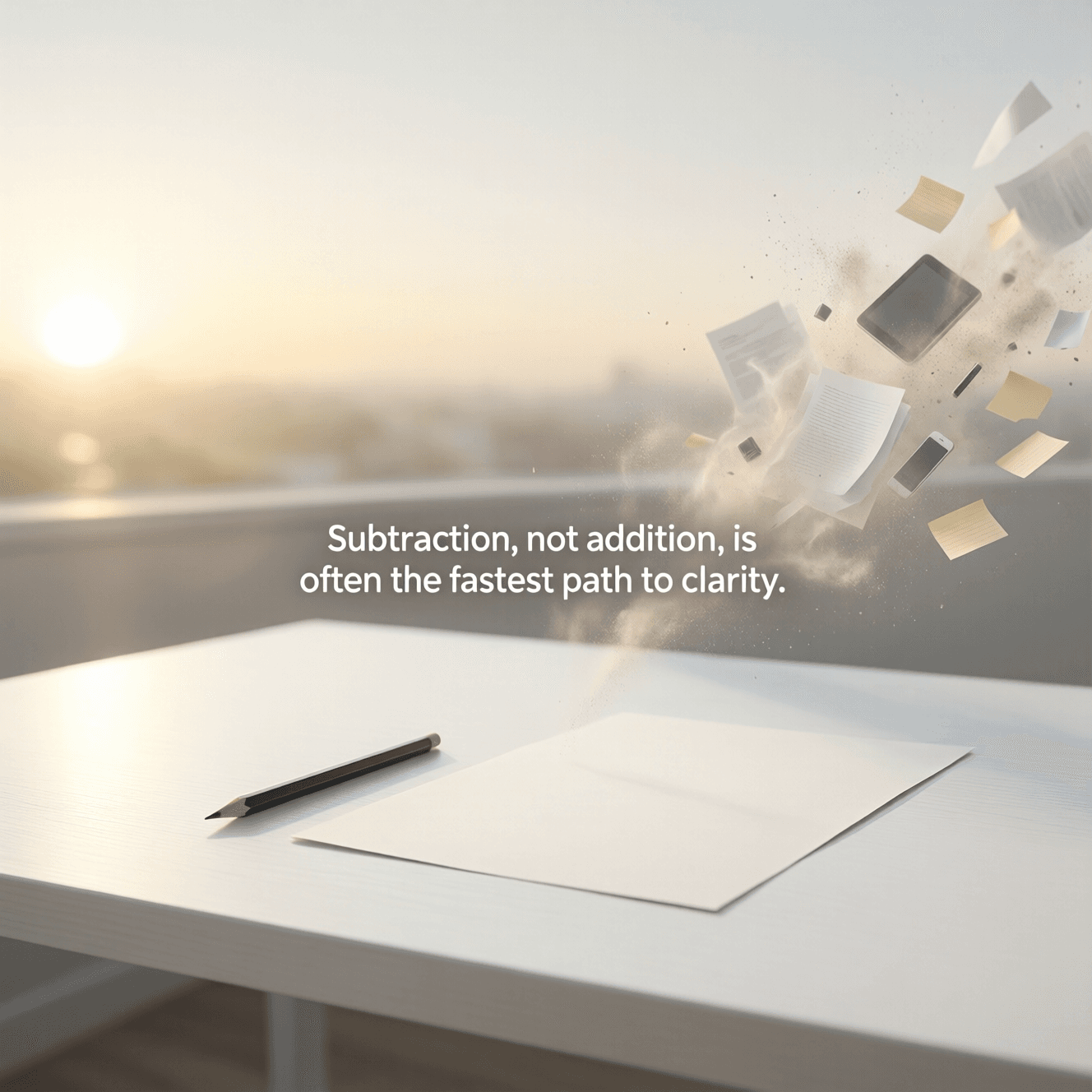
Clarity Often Arrives Through Thoughtful Subtraction
April Rinne’s line reframes clarity as an act of removal rather than accumulation. Instead of assuming confusion comes from missing information, it suggests the opposite: we often have too many options, too many prioriti...
Created on: 1/22/2026

Transformation Is Often More About Subtraction Than Addition — Marcus Buckingham
Buckingham suggests transformation is achieved by removing obstacles, distractions, or unnecessary elements rather than endlessly accumulating new ones. This is reminiscent of Michelangelo's famous assertion that he 'saw...
Created on: 5/2/2025
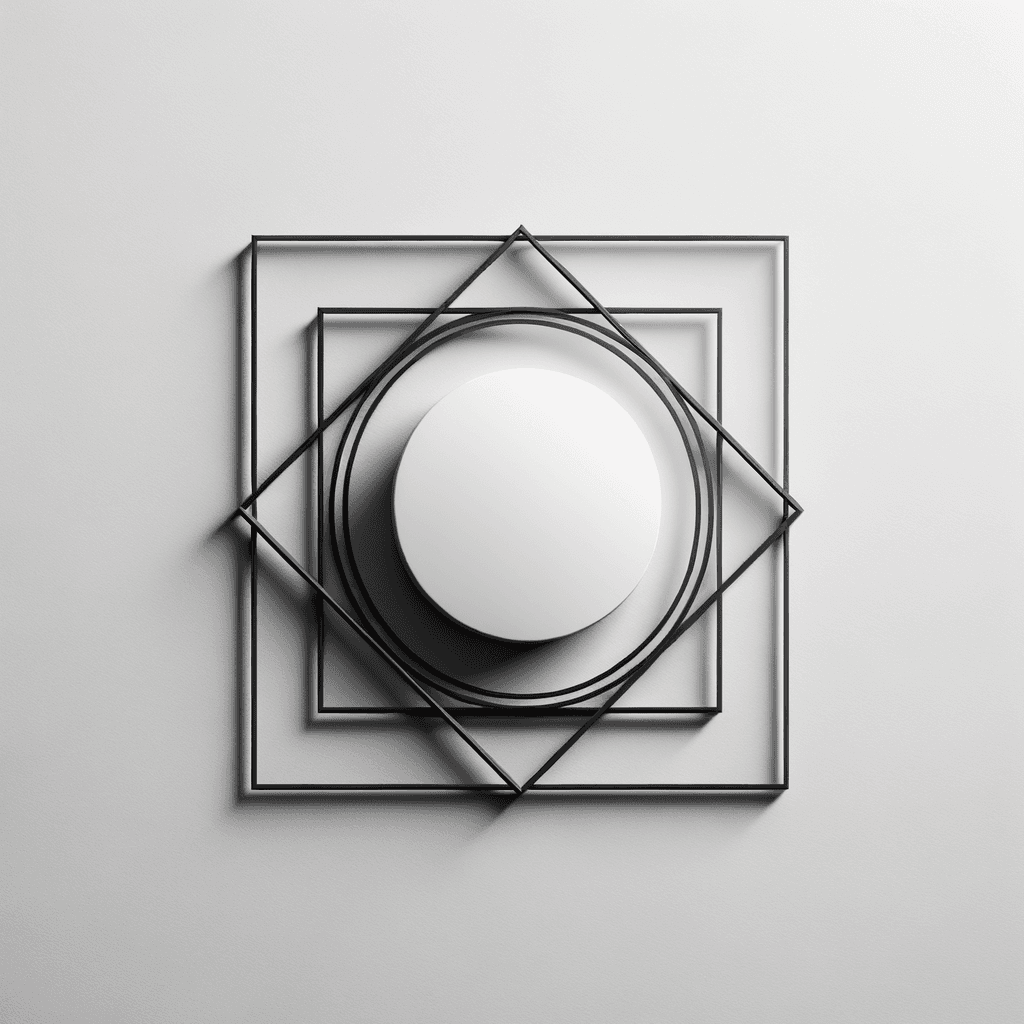
The Ability to Simplify: Eliminating the Unnecessary So the Necessary May Speak - Hans Hofmann
This quote highlights the value of focusing on what truly matters by removing distractions and superfluous elements. By getting rid of excess, the most important aspects become clearer and more prominent.
Created on: 11/11/2024