
Tags
#Home Sanctuary
Quotes: 4
Quotes tagged #Home Sanctuary
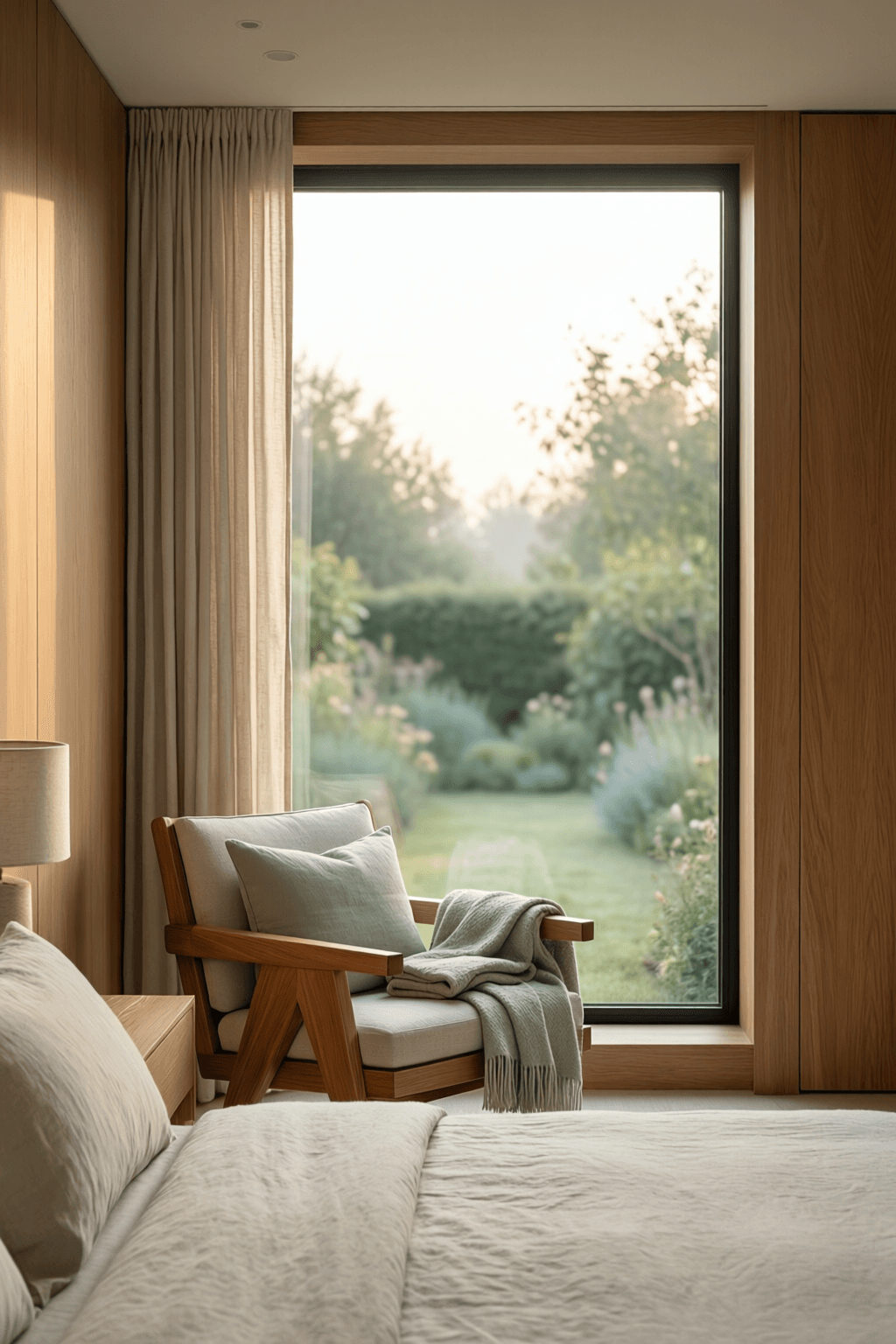
Home as Sanctuary, Not a Prison of Solitude
At its core, Nanea Hoffman’s line reframes home as more than a physical structure. Walls can protect, but they can also confine; the difference lies in whether a home restores the self or slowly disconnects it from the w...
Created on: 6/22/2026
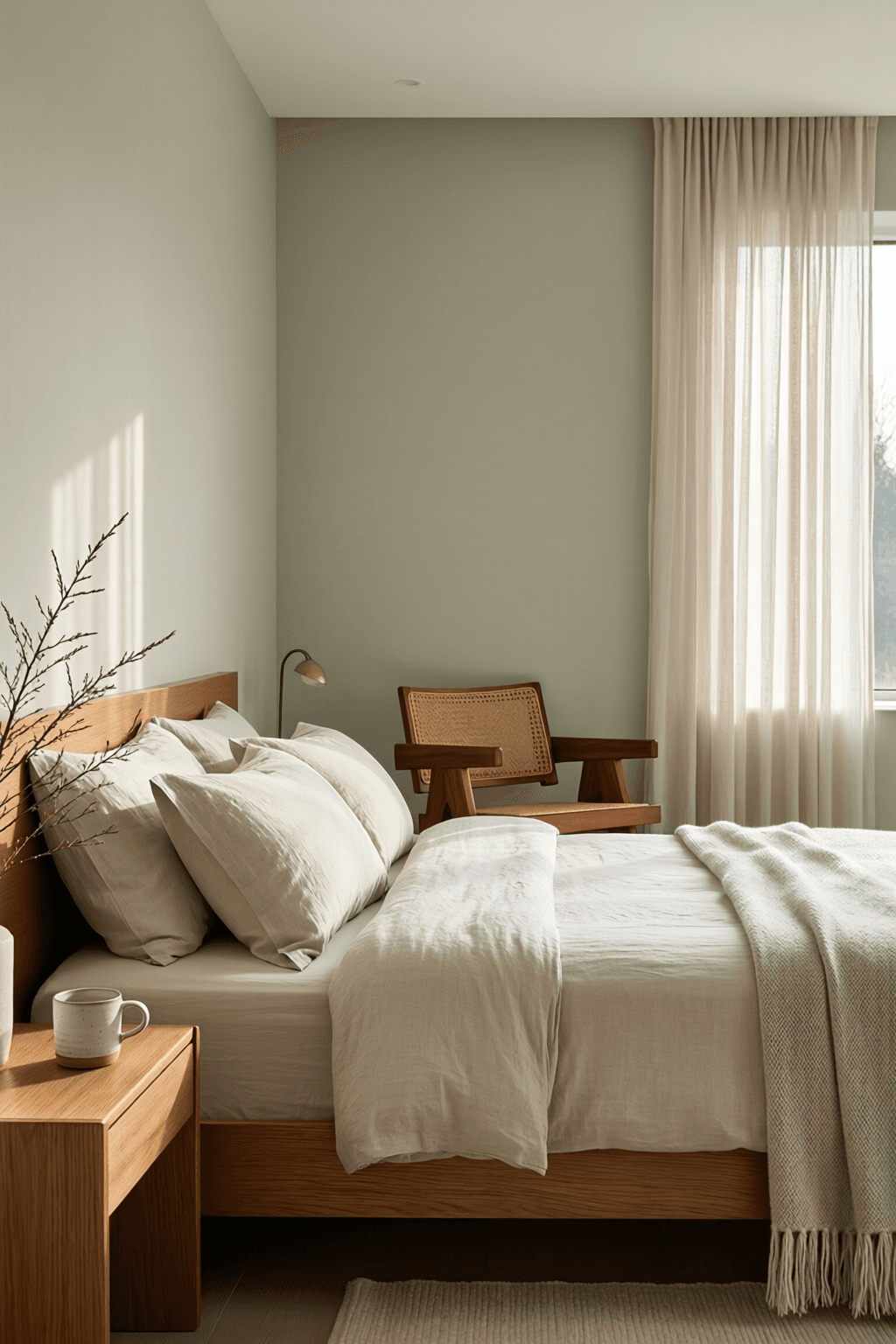
Home as Sanctuary from the World’s Noise
William Morris presents home not merely as a physical shelter, but as a moral and emotional refuge. At the heart of the quote lies a simple human need: the desire for one place where performance ends and authenticity beg...
Created on: 4/9/2026
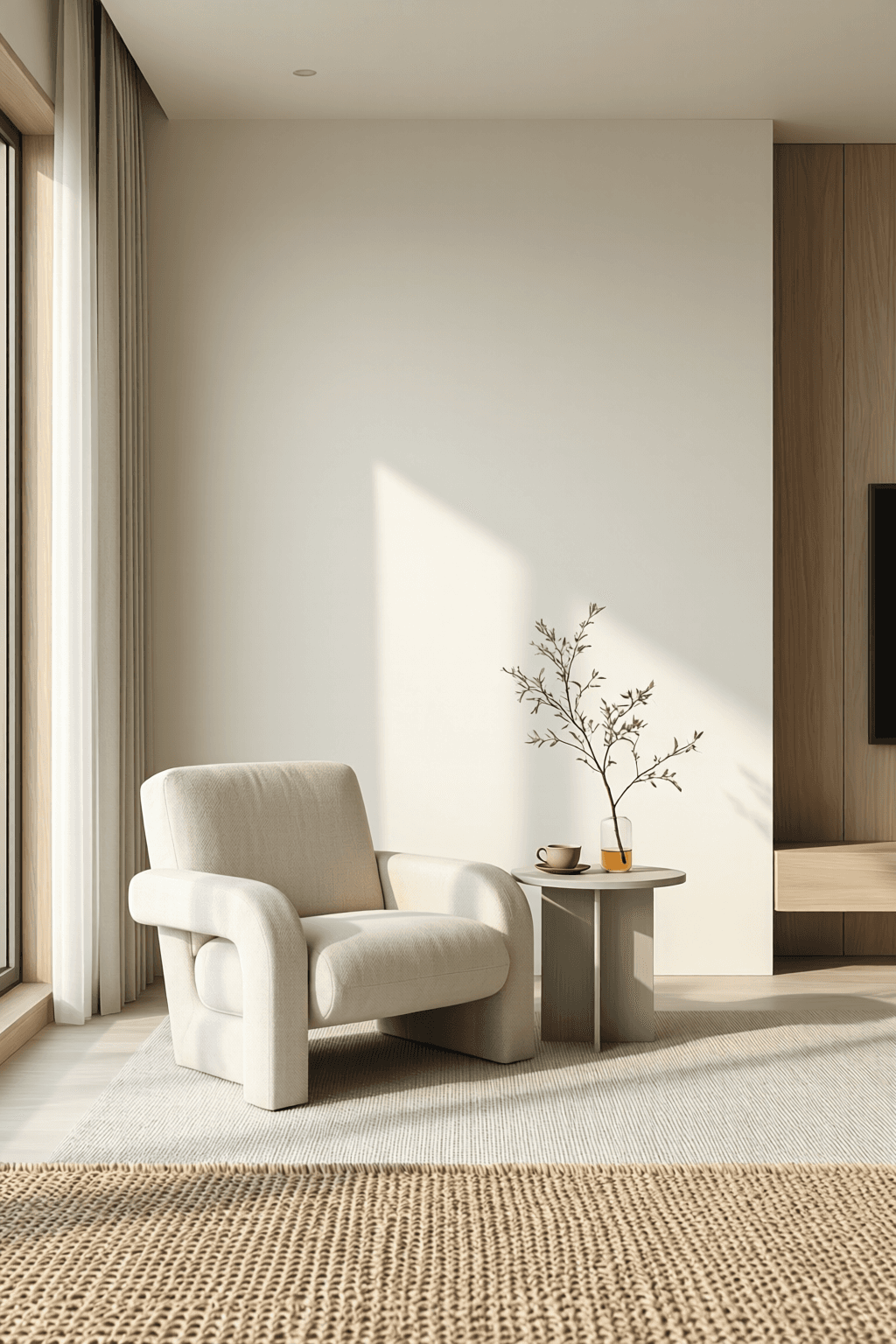
A Home That Counters the World’s Chaos
Elsie de Wolfe’s statement reframes the home as more than a shelter: it becomes an intentional remedy for the noise, haste, and unpredictability of public life. Rather than mirroring the world’s pressures, a well-made ho...
Created on: 3/26/2026
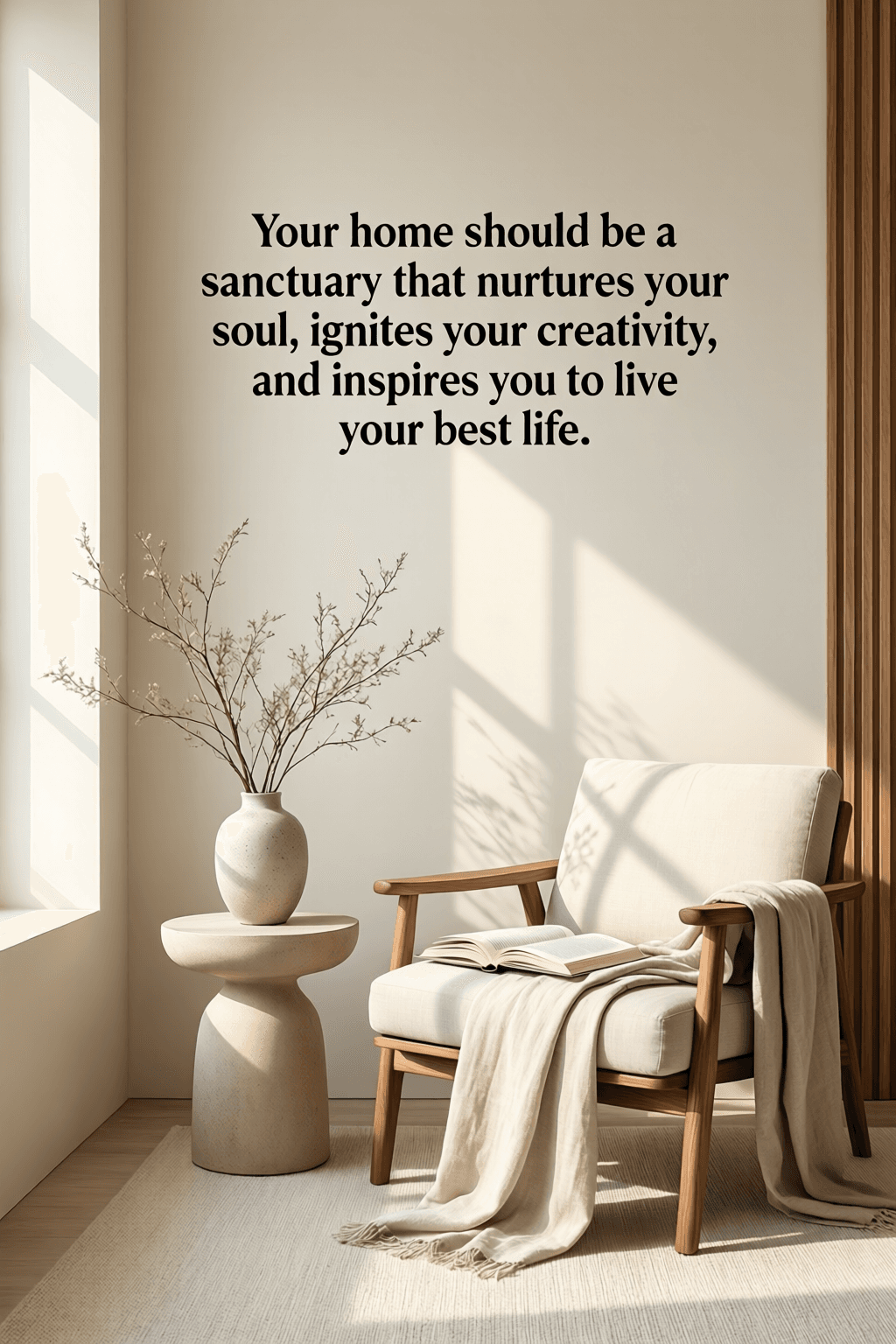
Creating a Home That Truly Nourishes Life
At first glance, Nate Berkus’s quote elevates the idea of home beyond walls, furniture, and utility. He frames it instead as a sanctuary—a place that actively restores the spirit rather than merely protecting the body.
Created on: 3/18/2026