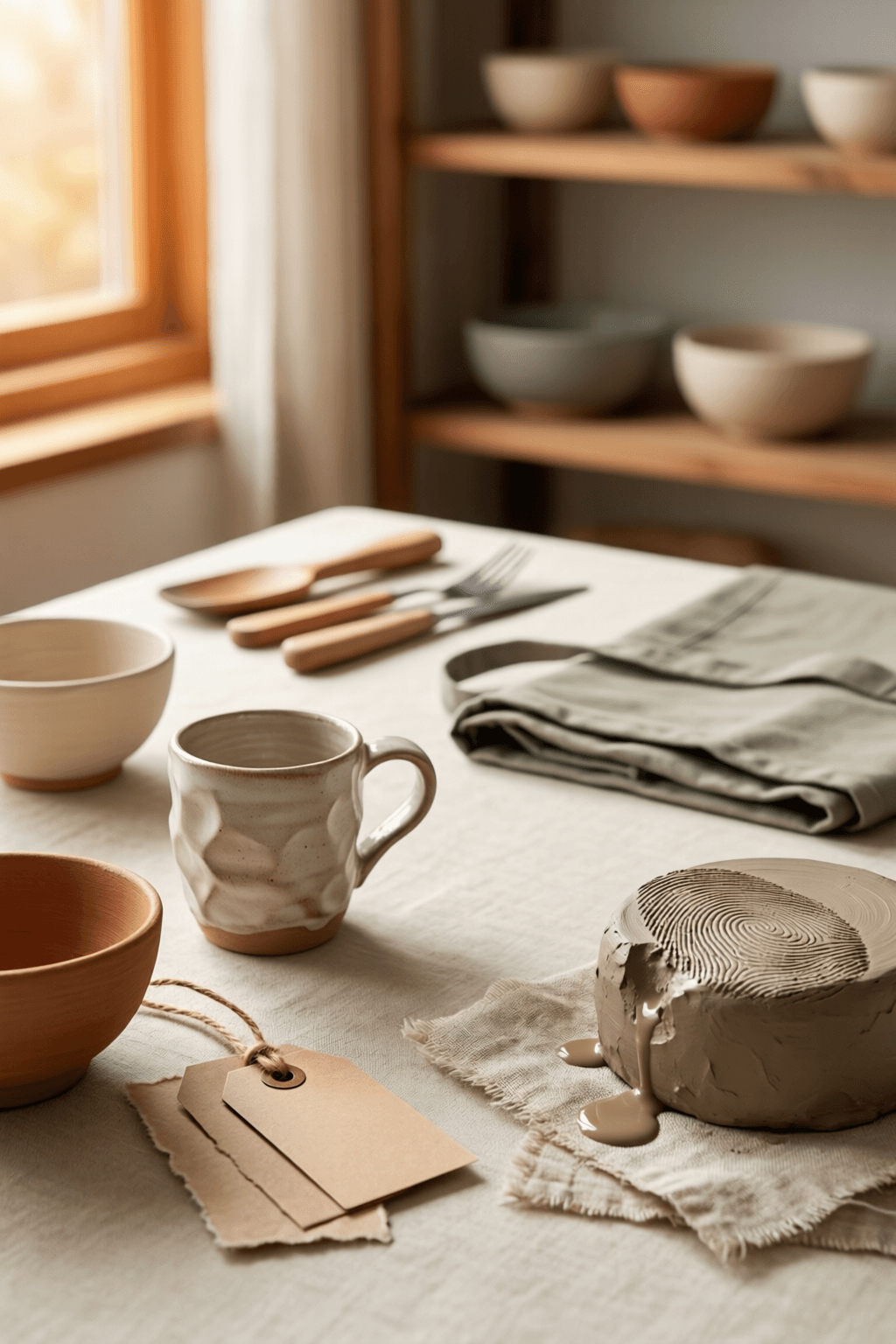
Seen more broadly, Matisse’s thought echoes traditions that have long celebrated irregular form. Japanese aesthetics, especially the idea of wabi-sabi described by thinkers such as Sen no Rikyū in the tea tradition, prize weathering, asymmetry, and incompleteness. In those contexts, beauty does not depend on perfection but on transience and authenticity.
Consequently, the quote belongs to a wider cultural conversation. It suggests that the slightly crooked bowl or uneven glaze is not merely acceptable; it is meaningful. Such objects remind us that beauty can be quiet, humble, and inseparable from the passing conditions under which real things are made. [...]