
Tags
#Inner Sanctuary
Quotes: 12
Quotes tagged #Inner Sanctuary
Refining the Self Against Outside Demands
At its core, bell hooks presents living not as a finished achievement but as a continuous act of shaping and reshaping the self. The phrase “constant process” suggests that identity, peace, and integrity are never perman...
Created on: 6/27/2026
Balancing Digital Openness With Inner Depth
At first glance, Julia Kristeva’s remark sets two kinds of space against each other: the internet’s horizontality and the soul’s verticality. By horizontality, she evokes the web’s sprawling, leveling structure, where vo...
Created on: 4/21/2026
Becoming Your Own Sanctuary Within
Nayyirah Waheed’s line distills a radical kind of safety: the idea that refuge is not primarily a place, but a relationship with oneself. A sanctuary is where you can lower your guard, where your inner life is not judged...
Created on: 2/11/2026
Finding Inner Stillness as a Personal Sanctuary
Hermann Hesse’s line begins with a quiet assurance: the sanctuary you seek is not something you must build, earn, or discover in distant places—it is already “within you.” By framing stillness as an inner location, he sh...
Created on: 2/3/2026
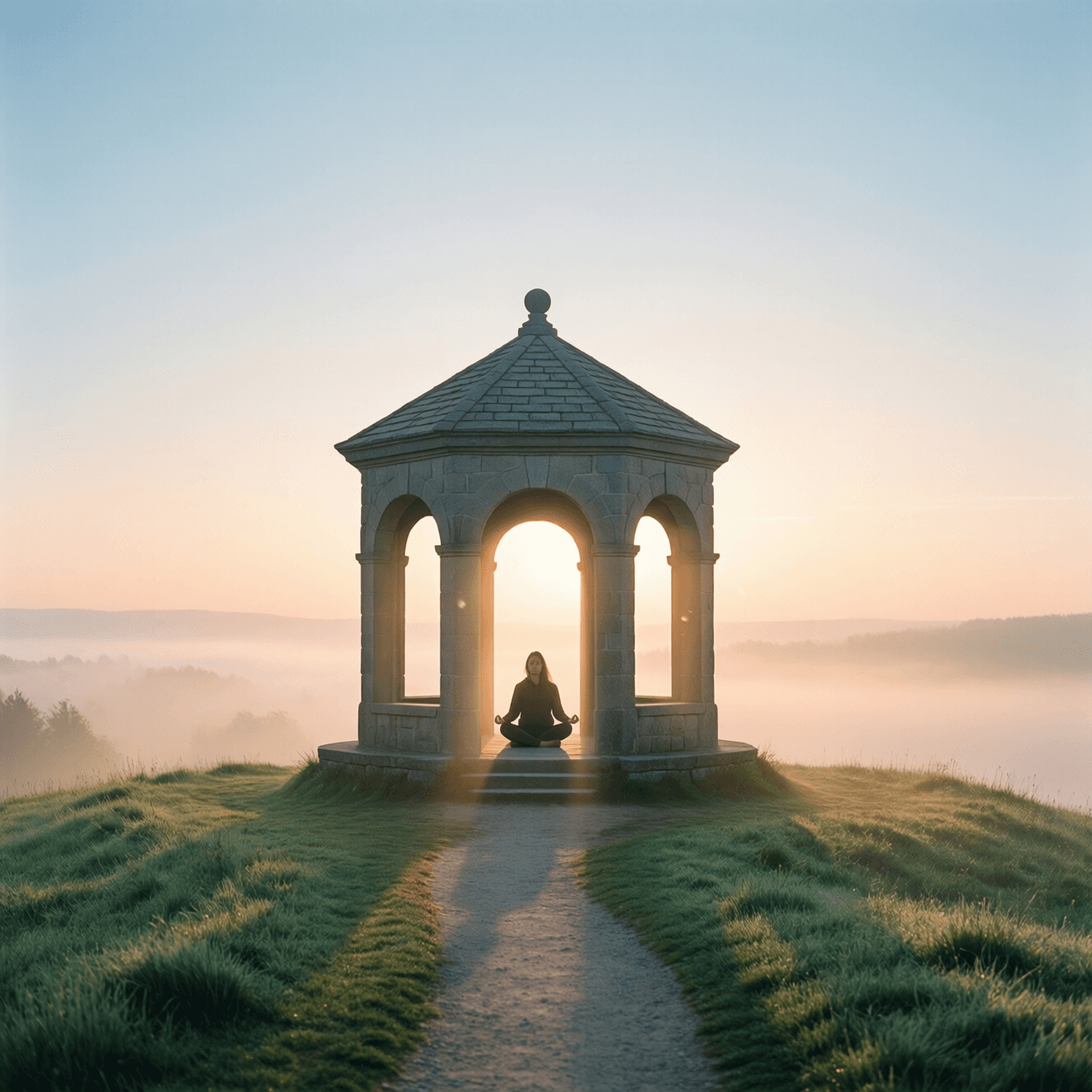
Finding an Inner Sanctuary of Lasting Stillness
Hermann Hesse suggests that peace is not primarily something to be found by rearranging external circumstances, but something already present—an interior “sanctuary” that can be entered at will. The phrase implies both i...
Created on: 1/31/2026
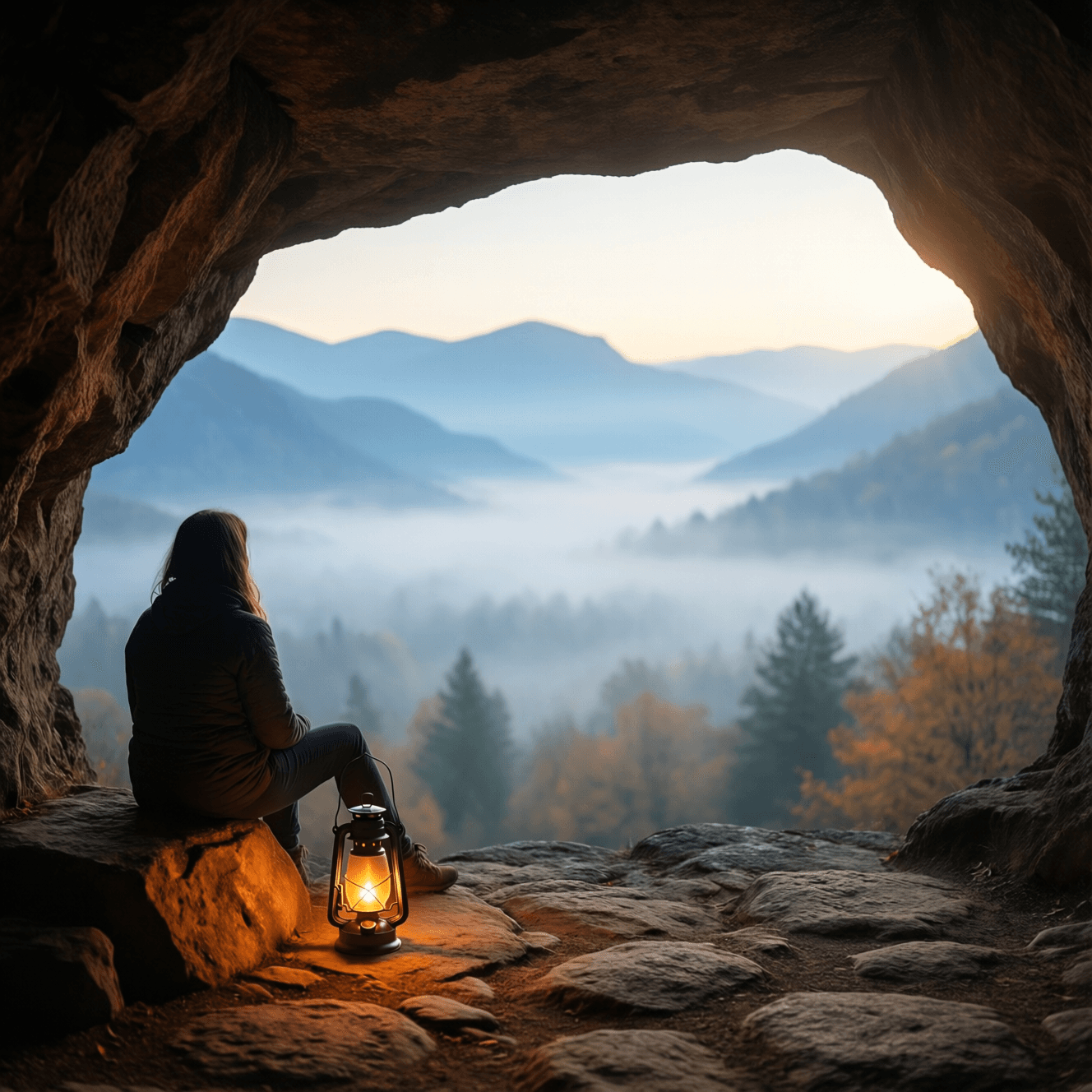
Finding Inner Stillness as a Personal Sanctuary
Hermann Hesse’s line begins with a simple but radical claim: safety is not only something we seek in places or people, but something we can access within ourselves. By framing stillness as a “sanctuary,” he suggests an i...
Created on: 1/25/2026
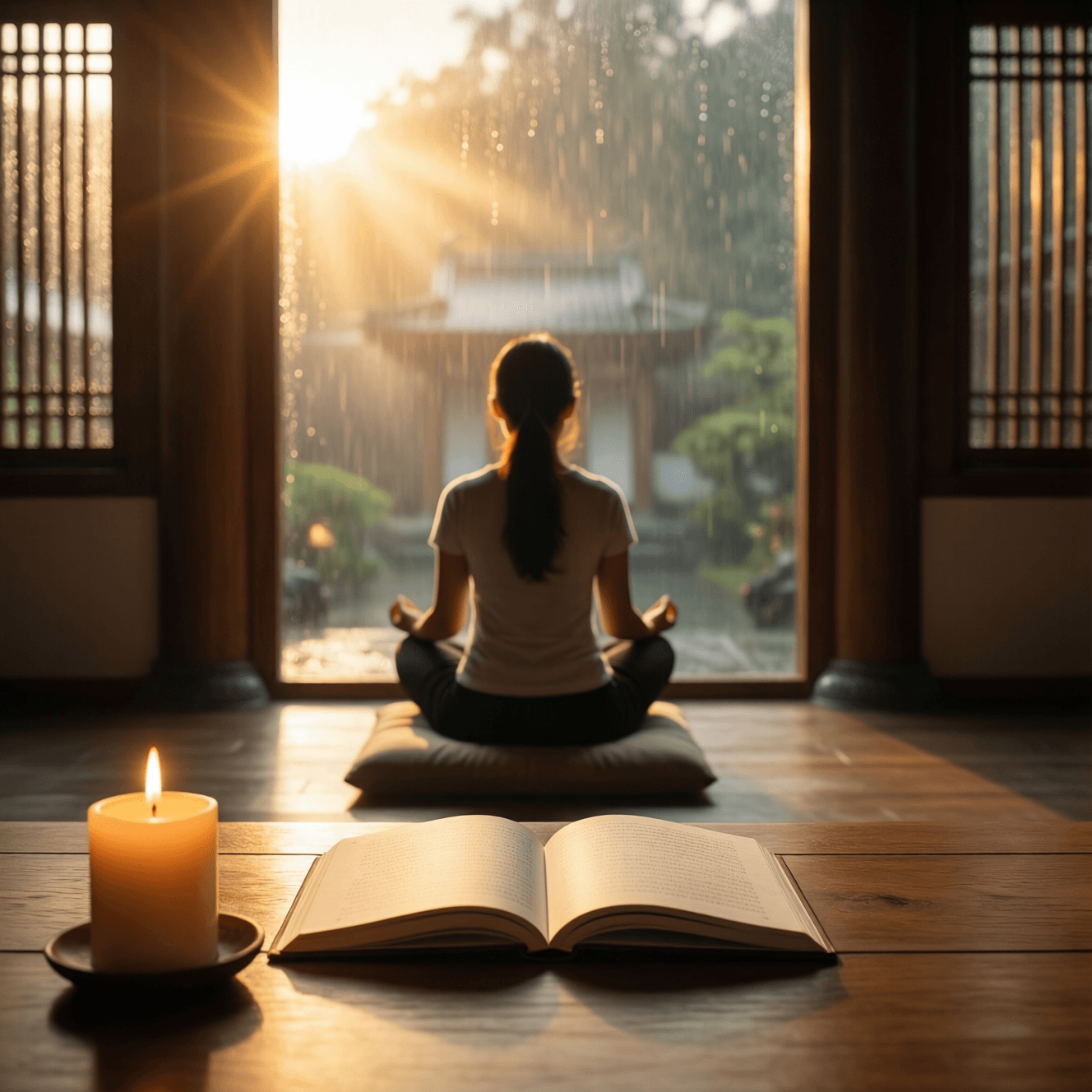
Guarding Attention as a Quiet Inner Sanctuary
The quote frames attention not as a casual resource but as a sanctuary—an inner place where meaning, intention, and selfhood gather. A sanctuary implies safety and reverence, suggesting that what we allow into awareness...
Created on: 1/23/2026