
Tags
#Moonlight
Quotes: 9
Quotes tagged #Moonlight
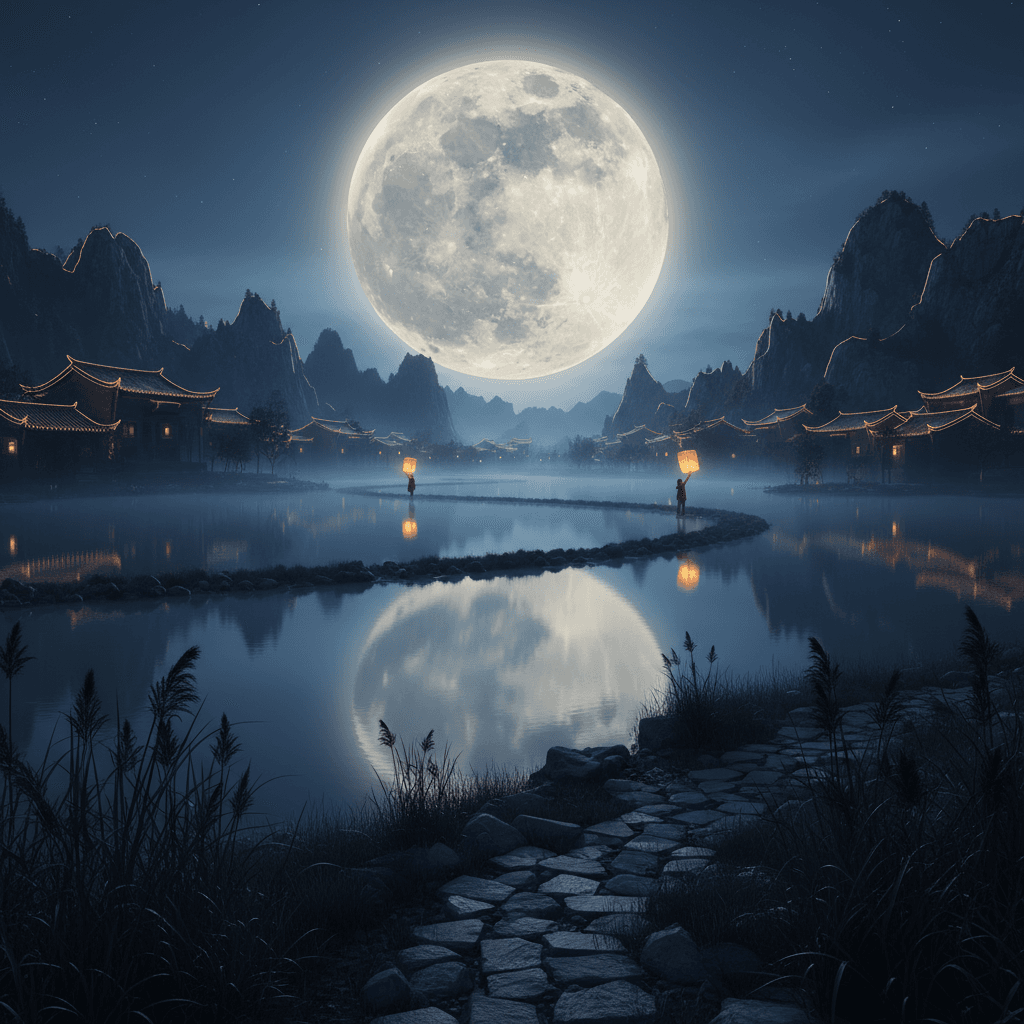
Sharing One Moon Across a Thousand Miles
On a Mid-Autumn night in 1076, Su Shi (1037–1101) looked up from Mizhou and composed the ci “Shui diao ge tou.” Missing his younger brother Su Zhe, he closed with the benediction, “May we all be blessed with longevity, a...
Created on: 10/6/2025
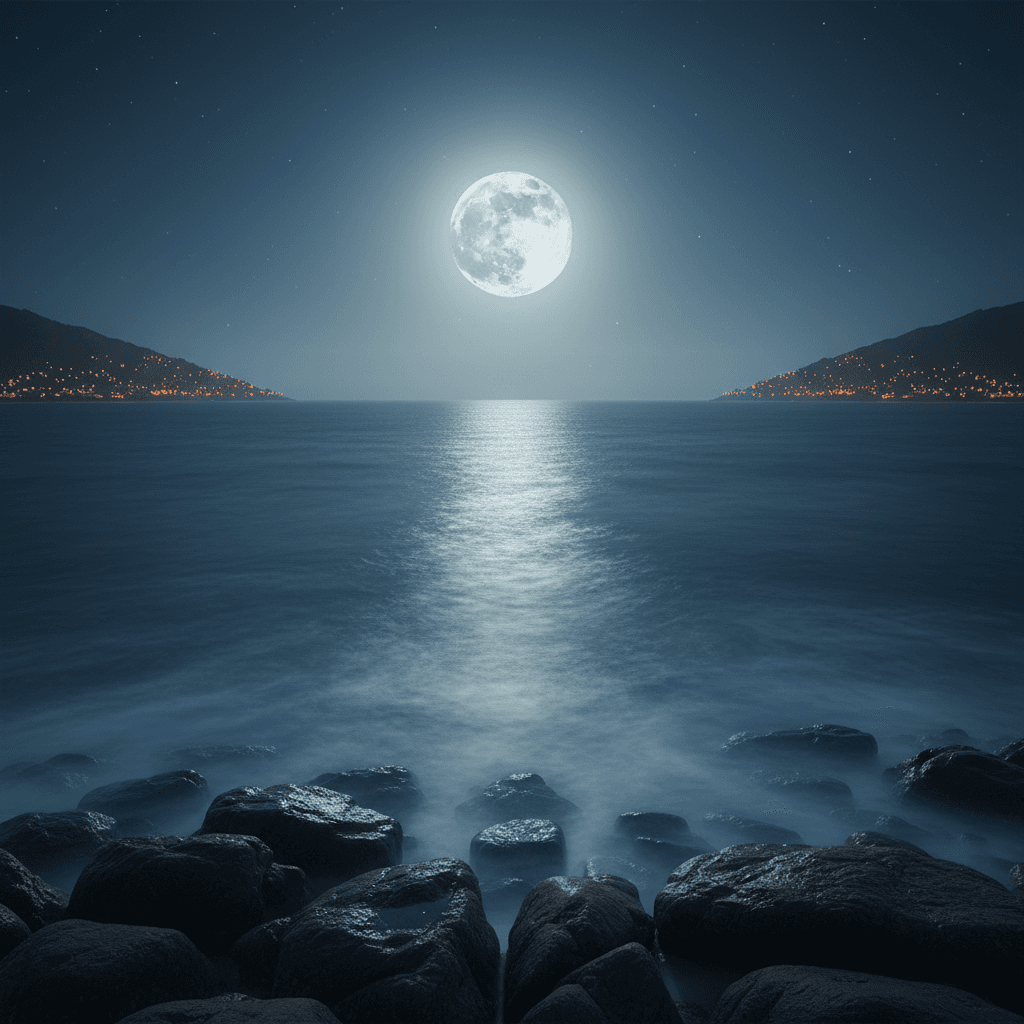
One Moon, Shared Moments Across Distance
Zhang Jiuling distills a paradox into a luminous image: the moon unites what the sea divides. In his “Looking at the Moon and Thinking of One Afar” (c.
Created on: 10/6/2025

Let Moonlight Lead: Lessons from Li Bai
The invitation to catch moonlight in your hands turns the intangible into a companion. It suggests that guidance need not be heavy or absolute; it can be a soft brightness that touches the skin and then slips through.
Created on: 9/7/2025

Under One Moon, Love Outlasts Distance
At the outset, Su Shi’s wish binds time, space, and affection into a single gesture: may we live long enough to keep sharing the same moon. Rather than lament distance, the lines convert it into a field of connection, wh...
Created on: 8/30/2025

When Light Invites, Desire Finds Its Feet
Achebe’s line balances tenderness and irony: when the world brightens, even those hemmed in by limits feel a pulse toward motion. The moon’s gentle light is not mere scenery; it is an enabling condition that awakens appe...
Created on: 8/12/2025

Moonlight Drowns Out All But the Brightest Stars - J.R.R. Tolkien
This quote suggests that in the presence of light or greatness (symbolized by moonlight), only those who are truly exceptional (the brightest stars) stand out. It highlights the idea that genuine brilliance shines throug...
Created on: 12/7/2024
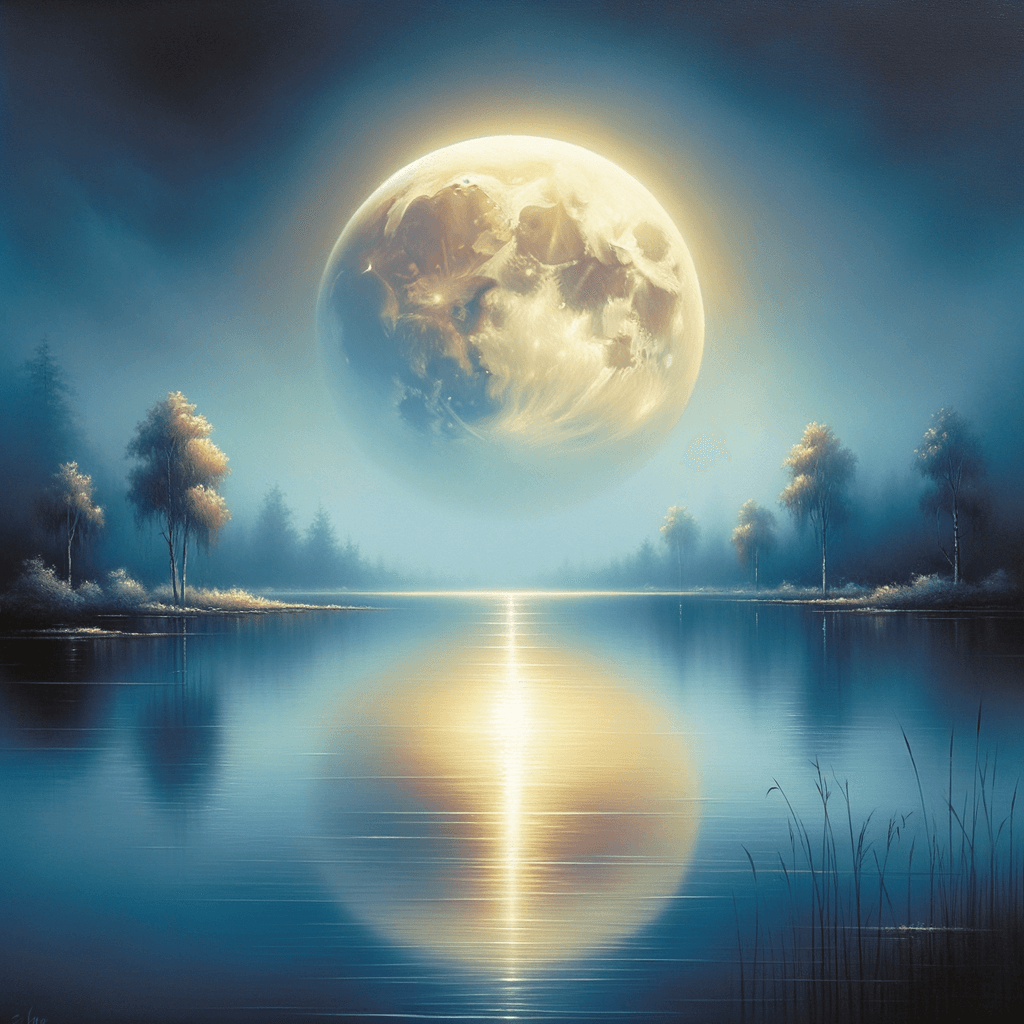
The Moon Over the Water Is a Poem in Silence
This phrase suggests that the moon's reflection on the water creates a serene and unspoken beauty, akin to a poem that communicates through its silence.
Created on: 6/9/2024