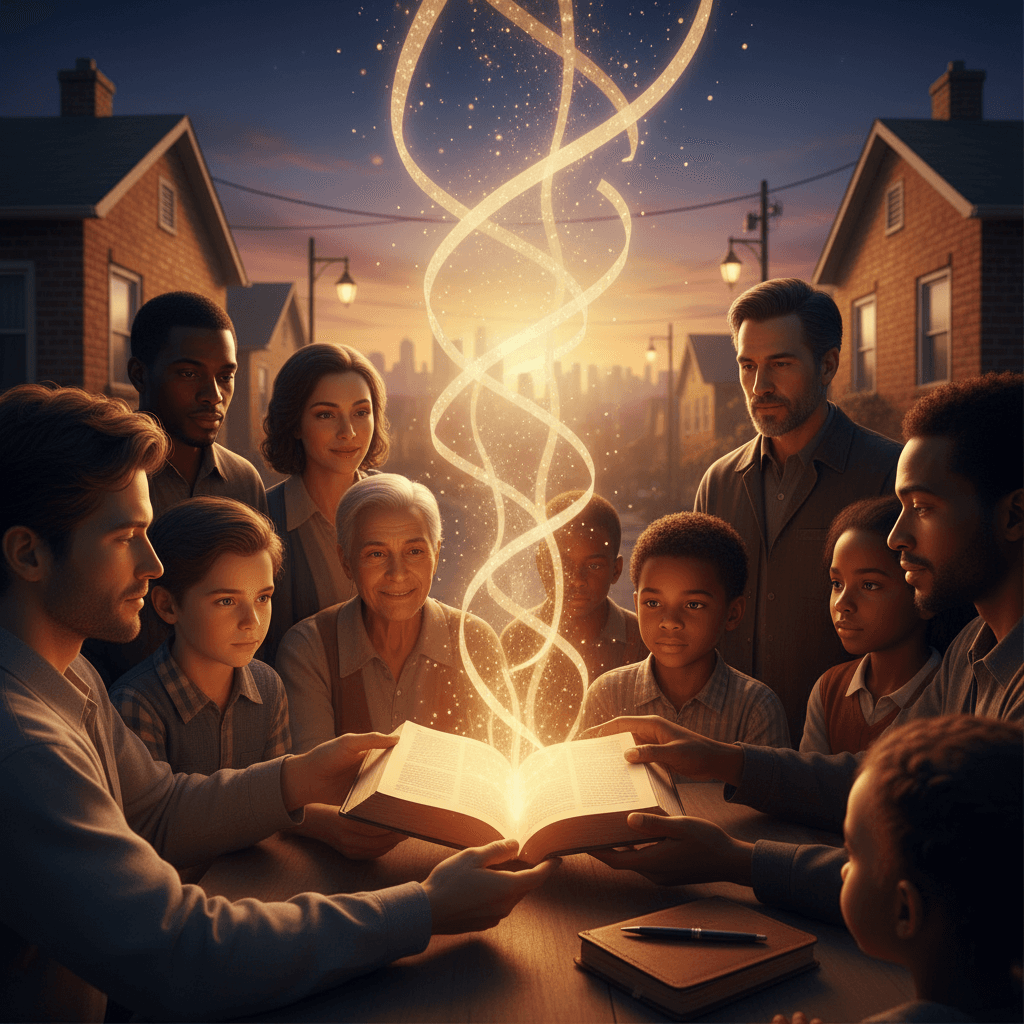
Ngũgĩ wa Thiong'o frames storytelling as more than entertainment, positioning it as a moral act with real consequences. To “lift the forgotten” implies that people can be erased not only by death or distance, but by silence—by never being named, heard, or centered in the stories a society tells about itself. From this starting point, narrative becomes a kind of public record, one that can either reinforce neglect or interrupt it with attention and care.
Because stories shape what feels normal and what seems possible, they quietly govern who is seen as fully human. In that sense, Ngũgĩ’s line asks writers and readers alike to treat imagination as responsibility, where art’s beauty is inseparable from the ethical question of whose lives are allowed to matter. [...]