
Tags
#Self Deprecation
Quotes: 3
Quotes tagged #Self Deprecation
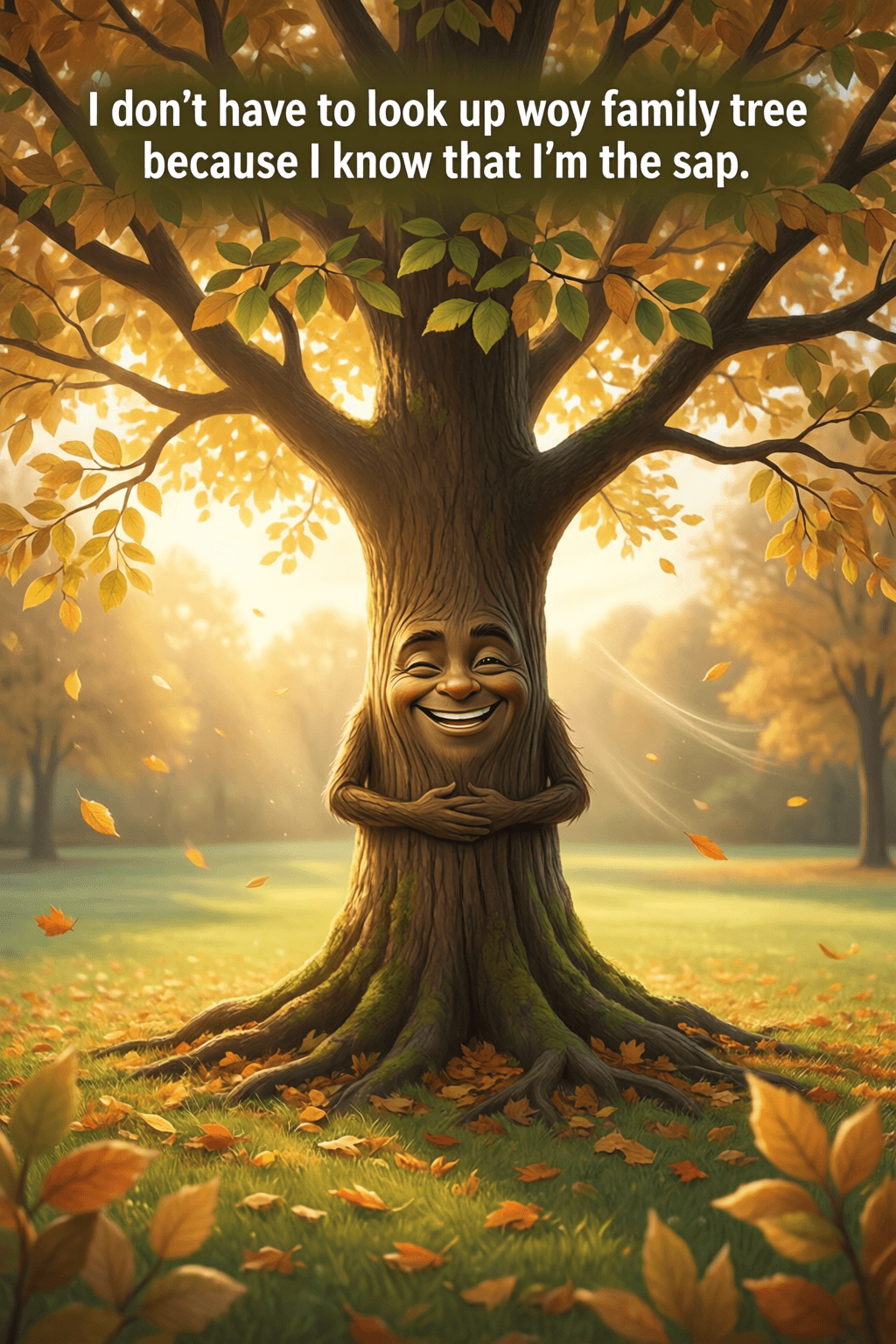
Family Trees, Folly, and the Joke of Inheritance
At first glance, Fred Allen’s quip works because it turns a familiar expression inside out. A family tree usually symbolizes lineage, pride, and ancestry, yet Allen skips the dignified search and identifies himself as “t...
Created on: 6/20/2026

Laughing at Yourself as Lasting Wisdom
Joan Rivers frames self-laughter not as embarrassment, but as a kind of courage. By suggesting that the “joke of the century” might be at our own expense, she flips the usual fear of being mocked into an invitation to pa...
Created on: 2/13/2026

Self-Laughter as a Practice of Resilience
Attributed here to Epictetus, the line pairs two ideas that sit comfortably within Stoic ethics: self-awareness and emotional steadiness. If you can laugh at yourself, you stop treating your ego as fragile property that...
Created on: 2/6/2026