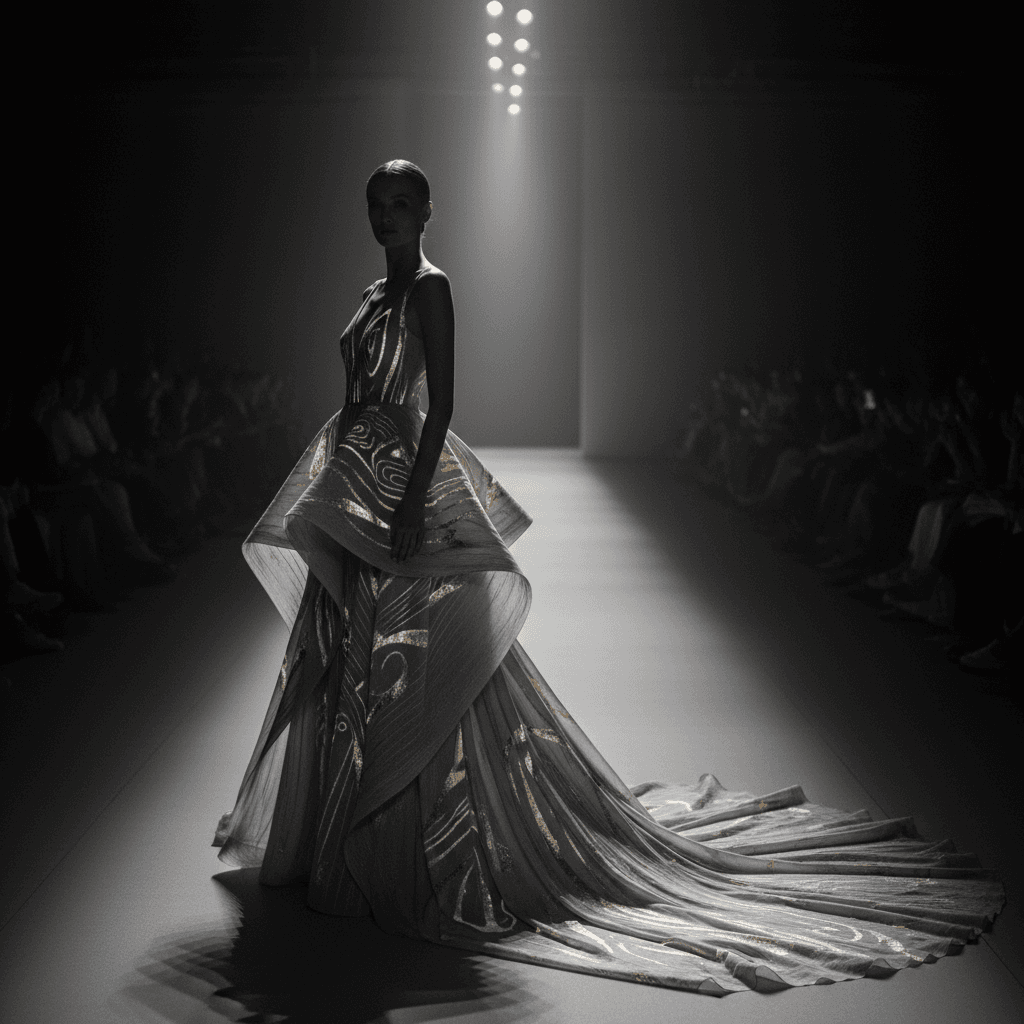
True to this metaphor, Chanel built permanence into aesthetics. Her little black dress, popularized by Vogue (Oct. 1926), codified elegance as clarity rather than ornament. The 2.55 bag (1955) and the tweed suit (1954) refined freedom of movement into luxury, suggesting that what liberates the wearer is what lasts. Chanel’s aphorisms echo the same ethic—“Elegance is refusal” and “The most courageous act is still to think for yourself. Aloud.”—both urging disciplined discernment over decorative noise. In other words, restraint becomes a creed, and simplicity, a moral stance. From here, history shows that when convictions tailor design, clothes become declarations, broadcasting identity and intent far beyond the runway. [...]