
Tags
#Togetherness
Quotes: 8
Quotes tagged #Togetherness

The Madness Between Loneliness and Togetherness
Stephen King’s line captures a sharp paradox at the center of human life: isolation can drive us inward until loneliness becomes unbearable, yet intimacy can overwhelm us with its demands. In other words, we are not buil...
Created on: 7/30/2026

Why Family Makes Life’s Best Moments Richer
At its heart, Anita Krizzan’s quote suggests that happiness is rarely complete in isolation. A beautiful meal, a personal milestone, or even an ordinary sunset often feels more vivid when loved ones are present to witnes...
Created on: 6/19/2026

The Quiet Strength of Shared Presence
Henri Nouwen’s reflection begins by redefining togetherness not as constant conversation, but as a quiet, attentive communion. In this view, silence is not emptiness; rather, it becomes a space where two people recognize...
Created on: 6/9/2026

A Whole World Within the Firelight
At its heart, Jennifer Donnelly’s line turns a private domestic scene into something vast: a house lit by fire becomes a miniature version of the world itself. The phrase “made small” does not diminish life’s importance;...
Created on: 5/10/2026

Togetherness Brings Out Our Highest Selves
At its core, Whitman’s line suggests that human beings reach their fullest potential not in isolation but in companionship. “To be together” is more than physical closeness; it implies emotional, social, and even spiritu...
Created on: 4/5/2026

Human Nature Rooted in Goodness and Togetherness
At its heart, Desmond Tutu’s statement presents a hopeful view of human nature. Rather than defining people by selfishness or conflict, he insists that goodness, love, friendliness, and togetherness are not accidental vi...
Created on: 3/22/2026
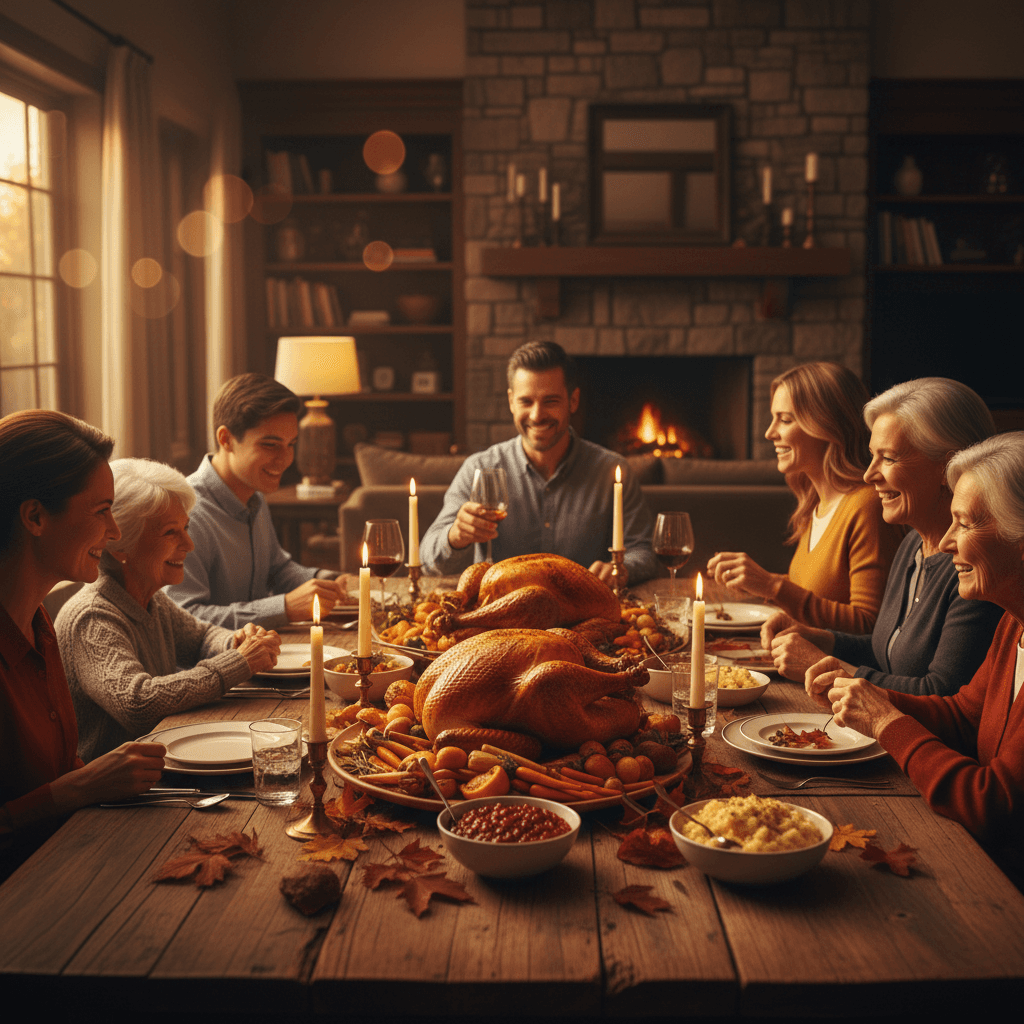
Thanksgiving as a Season of Shared Gratitude
Nigel Hamilton’s line captures Thanksgiving as more than a date on the calendar; it is a ritual of gathering. Families, friends, and sometimes strangers come together around tables, living rooms, and community halls, wea...
Created on: 11/27/2025