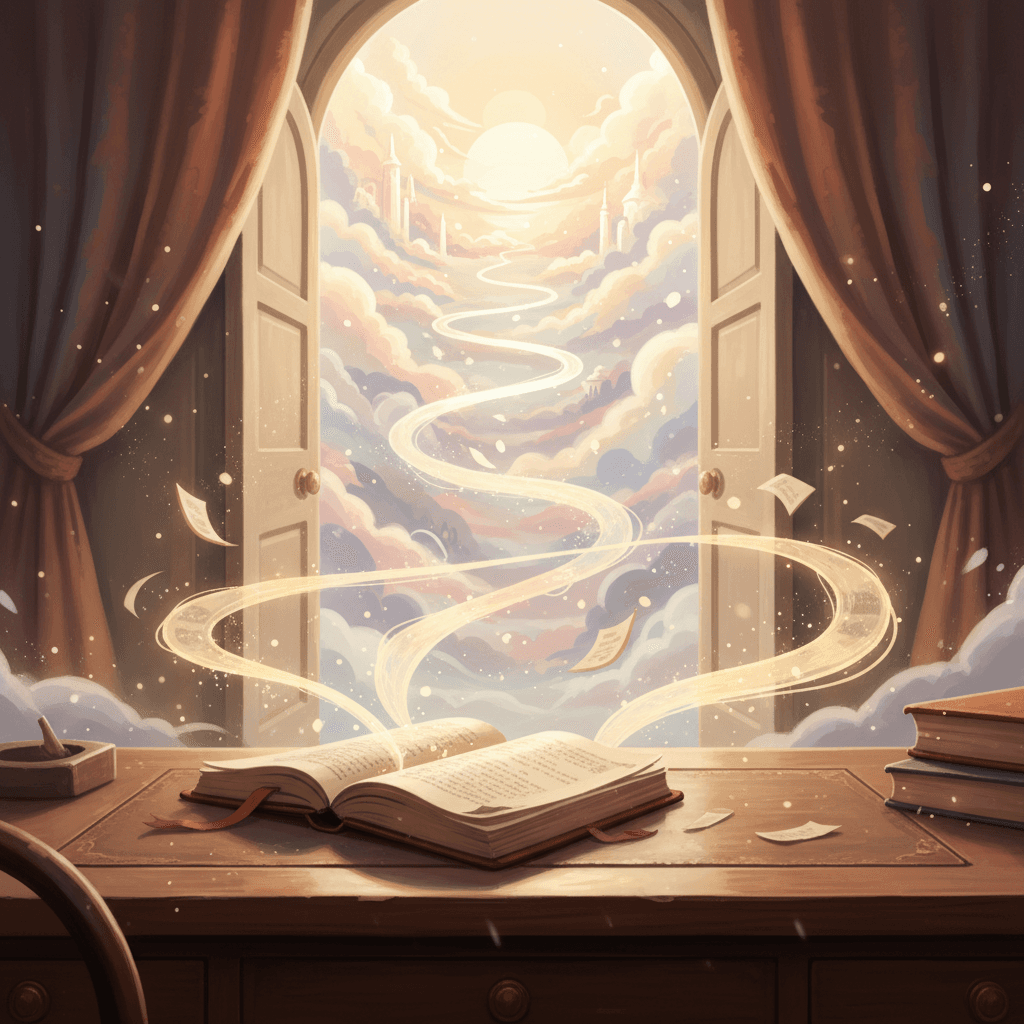
Finally, Woolf’s exhortation circles back to the writer as reader of their own pathways. To let pages become pathways is also to commit to walking them ourselves—to act in ways consistent with what we have articulated. This reciprocal motion, from thought to page and from page back into life, closes the loop between reflection and practice. In doing so, it exemplifies Woolf’s broader modernist project: to show that literature is not a separate realm, but a lived corridor through which both writers and readers move, change, and find new directions. [...]