
Authors
Arthur Schopenhauer
Arthur Schopenhauer (1788–1860) was a German philosopher best known for his work The World as Will and Representation and for developing a metaphysical doctrine centered on the primacy of the will. His writings on pessimism, aesthetics, and the limits of knowledge influenced later thinkers such as Nietzsche and Freud.
Quotes: 7
Quotes by Arthur Schopenhauer
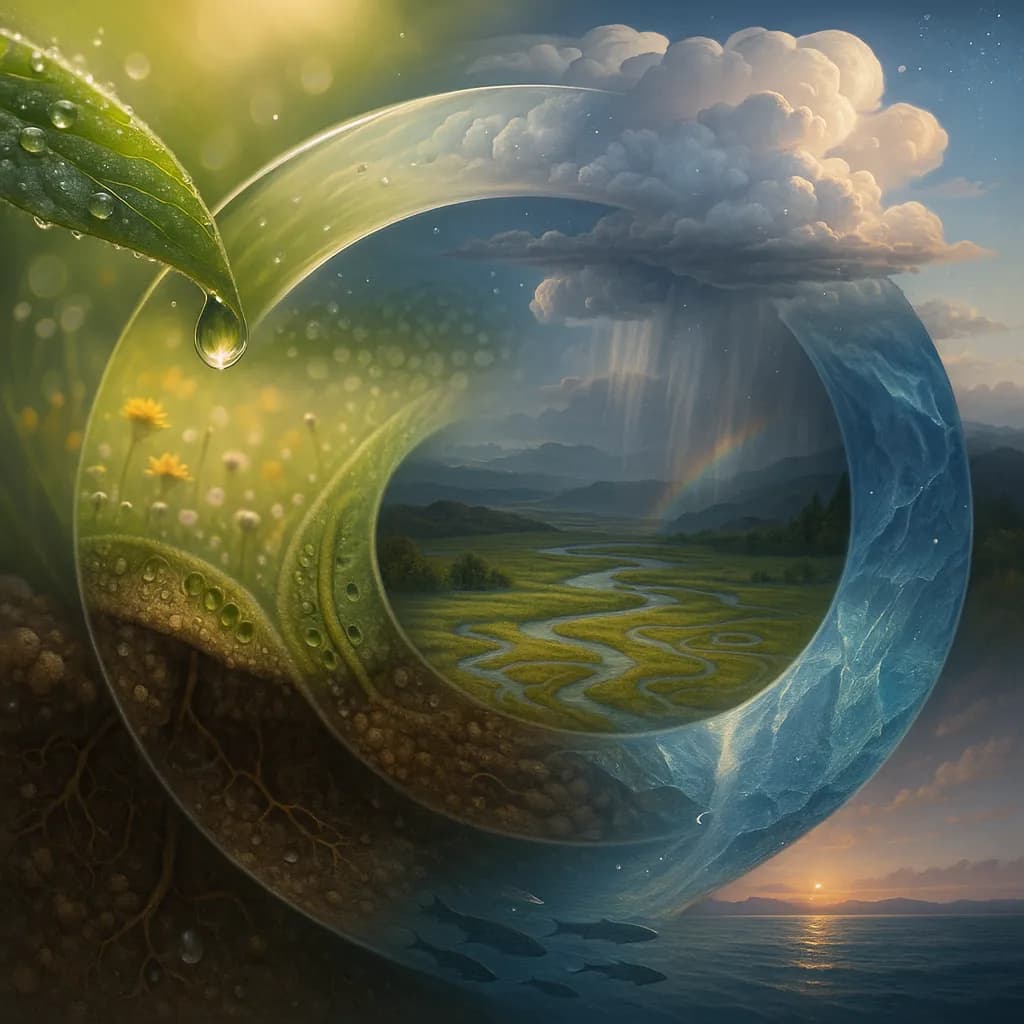
Thinking Newly About What Everyone Sees
Schopenhauer’s aphorism reframes creativity: the frontier is not hidden objects but hidden interpretations. The world is saturated with shared sights—streets, tools, skies—yet their meanings remain pliable.
Created on: 8/10/2025
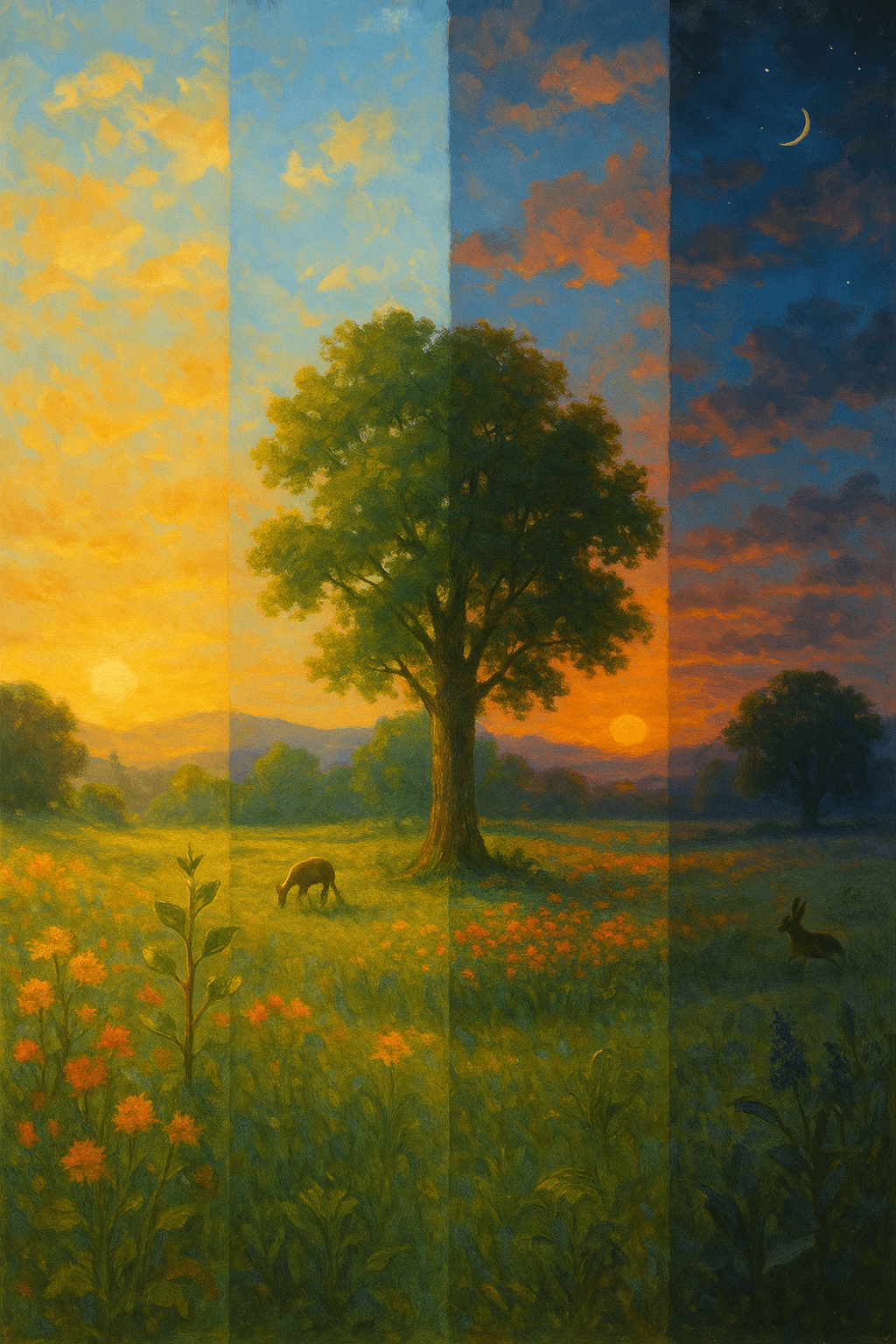
The Art of Using Time with Purpose and Intention
Arthur Schopenhauer’s distinction between 'ordinary' and 'great' people hinges on their relationship with time. For the majority, time is a commodity to be spent or filled, often without deeper consideration.
Created on: 6/23/2025

Expressing Profound Ideas Through Simple Language
Arthur Schopenhauer, the 19th-century philosopher, contended that the true mark of insight lies in the ability to convey complex ideas using plain words. Rather than disguising thought in elaborate or obscure language, h...
Created on: 5/24/2025
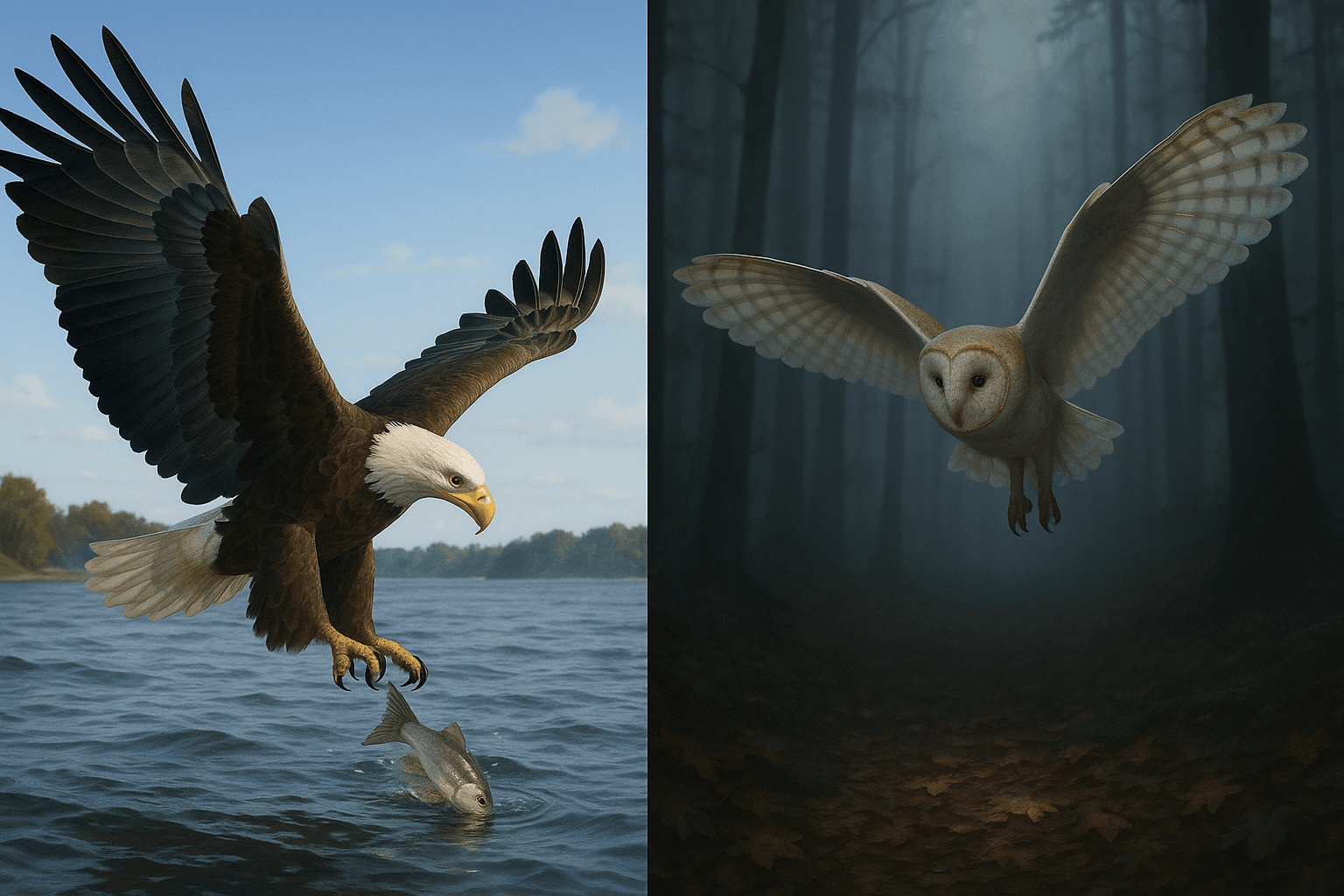
Unseen Targets: The Nature of True Genius
Arthur Schopenhauer’s famous dictum draws a pivotal distinction between talent and genius. Whereas talent is marked by extraordinary execution—hitting what others miss but can still observe—genius transcends the visible...
Created on: 5/21/2025
Our Perception Sets the World's Limits – Arthur Schopenhauer
The quote points out that people tend to believe their personal view is the only reality.
Created on: 4/15/2025

Compassion Is the Basis of All Morality - Arthur Schopenhauer
Schopenhauer emphasizes that morality originates from compassion. When people feel empathy for others, they are more likely to act ethically and consider the well-being of others.
Created on: 3/26/2025
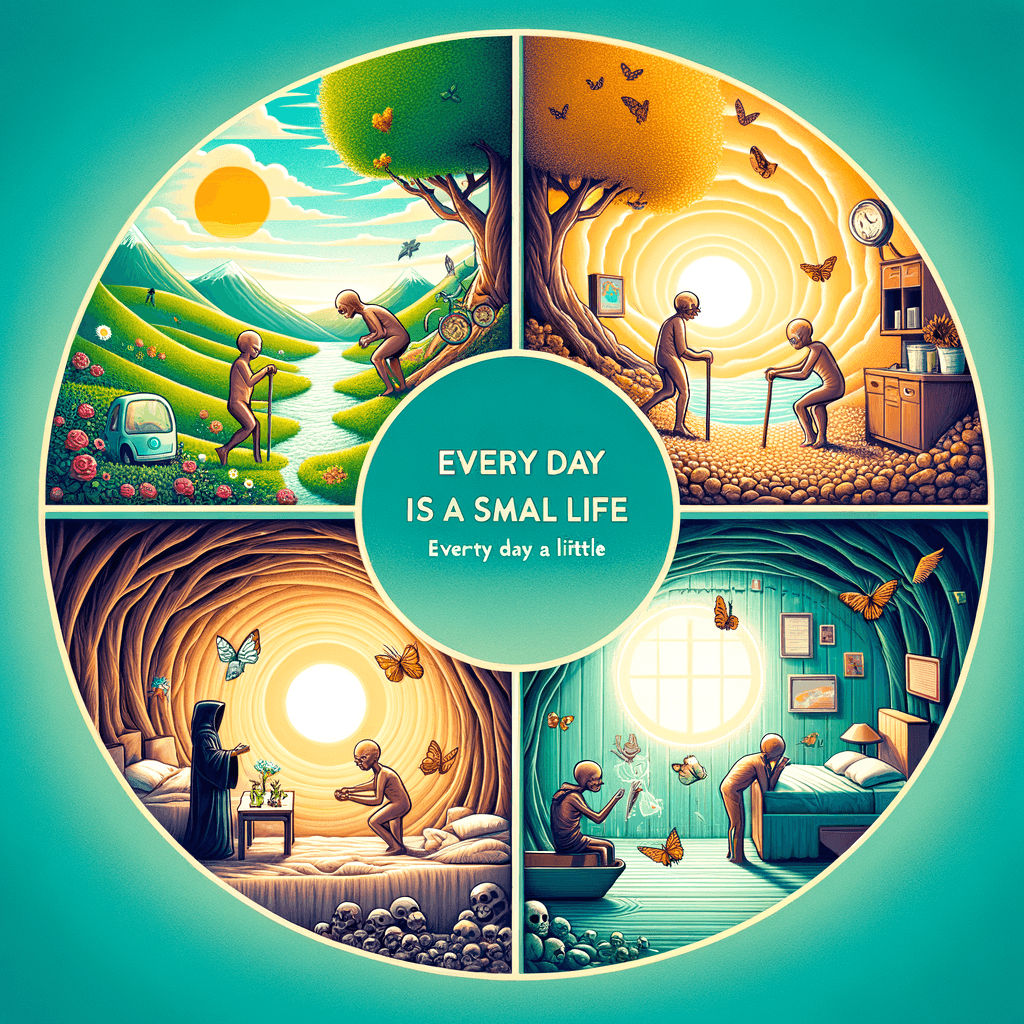
Life's Daily Cycle - Arthur Schopenhauer
Schopenhauer likens each day to a small life, emphasizing how every new day brings an opportunity for renewal and a fresh start, similar to being born anew.
Created on: 5/27/2024