
Authors
Harriet Tubman
Harriet Tubman (c.1822–1913) was an American abolitionist and conductor on the Underground Railroad who escaped slavery and led dozens of enslaved people to freedom. She later served as a Union spy and nurse, advocated for women’s suffrage, and is remembered for the quote about freeing a thousand slaves.
Quotes: 7
Quotes by Harriet Tubman

Harriet Tubman’s Command to Keep Going
Harriet Tubman’s words come from a world where movement could mean life and stillness could mean capture. The “dogs” and “torches” evoke the tools of slave catchers and patrols who hunted people fleeing bondage, turning...
Created on: 2/23/2026

Strength Grows When We Share the Weight
Harriet Tubman’s line begins with an honest admission: change can feel heavy, not exhilarating. Yet instead of waiting for the feeling to pass, she offers a practical pivot—“lift someone else.” In other words, when trans...
Created on: 12/25/2025
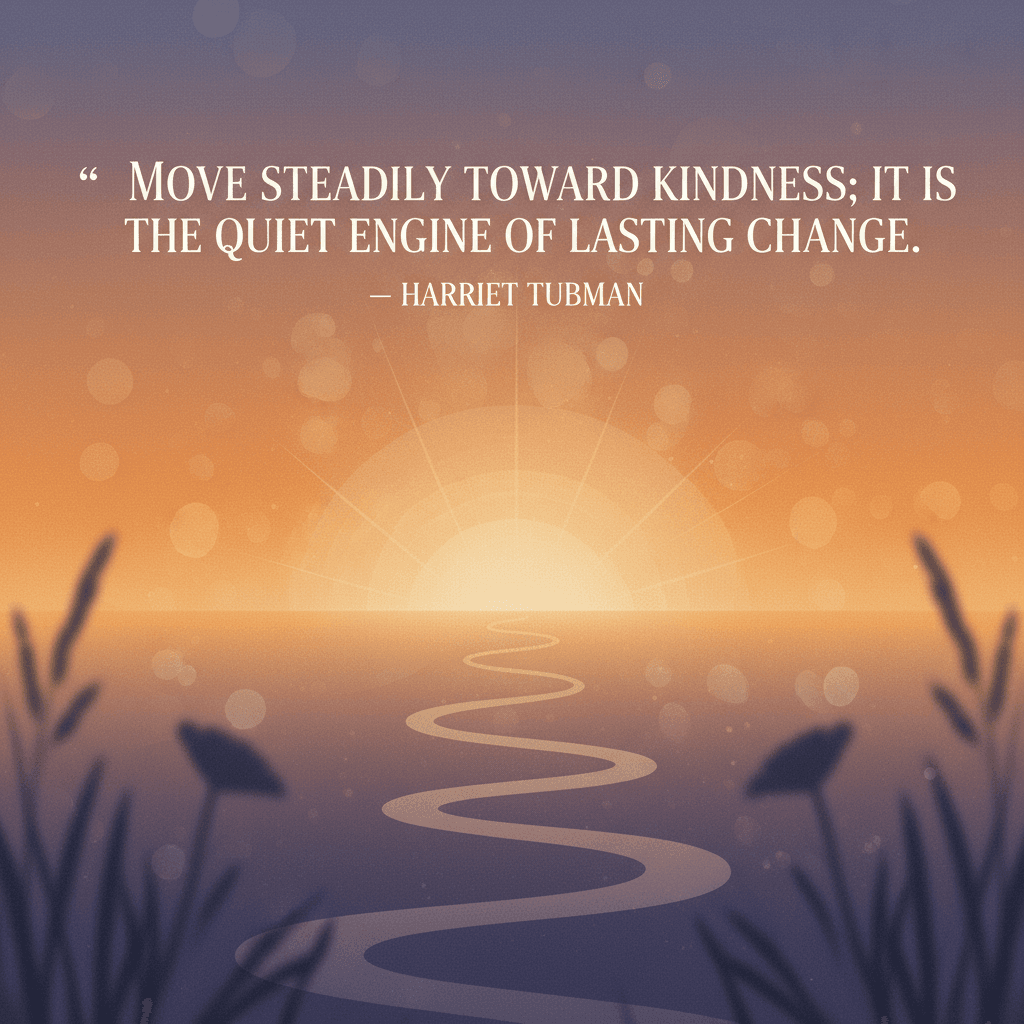
Steady Kindness, the Engine of Lasting Change
At first glance, the line urges a shift from dramatic gestures to steady, humane action. By coupling movement with kindness, it frames change not as a sudden rupture but as an enduring arc shaped by character.
Created on: 11/2/2025

Progress Rowed by Patience and Purpose Together
Tubman’s image invites us to picture a small boat: two oars dipping in rhythm, each necessary to move straight ahead. Patience without purpose leaves us drifting in place; purpose without patience spins us in circles.
Created on: 11/1/2025
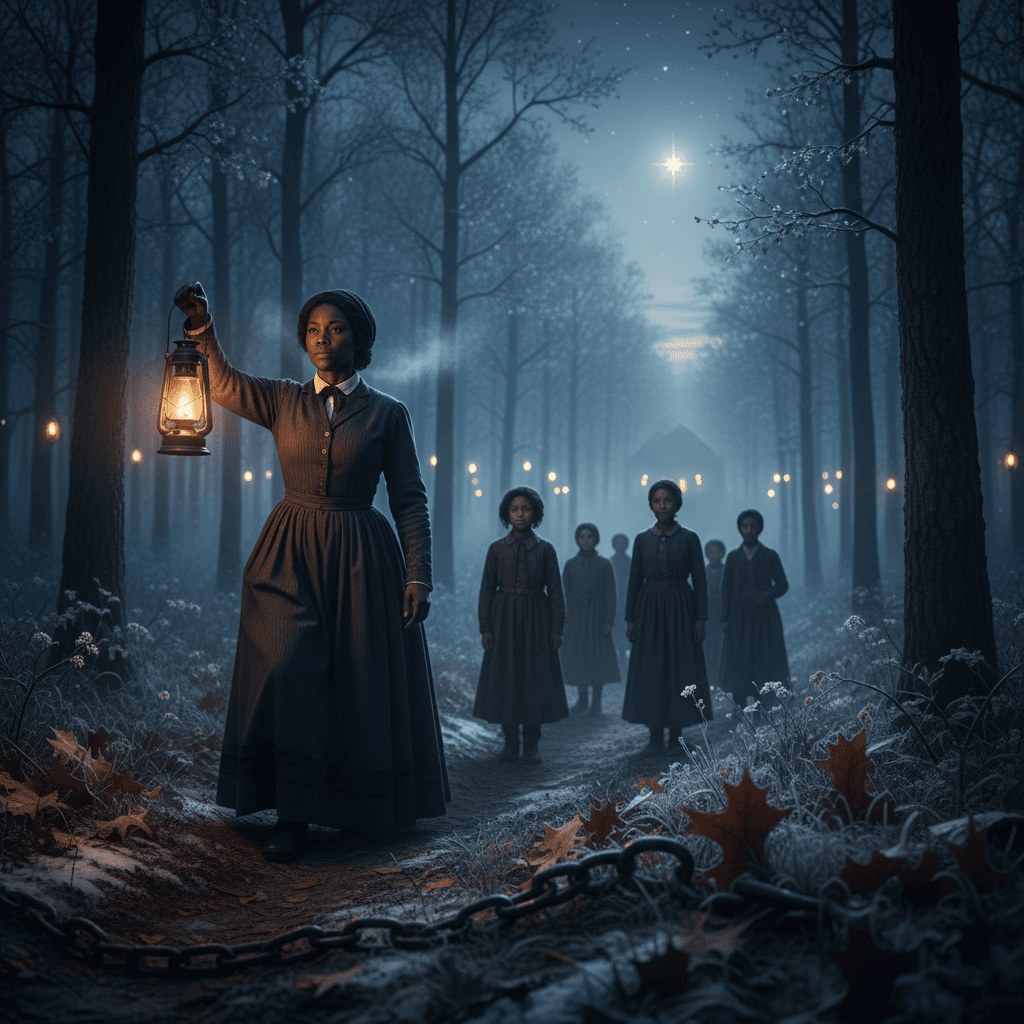
Freedom, Awareness, and the Legacy of Harriet Tubman
This oft-attributed line distills a hard truth: liberation requires not only the breaking of chains but also the recognition that chains exist. The aphorism suggests that systems of domination often mask themselves as no...
Created on: 9/21/2025
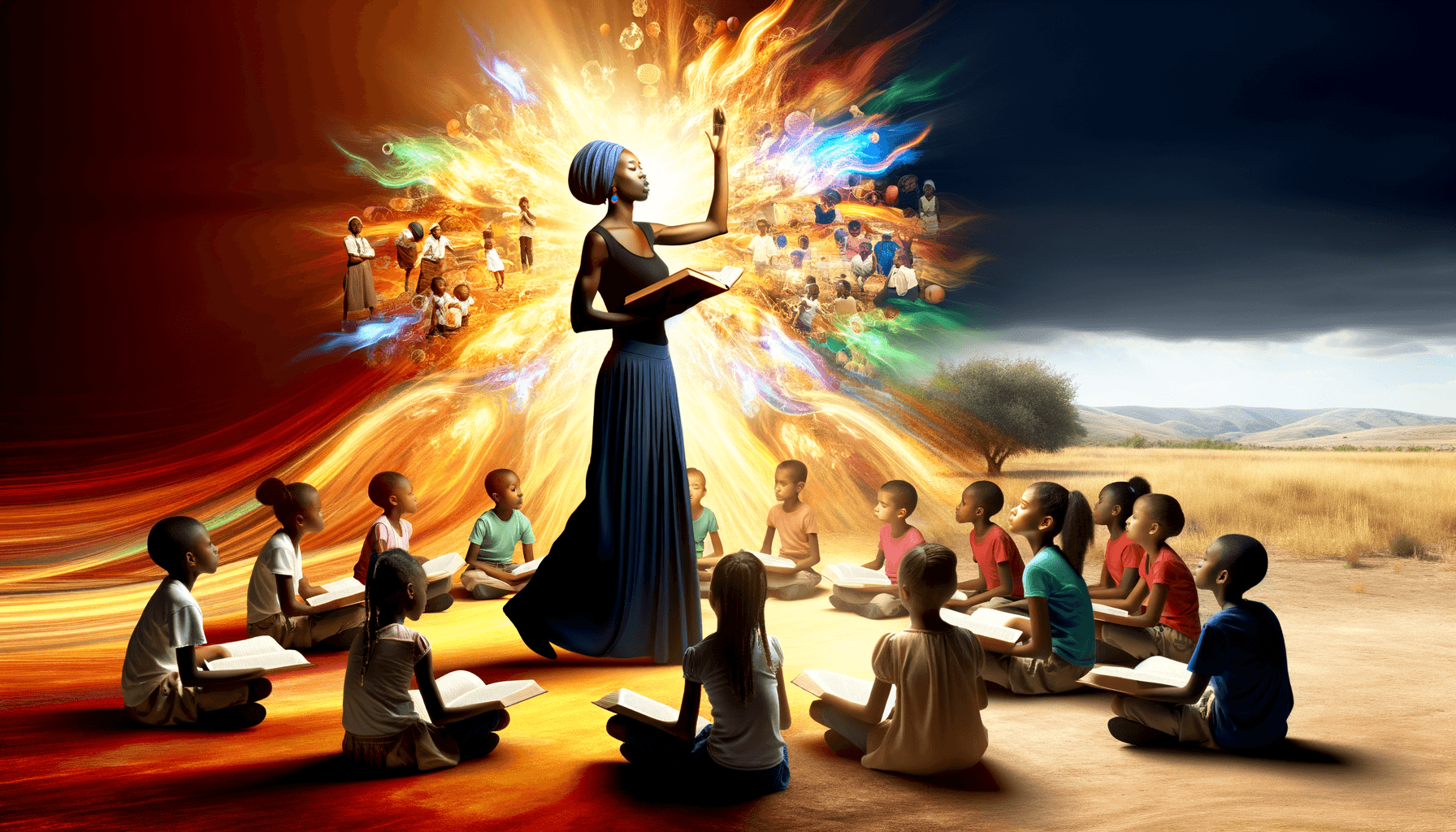
To Educate the Men, We Must Educate the Women - Harriet Tubman
This quote emphasizes that educating women is essential for the overall progress of society. Women play a crucial role in imparting knowledge to future generations, shaping both men and women.
Created on: 2/27/2025

Every Great Dream Begins With a Dreamer - Harriet Tubman
This quote emphasizes that behind every significant achievement or change, there is someone who first imagined it. Dreams and aspirations are the starting points for any great endeavor.
Created on: 6/22/2024