
Authors
Lily Tomlin
Lily Tomlin (born September 1, 1939 in Detroit) is an American actress, comedian, writer, and producer known for character-driven comedy and a long career in stage, television, and film. She rose to prominence on Rowan & Martin's Laugh-In and has created enduring characters while working across stand-up, film (including Nashville), and voice roles.
Quotes: 3
Quotes by Lily Tomlin

Slow Down to Feel Better, Faster
Lily Tomlin’s line turns a common instinct on its head: when discomfort hits—stress, irritation, panic—the reflex is to speed up and push through. Yet she suggests that the most immediate relief often comes from the oppo...
Created on: 2/17/2026
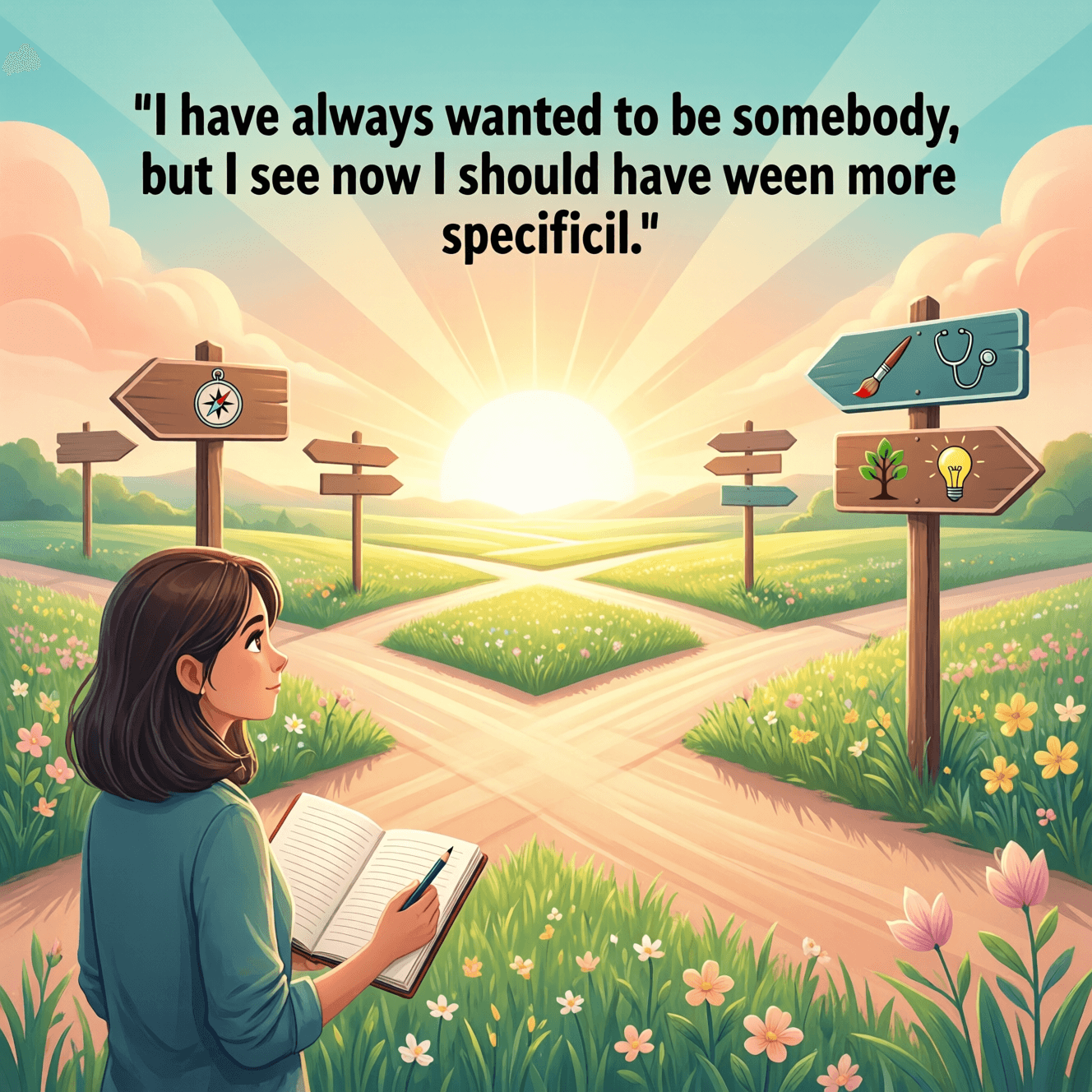
Ambition, Identity, and the Humor of Vagueness
Lily Tomlin’s line works as a punchline, yet it carries the sting of recognition: many people hunger to “be somebody” without ever defining what “somebody” means. The humor comes from the sudden self-correction—wanting s...
Created on: 2/17/2026
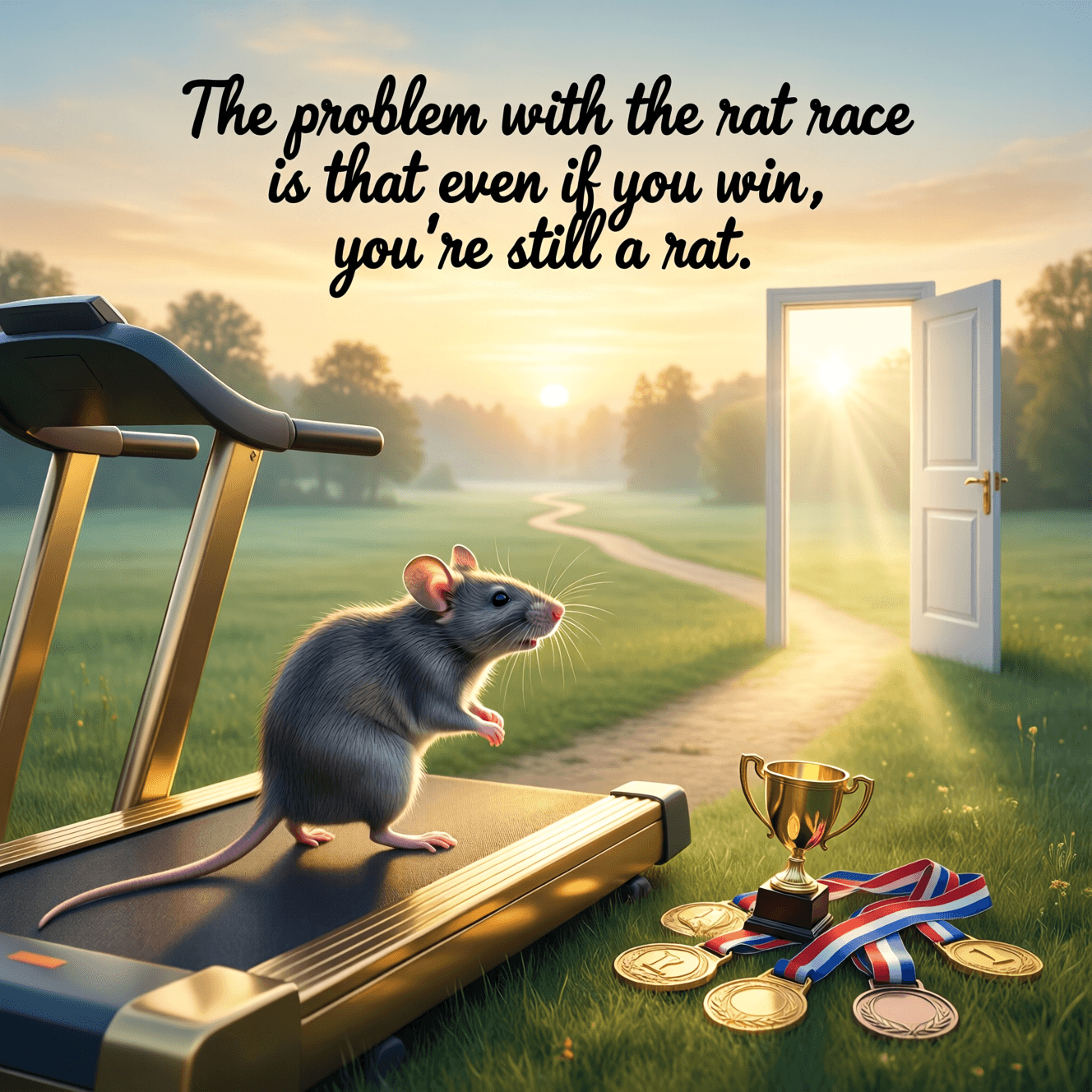
Winning the Rat Race Still Traps You
Lily Tomlin’s quip works because it flips a familiar promise: compete hard, win big, and you’ll be fulfilled. Instead, she suggests that the victory itself is hollow if the whole contest is demeaning or misaligned with y...
Created on: 2/11/2026