
Authors
Michelangelo
Michelangelo Buonarroti (1475–1564) was an Italian sculptor, painter, architect and poet of the High Renaissance. He is renowned for masterpieces such as the sculptures David and Pietà and the ceiling frescoes of the Sistine Chapel; his work emphasizes anatomical precision and monumental forms.
Quotes: 9
Quotes by Michelangelo
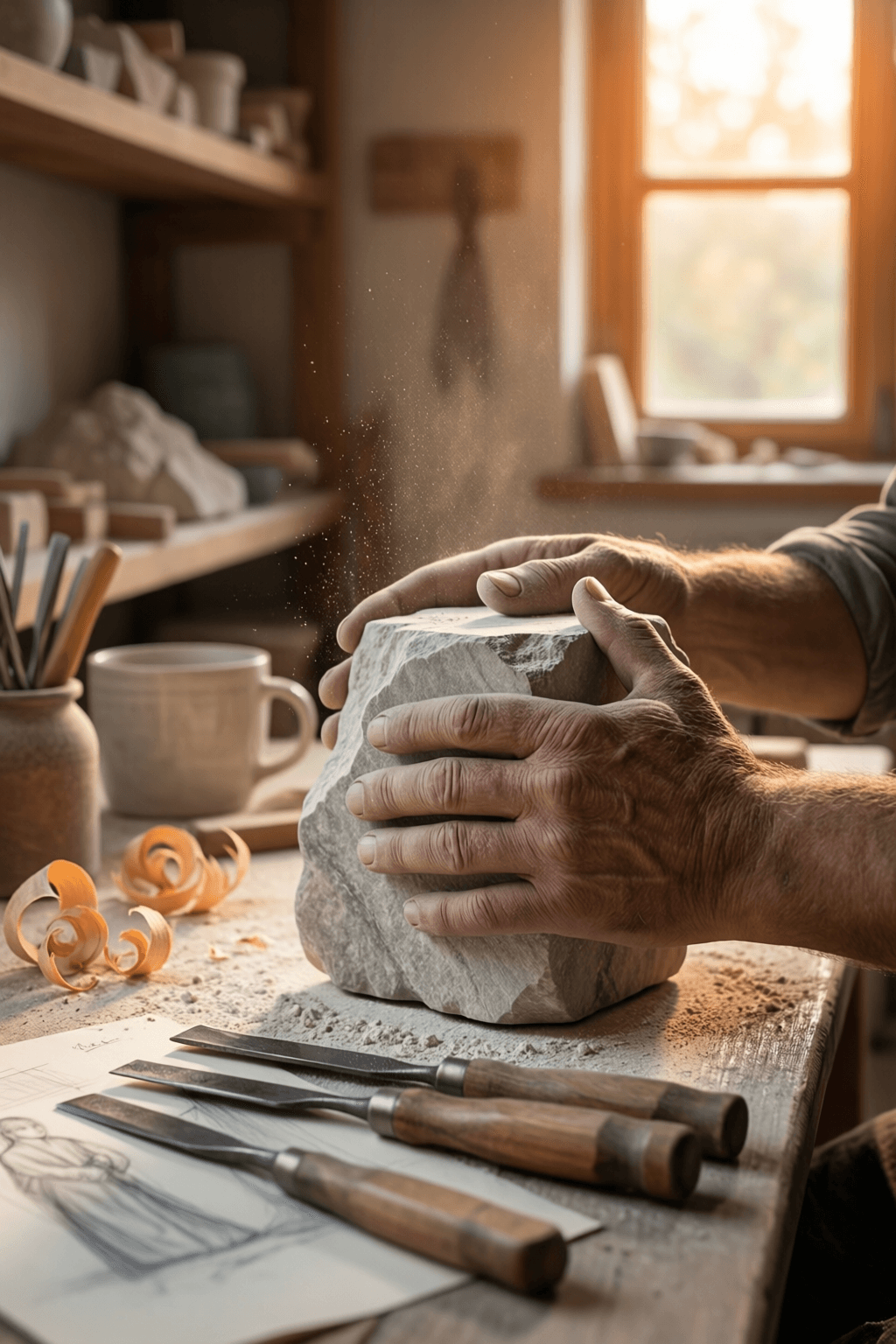
Mastery Is Built Through Hidden Labor
At first glance, Michelangelo’s remark strips genius of its mystique. Rather than presenting mastery as a gift bestowed at birth, he insists that extraordinary achievement is rooted in sustained and often invisible effor...
Created on: 7/9/2026
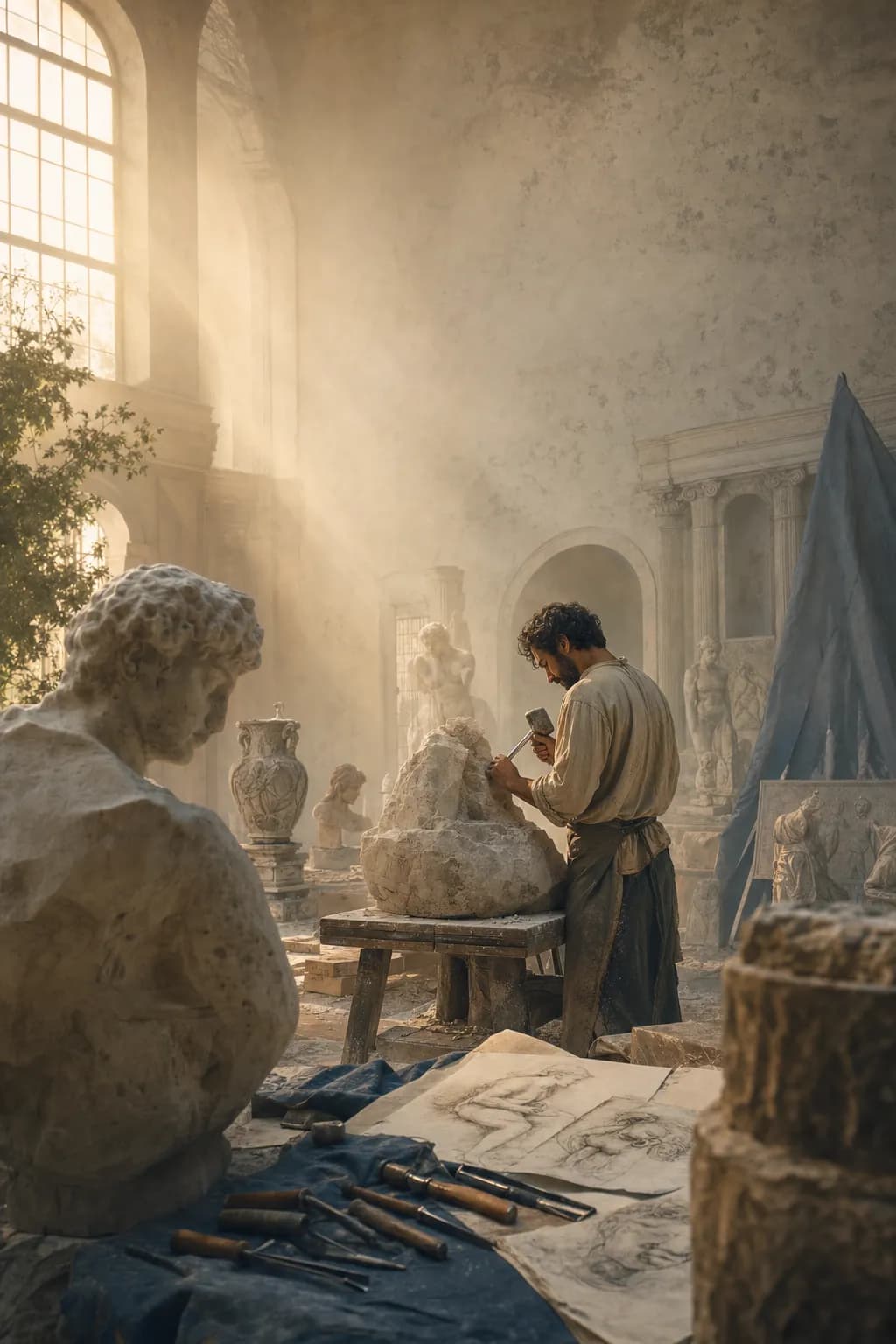
Still Learning at Every Stage of Life
Michelangelo’s brief statement, “I am still learning,” carries unusual force because it comes from a master whose achievements might have justified certainty. Instead, he presents knowledge as unfinished and the self as...
Created on: 7/2/2026
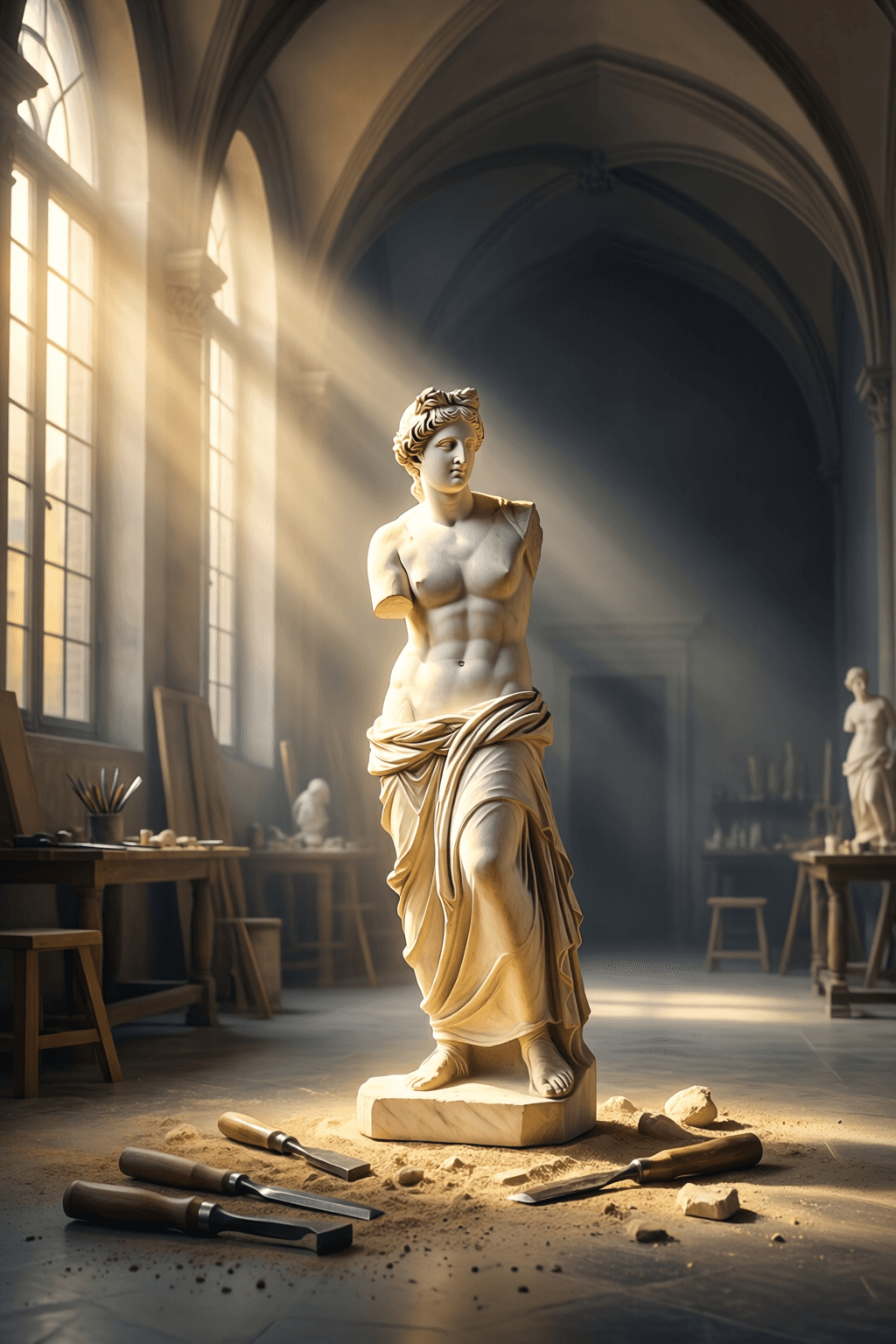
Art as a Shadow of Divine Perfection
Michelangelo’s statement immediately frames art as an act of humility rather than conquest. Instead of claiming that human creativity rivals ultimate truth, he suggests that even the finest painting or sculpture merely r...
Created on: 4/29/2026
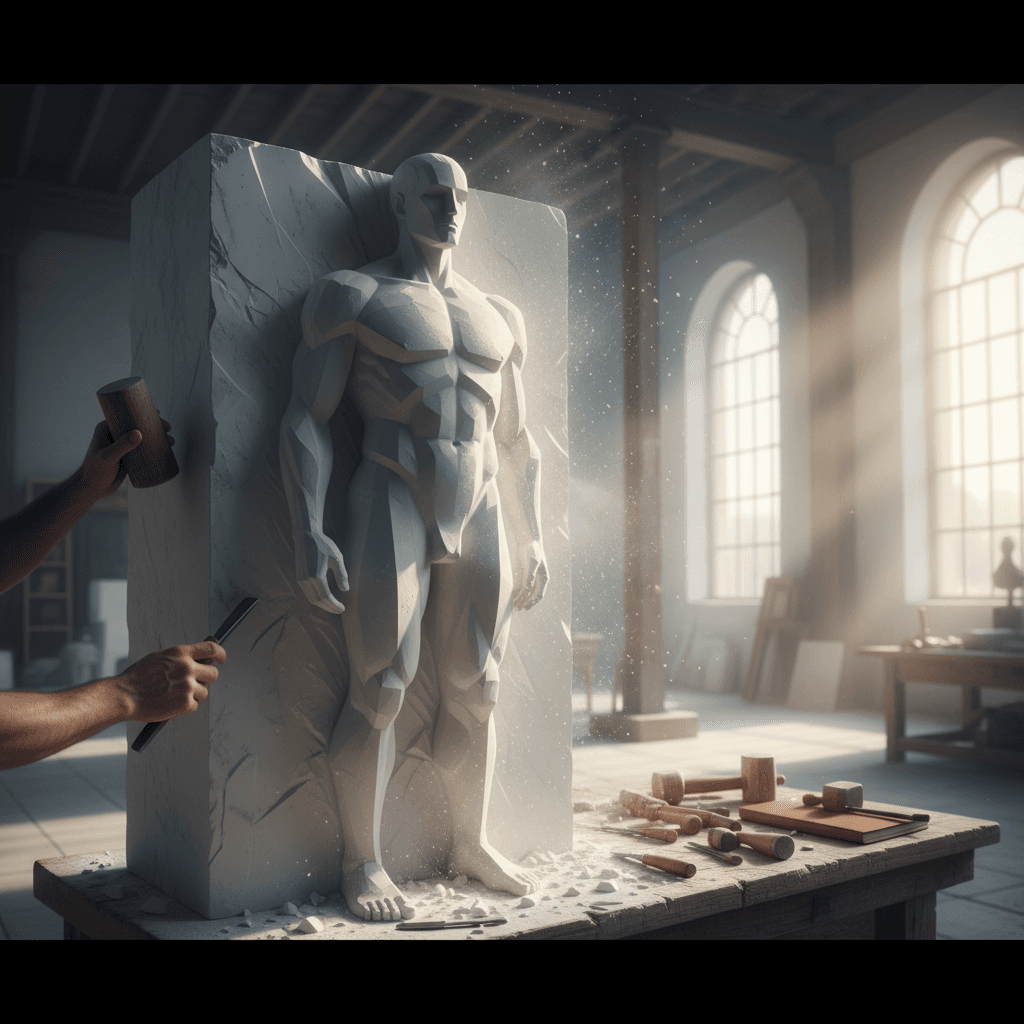
Chiseling Away the Needless to Become Yourself
Michelangelo’s line frames identity as something already present, waiting beneath excess. Instead of “building” a self from scratch, he suggests we uncover a truer form by removing what obscures it—habits, fears, and bor...
Created on: 12/15/2025
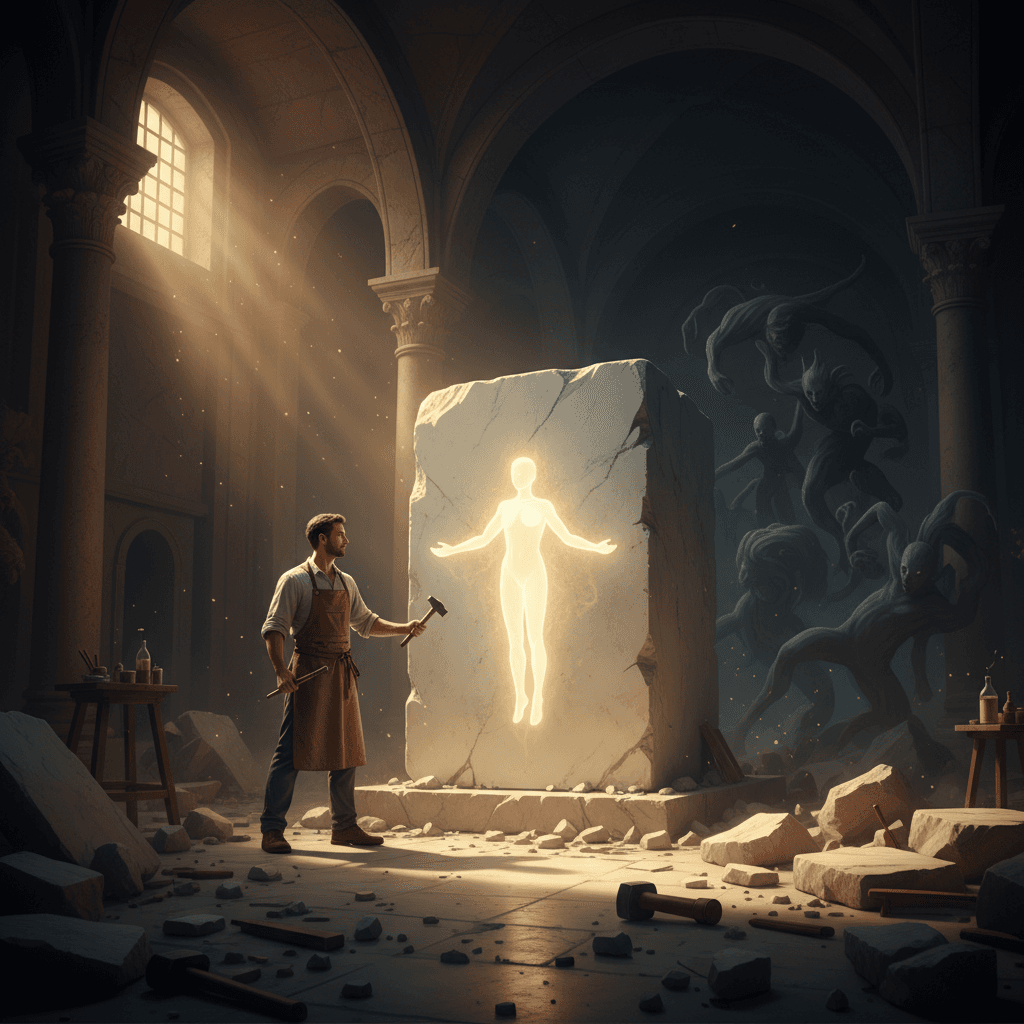
Carving Fear Away To Reveal True Purpose
Michelangelo’s metaphor invites us to imagine fear not as an enemy to be destroyed, but as surplus marble hiding who we really are. Just as a block of stone contains a statue within it, our lives often contain a clear pu...
Created on: 11/27/2025
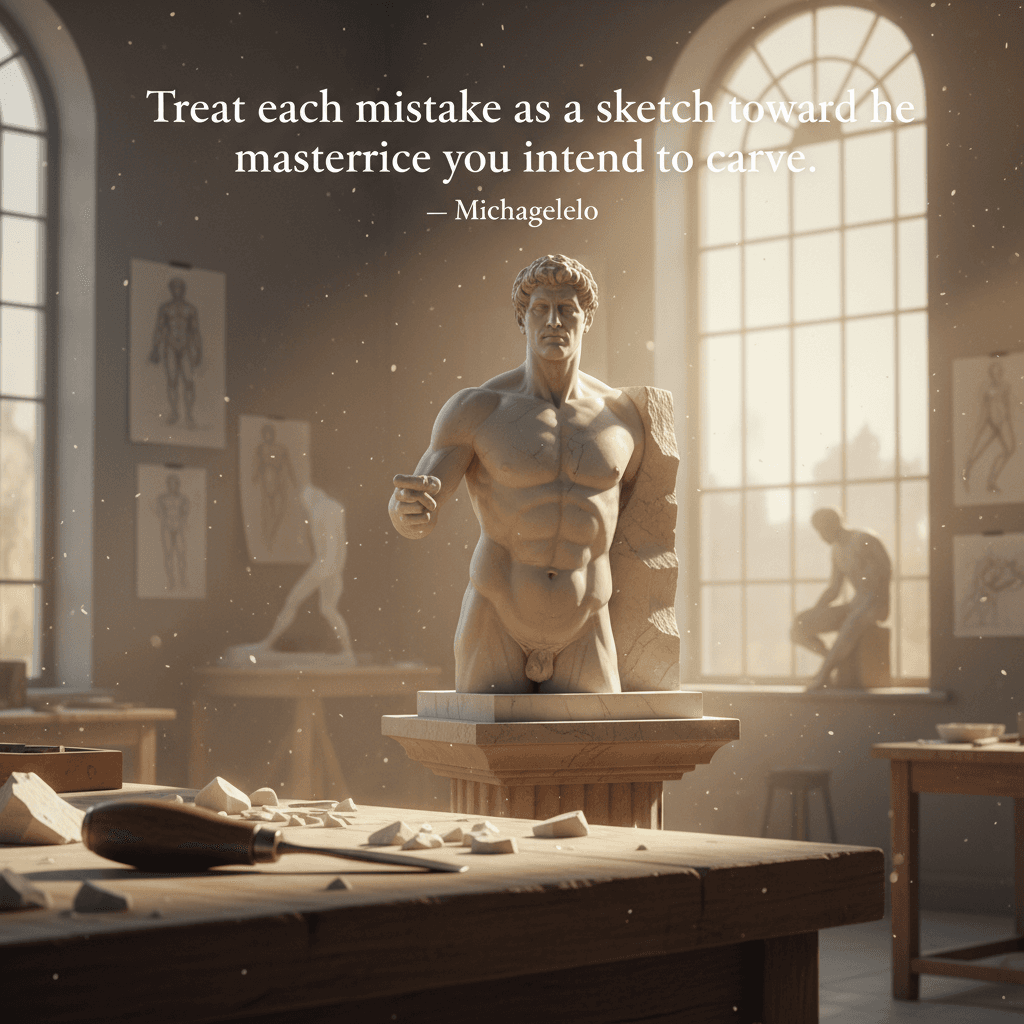
Turning Mistakes into Sketches of the Masterpiece
Michelangelo’s admonition invites a shift in perspective: see every mistake not as a blot to erase but as a guiding line toward form. In sculpture, the subtractive process makes this literal—one removes what does not bel...
Created on: 11/17/2025

The Greatest Danger Is Setting Low Aims - Michelangelo
This quote warns against the danger of becoming complacent with setting low goals. Michelangelo stresses that aiming too low and easily achieving those goals prevents personal growth and limits one's true potential.
Created on: 11/9/2024