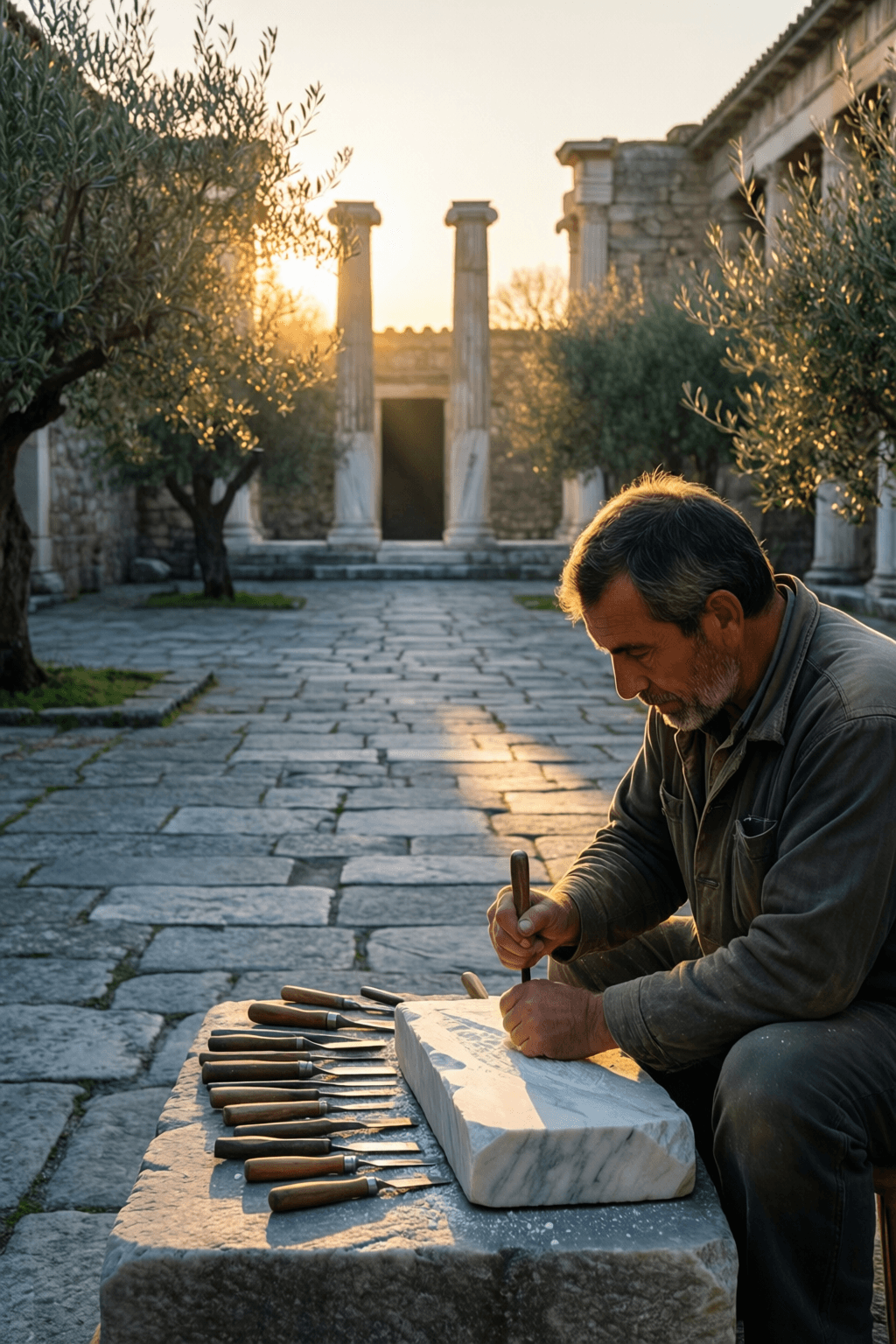
Seneca
Seneca (c. 4 BCE–65 CE) was a Roman Stoic philosopher, statesman, and dramatist known for moral essays and the Letters to Lucilius. His writings emphasize inner tranquility, reasoned action, and calm courage in adversity.
Quotes by Seneca
Quotes: 78

How a Steady Mind Reframes Life’s Storms
Finally, the metaphor clarifies a common misunderstanding: Stoic steadiness is not numbness. Weather still includes rain and wind; likewise, a steady mind still experiences grief, anger, and fear. The difference is that these emotions become phenomena to navigate rather than commands to follow. Seen this way, Seneca’s line is an ethic of mature feeling: to acknowledge inner turbulence while refusing to let it erase the horizon. The goal is not to eliminate storms but to meet them with a mind that can translate chaos into conditions, endure the passing squall, and steer by what remains true. [...]
Created on: 12/22/2025

Planting New Beginnings After Small Losses
Finally, Seneca’s sentence offers comfort without pretending that loss is good. It does not romanticize disappointment; it simply refuses to let disappointment be the final author of your story. That balance—clear-eyed acceptance paired with constructive action—is a Stoic signature. Taken together, the quote becomes a compact strategy for living: treat small losses as prompts for small, meaningful beginnings, then nurture those beginnings until they become part of your life’s structure. In that way, resilience is not a single rebound but a garden built over time. [...]
Created on: 12/21/2025

Ambition Guided by Wisdom Finds Steady Paths
Ultimately, the promise in the quote is hopeful: every mountain can offer a trail, meaning that progress is available even in daunting circumstances. The trail is “steady” because it is shaped by judgment—clear priorities, measured risk, and consistency over spectacle. Wisdom does not shrink ambition; it makes it navigable. In the end, Seneca points to a mature kind of success: not the dramatic leap, but the reliable ascent. When ambition becomes teachable and patient, the climber finds that difficult goals stop being chaotic threats and start becoming paths that can be walked, step after deliberate step. [...]
Created on: 12/20/2025

Progress Measured by Honest Effort, Not Perfection
Finally, this metric avoids two common traps: harsh perfectionism and lazy excuse-making. By valuing direction over flawless arrival, it grants compassion for human limits—fatigue, confusion, imperfect circumstances—while still demanding honesty about whether we are actually moving closer to wisdom. The result is a sturdier kind of motivation. You don’t need the world to cooperate to improve; you only need to take the next breath toward truth: to look again, choose again, and practice again. Over time, those breaths accumulate into character, which for the Stoics is the only “outcome” that can’t be taken away. [...]
Created on: 12/15/2025

Decisive Action, Patient Acceptance, and Stoic Calm
A useful translation of Seneca’s line is: decide, act, then give time permission to work. Start by naming what you can influence today (effort, tone, preparation), then identify what you cannot (timing, others’ approval, the final outcome). With that map, you can invest decisively in the first list and consciously release the second. Over time, this habit builds a distinctive kind of confidence: not the certainty that everything will go your way, but the assurance that you will meet whatever unfolds with steadiness. In that sense, the quote is both a strategy for action and a philosophy of peace. [...]
Created on: 12/15/2025

Resilience Built Through Quiet Daily Persistence
Finally, Seneca’s line carries an ethical tenderness: it doesn’t demand perfection, only continuation. That is especially important when life cannot be “fixed” quickly—when illness lingers, relationships fracture, or plans collapse. In such seasons, resilience may look like making dinner, answering one email, or asking for help, each action a quiet vote for life. The quote ultimately offers a sustainable model of strength. By valuing the simple decision to go on, it invites patience with oneself and faith in gradual growth—resilience as the slow, steady expansion of what you can bear and still keep moving. [...]
Created on: 12/15/2025

Facing Today’s Tasks to Protect Tomorrow’s Promise
Ultimately, Seneca invites us to redefine success not as grand achievement, but as the willingness to act when action is called for. While outcomes are never fully in our control, the decision to start today always is. By measuring ourselves by our readiness to take the next right step, we weaken procrastination’s grip and strengthen our sense of agency. In this light, every courageous beginning—no matter how modest—becomes a quiet victory over the theft of time, ensuring that tomorrow remains a field of possibility rather than a cemetery of postponed intentions. [...]
Created on: 12/7/2025