
Authors
Viktor Frankl
Viktor Frankl (1905–1997) was an Austrian neurologist, psychiatrist, and Holocaust survivor who founded logotherapy, a school of existential analysis. He authored Man's Search for Meaning and emphasized that finding purpose enables resilience amid suffering.
Quotes: 39
Quotes by Viktor Frankl

Choosing the Thought That Shapes Your Character
At its core, the quotation distinguishes between what arises automatically and what we deliberately endorse. A first thought may be reflexive, inherited, fearful, angry, or conditioned by habit; it appears before moral j...
Created on: 8/1/2026

Life’s Meaning Shifts With Person and Moment
Frankl’s sentence immediately resists the idea that life has one universal, static answer. Instead, he frames meaning as something that changes with the individual and even with the passing of time—so what matters most t...
Created on: 3/11/2026
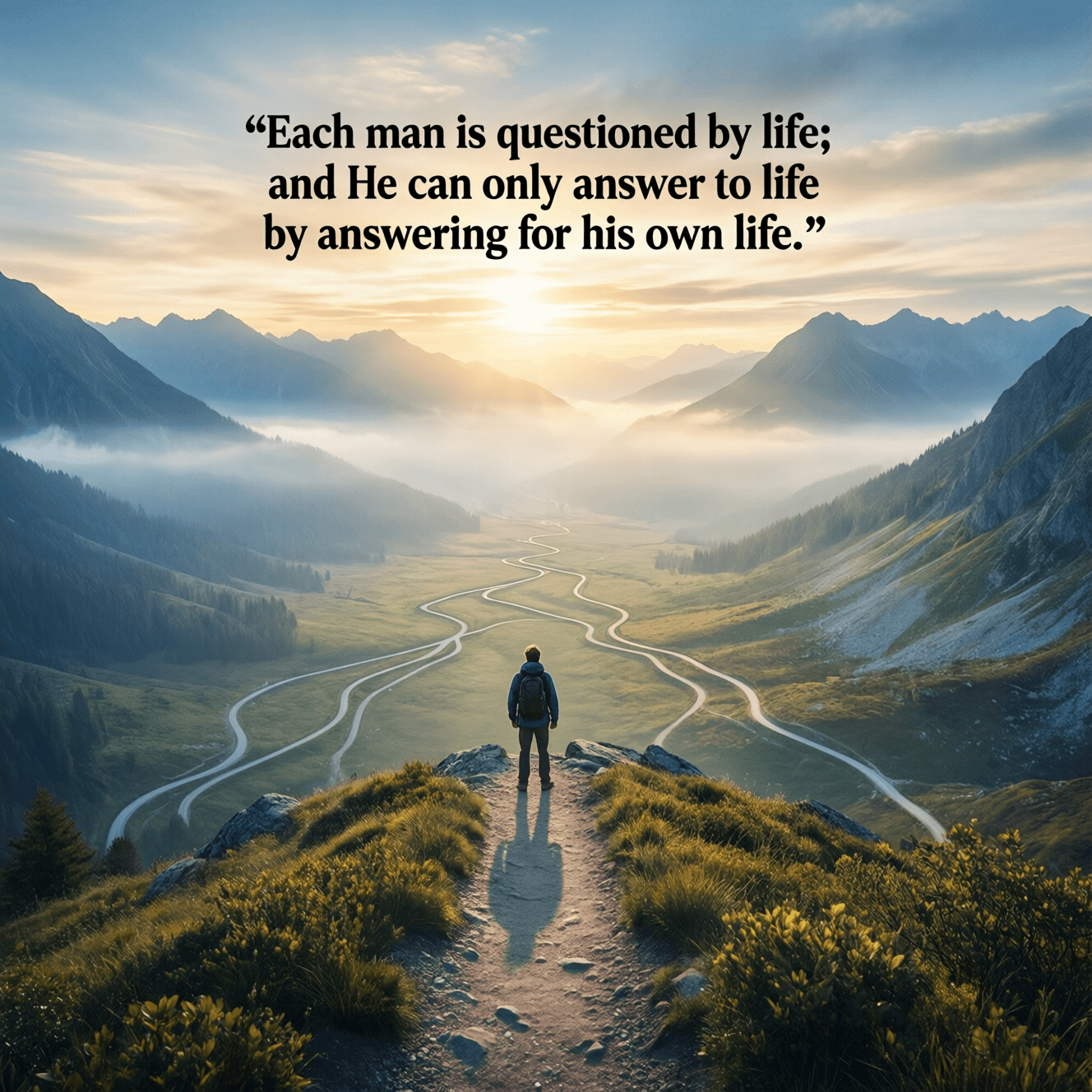
Answering Life by Owning Your Responsibility
Frankl reverses a common assumption: instead of treating life like a puzzle we interrogate for meaning, he frames life as the one doing the asking. In this view, daily events—work demands, relationship conflicts, illness...
Created on: 3/6/2026
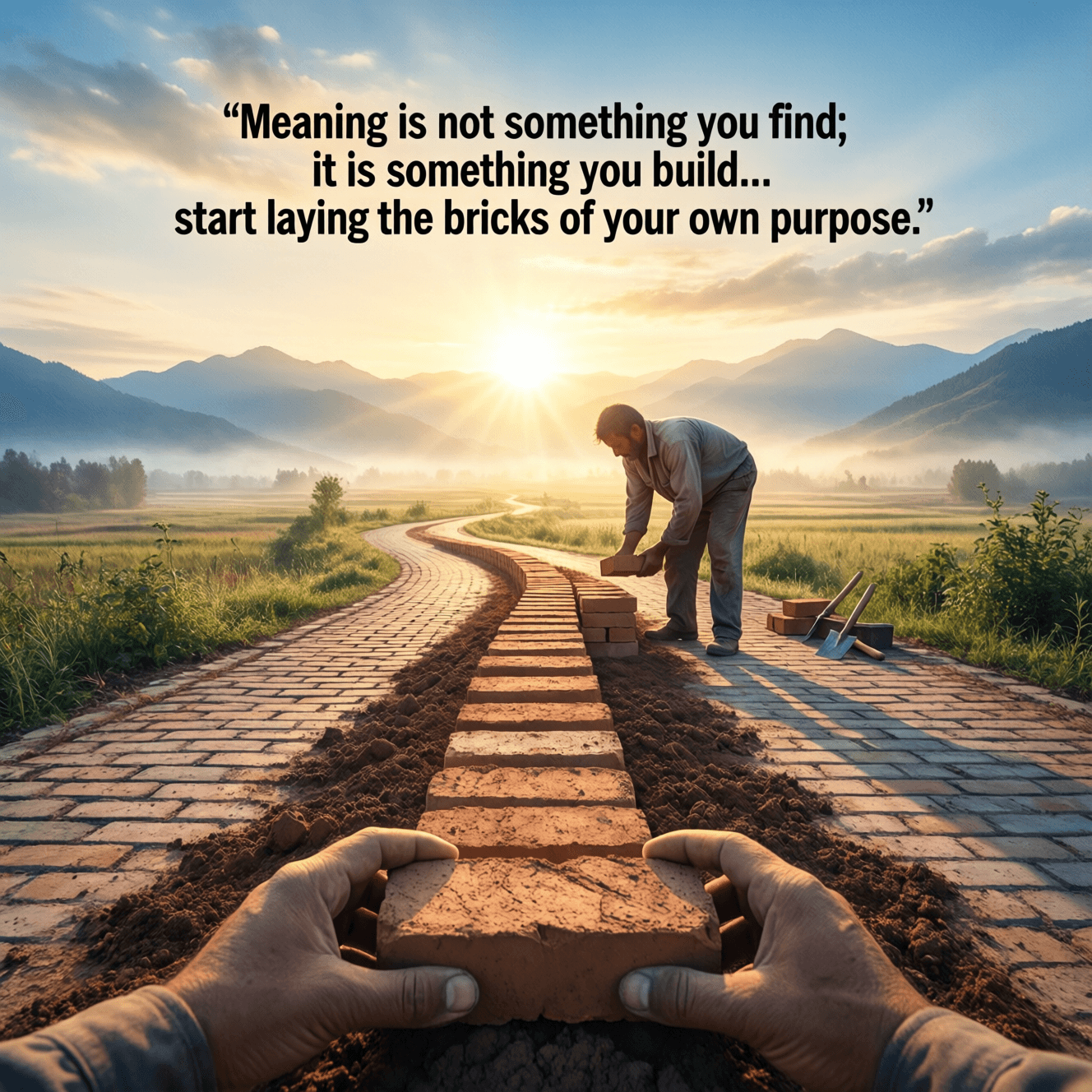
Building Meaning Through Deliberate Daily Purpose
Frankl’s line overturns a familiar hope—that life’s purpose is hidden somewhere, waiting to be uncovered like a buried artifact. Instead, he frames meaning as something made, assembled through choices and commitments ove...
Created on: 2/5/2026

A Purposeful Life Others Choose to Follow
The opening directive—“Act with care”—frames life as something shaped by attention rather than impulse. Care here is not mere gentleness; it is the discipline of considering consequences, especially when other people’s d...
Created on: 1/13/2026

Meaning Is Built Through Daily Hands-On Action
Frankl’s line begins with a firm refusal: do not drift, do not merely endure time, and do not expect meaning to arrive on its own. Idleness here is less about rest—which can be restorative—and more about passive waiting...
Created on: 1/3/2026

Suffering as a Gateway to Wider Perspective
Viktor Frankl’s line treats suffering not as a verdict but as a turning point: pain can enlarge what you notice, value, and dare to hope for. Rather than romanticizing hardship, he points to a practical shift in stance—w...
Created on: 12/20/2025