
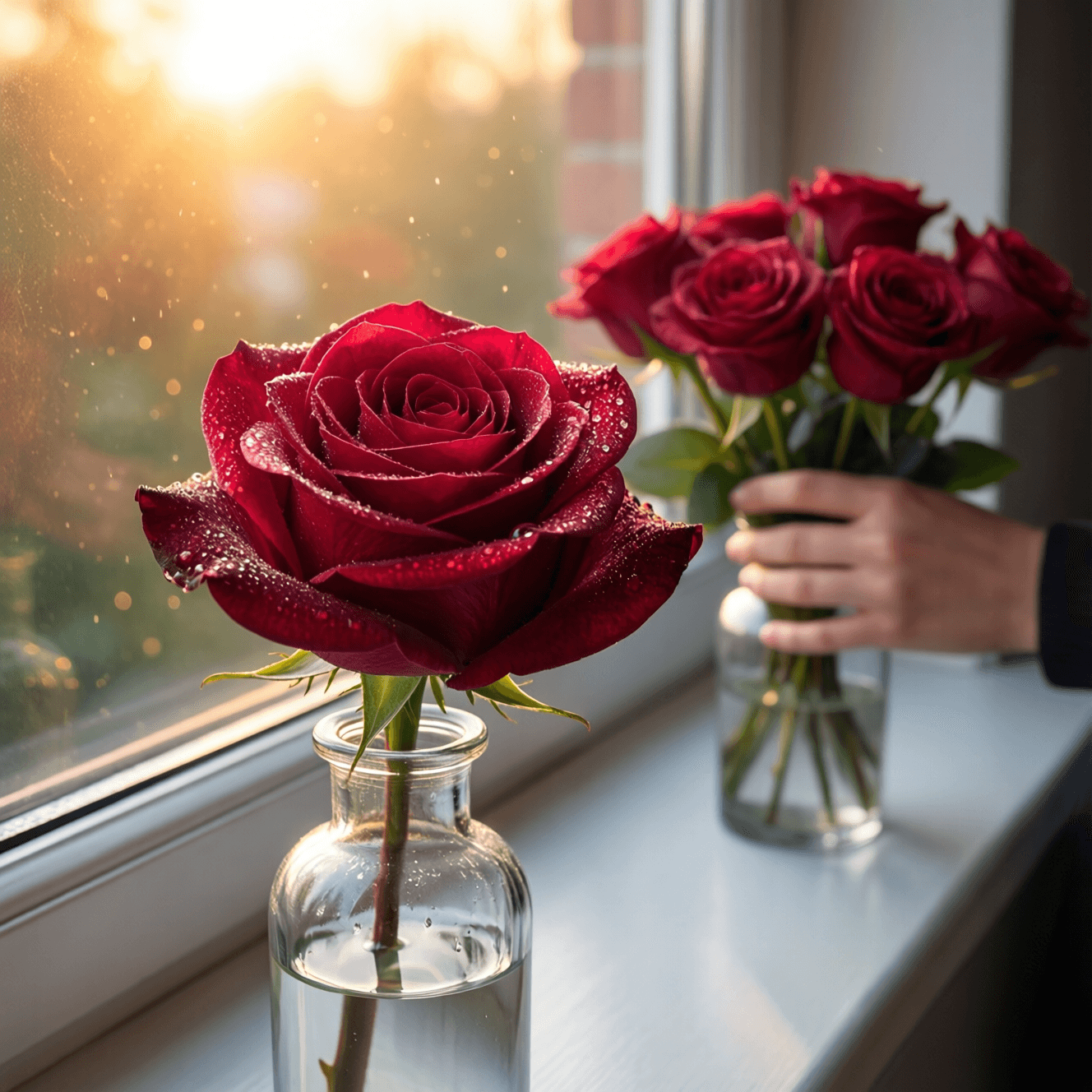
You can be the most beautiful rose in the world and there's still going to be someone who doesn't like roses. — Dita Von Teese
—What lingers after this line?
A Reminder About Taste, Not Worth
Dita Von Teese’s line opens with a striking image: even the “most beautiful rose in the world” won’t be universally adored. The point isn’t that the rose has failed, but that preference is inherently subjective. By framing rejection as a matter of taste, she quietly shifts the burden away from the self and onto the reality that people value different things. From there, the quote becomes less about aesthetics and more about worth. If even a near-perfect symbol of beauty can be dismissed, then a negative reaction says little about your intrinsic value—and a lot about the viewer’s personal likes, history, and mood.
The Myth of Universal Likeability
Building on that idea, the quote challenges the cultural promise that if you just refine yourself enough, everyone will approve. Many people chase an ever-moving standard—prettier, nicer, more accomplished—hoping it will finally eliminate criticism. Yet Von Teese points out a structural impossibility: you cannot optimize yourself into universal acceptance. This is liberating precisely because it’s realistic. Once you accept that some people simply “don’t like roses,” you can stop treating every dismissal as a fixable flaw and start seeing it as a normal consequence of difference.
Why People Dislike ‘Roses’ in the First Place
Next, it helps to ask what “not liking roses” can stand for. Someone may dislike roses because of allergies, bad memories, or a preference for wildflowers—factors unrelated to the rose’s quality. In human terms, a person’s rejection might come from incompatibility, insecurity, cultural expectations, or timing rather than anything you did wrong. This doesn’t excuse unkind behavior, but it clarifies causality. Often, what feels like a verdict on you is actually a reflection of them—their needs, their patterns, or their limited capacity to appreciate what you offer.
Confidence Without Performing for the Crowd
With that clarity, the quote naturally turns into a blueprint for confidence. If approval can’t be guaranteed, then self-respect has to come from a steadier place than other people’s reactions. Instead of trying to be broadly palatable, you can focus on being distinctly yourself—polished or imperfect, but aligned with your own values. Paradoxically, this tends to make connection easier. When you stop performing for a hypothetical universal audience, you become more consistent and authentic, which helps the people who genuinely like “roses” recognize you sooner.
Choosing Fit Over Validation
Then the goal shifts from being liked to being well-matched. In friendships, romance, and work, success often comes from fit: shared priorities, mutual respect, compatible styles. A rose isn’t trying to become lavender to win over lavender-lovers; it simply belongs where roses are appreciated. Seen this way, rejection can function as sorting rather than condemnation. It narrows the field toward people and places where your strengths land as strengths, not as irritants.
Turning Rejection Into Direction
Finally, Von Teese’s metaphor offers a practical emotional skill: reinterpret rejection as information. If someone doesn’t like roses, that’s a cue to stop persuading and start redirecting energy—toward communities, collaborators, or partners who do value what you naturally are. The quote doesn’t deny that rejection can sting; it reframes what the sting means. Instead of “I’m not enough,” it becomes “This isn’t my audience,” which preserves dignity while making space for relationships built on genuine appreciation rather than constant self-editing.
One-minute reflection
Why might this line matter today, not tomorrow?
Related Quotes
6 selectedYou can be the ripest, juiciest peach in the world, and there's still going to be somebody who hates peaches. — Dita Von Teese
Dita Von Teese
Dita Von Teese’s peach metaphor compresses a familiar social truth into something vivid and concrete: even if you embody an obvious, widely recognized kind of excellence—“the ripest, juiciest peach”—someone will still di...
Read full interpretation →It's okay to be a little bit of a mess. Even the moon has phases, and it's still the most beautiful thing in the night sky. — Sanober Khan
Sanober Khan
At its heart, Sanober Khan’s line offers relief from the exhausting pressure to appear composed at all times. By saying it is acceptable to be ‘a little bit of a mess,’ the quote reframes disorder not as failure but as p...
Read full interpretation →The art of living is not about being a finished masterpiece; it is about being a work in progress that still knows how to laugh at its own paint spills. — Anne Lamott
Anne Lamott
At its heart, Anne Lamott’s remark reframes life from a quest for perfection into an ongoing act of creation. Instead of imagining ourselves as polished masterpieces, she invites us to see our days as brushstrokes still...
Read full interpretation →You do not need to be a lighthouse for everyone else; sometimes it is enough to just be a boat. — Anne Lamott
Anne Lamott
Anne Lamott’s line gently dismantles the pressure to be endlessly strong, wise, and guiding for others. A lighthouse stands fixed, visible, and responsible for warning everyone around it; by contrast, a boat simply carri...
Read full interpretation →To be at home in oneself is the most revolutionary act in an age of constant distraction. — Pico Iyer
Pico Iyer
Pico Iyer’s remark begins with a deceptively simple image: being at home in oneself. Yet this inner home is not a place of withdrawal so much as a state of ease, where a person can sit with thoughts, feelings, and silenc...
Read full interpretation →The real problem with being alone is that you're stuck with yourself all day. Make sure you're someone you actually like hanging out with. — Maya Angelou
Maya Angelou
Maya Angelou’s line begins with a sharp but compassionate truth: being alone is difficult not merely because others are absent, but because the self becomes unavoidable. In solitude, distraction fades, and our habits, th...
Read full interpretation →More From Author
More from Dita Von Teese →