
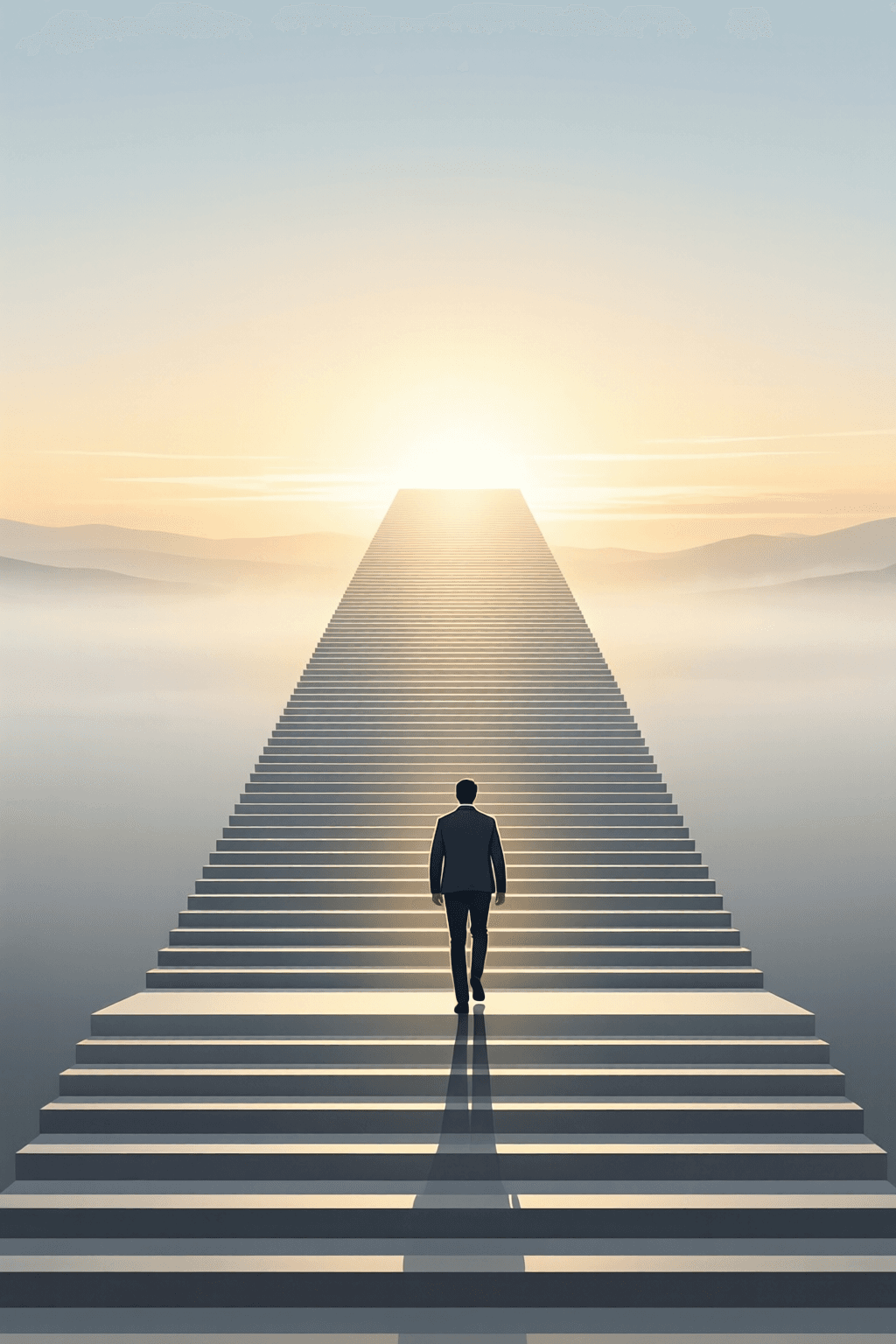
The only discipline that lasts is self-discipline. — Bum Phillips
—What lingers after this line?
The Core Claim of Endurance
At its heart, Bum Phillips’s remark argues that external pressures fade, but inner restraint remains. Rules can be imposed, motivation can surge and disappear, and praise can briefly energize us; however, self-discipline is the one force that continues working when no audience is present. In that sense, the quote shifts attention from temporary control to durable character. This is precisely why the statement feels so practical. A person may begin a task because of deadlines or fear, yet only self-discipline carries that effort through repetition, boredom, and setbacks. What lasts, Phillips suggests, is not the momentary push from outside but the habit of governing oneself from within.
Beyond Motivation and Talent
From there, the quote also challenges two modern idols: motivation and natural ability. Motivation is valuable, of course, but it is notoriously unstable; it rises with excitement and falls with fatigue. Talent can open doors, yet without disciplined practice it often stalls. By contrast, self-discipline turns uneven energy into reliable action. This idea appears repeatedly in athletic and artistic life. For example, John Wooden’s coaching philosophy, reflected in his talks and writings such as They Call Me Coach (1972), emphasized preparation and repeated fundamentals over emotional hype. The lesson is clear: those who endure are rarely the most inspired every day; instead, they are the ones who keep showing up.
A Habit That Builds Identity
Moreover, self-discipline lasts because it does more than complete tasks—it shapes identity. Each repeated act of restraint or effort quietly answers the question, “What kind of person am I?” Over time, waking early, practicing consistently, or keeping one’s word stops feeling like a forced performance and begins to feel like the natural expression of character. In this way, the quote points toward a deeper truth: discipline is not merely punishment or denial. Rather, it is a method of self-construction. Aristotle’s Nicomachean Ethics (4th century BC) similarly suggests that virtue is formed through repeated action. Phillips’s line echoes that tradition by implying that what endures in life is what we train ourselves to become.
Resilience in Unseen Moments
Just as importantly, self-discipline proves itself in moments no one else notices. Public success often attracts admiration, but the private choices behind it—finishing the workout, saving money, studying after failure, refusing distraction—are where lasting discipline is forged. Because these choices happen without applause, they reveal a strength that does not depend on recognition. Consider a simple everyday example: a student preparing for an exam long before panic sets in. There is no drama in that routine, yet it is exactly this quiet consistency that survives stress. Thus Phillips’s observation carries a subtle realism: the disciplines that rely on enforcement may crumble when supervision disappears, while self-discipline remains active even in solitude.
Freedom Through Restraint
Finally, the quote contains an apparent paradox: discipline, which sounds restrictive, is often the basis of freedom. A disciplined person has more command over time, attention, money, and impulse; as a result, he or she is less controlled by chaos or regret. What first feels like limitation eventually becomes capability. That is why Phillips’s statement endures beyond sports culture. It suggests that the strongest form of lasting power is self-rule. External systems may guide us for a while, but only self-discipline can sustain a life across changing moods and circumstances. In the end, the discipline that lasts is the one that has been internalized, becoming not a rule imposed from outside but a principle lived from within.
One-minute reflection
What does this quote ask you to notice today?
Related Quotes
6 selectedDiscipline is the highest form of self-love. It is the ability to choose what you want most over what you want right now. — Jim Rohn
Jim Rohn
At first glance, self-love is often associated with kindness, rest, or indulgence, yet Jim Rohn’s quote shifts the meaning in a more demanding direction. He argues that real care for oneself is not merely about feeling g...
Read full interpretation →Self-discipline is the magic power that makes you virtually unstoppable. — Dan Kennedy
Dan Kennedy
At first glance, Dan Kennedy’s quote sounds exaggerated, yet its force comes from a simple truth: disciplined people often achieve results that look extraordinary from the outside. What appears to be magic is usually rep...
Read full interpretation →Self-discipline is an act of cultivation. It requires you to connect today's actions to tomorrow's results. — Gary Ryan Blair
Gary Ryan Blair
Gary Ryan Blair’s statement reframes self-discipline not as punishment, but as cultivation. Like a gardener tending soil before any bloom appears, the disciplined person invests effort before evidence of success becomes...
Read full interpretation →The more you exercise your self-discipline, the stronger it gets. It is like a muscle that grows through the consistent choice to act, even when you would rather not. — Daniel Goldstein
Daniel Goldstein
Goldstein’s quote begins with a simple but powerful comparison: self-discipline is like a muscle. It does not appear fully formed, nor does it strengthen through intention alone.
Read full interpretation →Personal mastery is the discipline of continually clarifying and deepening our vision, focusing our energies, developing patience, and seeing reality objectively. — Peter Senge
Peter Senge
Peter Senge’s insight begins by framing personal mastery as a discipline rather than a fixed achievement. In The Fifth Discipline (1990), he presents it as an ongoing practice of growth, where people continually refine w...
Read full interpretation →The more self-discipline you have, the more you do the things you should do, the happier your future self will be. — Maxime Lagacé
Maxime Lagace
Maxime Lagacé’s quote frames self-discipline not as punishment, but as a quiet act of generosity toward the person we are becoming. Each difficult choice—saving money, exercising, studying, apologizing, or resting on tim...
Read full interpretation →More From Author
More from Bum Phillips →