
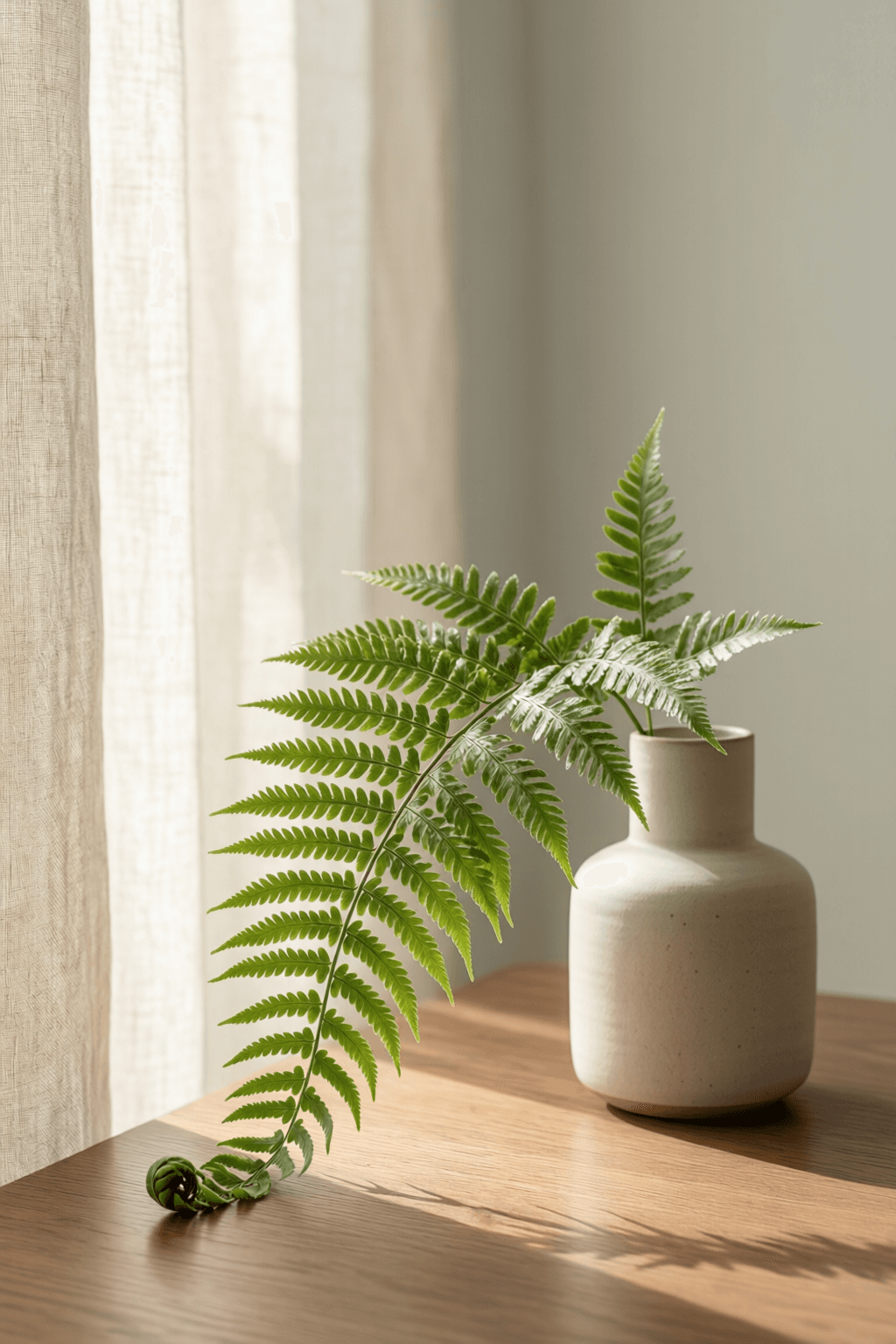
The art of living is not a desperate, hurried thing, but a quiet, steady unfolding. — Anne Morrow Lindbergh
—What lingers after this line?
A Rejection of Frenzied Living
At its core, Anne Morrow Lindbergh’s line resists the modern temptation to equate speed with meaning. By saying that living is not ‘desperate’ or ‘hurried,’ she challenges the anxious belief that a worthy life must be crammed with constant motion, urgent decisions, and visible achievement. Instead, she redirects our attention toward a calmer measure of value. In this way, her insight recalls the reflective tone of Lindbergh’s Gift from the Sea (1955), where she repeatedly advocates simplicity, inwardness, and balance. Life, she suggests, is not a race to be won but an experience to be inhabited, and that shift in emphasis changes everything that follows.
Why Unfolding Matters
From that starting point, the image of ‘unfolding’ becomes especially powerful. Unlike rushing or forcing, unfolding implies organic development, like a flower opening or a season gradually changing. It suggests that growth often happens in increments too subtle to notice in the moment, yet deeply transformative over time. Consequently, Lindbergh frames living as a process of becoming rather than a sequence of hurried accomplishments. This idea resonates with Ralph Waldo Emerson’s essays of self-reliance and inner development, which similarly portray a meaningful life as something cultivated from within rather than assembled through external pressures.
The Discipline of Steadiness
Yet the quote does not praise passivity; rather, it honors steadiness. To live ‘quiet’ and ‘steady’ is not to withdraw from responsibility but to meet life with composure and continuity. There is discipline in moving forward without panic, in trusting small faithful acts over dramatic bursts of effort. Seen this way, Lindbergh’s wisdom aligns with Stoic thought in Marcus Aurelius’ Meditations (c. 180 AD), where calm persistence is treated as a moral strength. The art of living, then, lies not in avoiding difficulty but in responding to it without surrendering one’s inner pace.
A Critique of Modern Urgency
Moreover, the quote feels strikingly contemporary because it speaks against cultures of productivity and permanent acceleration. In many settings, people are praised for being busy to the point of exhaustion, as if hurry itself were evidence of purpose. Lindbergh quietly dismantles that assumption by implying that desperation actually distorts life rather than deepening it. This concern has been echoed by later thinkers such as Carl Honoré in In Praise of Slowness (2004), which argues that constant speed erodes attention, health, and joy. In that sense, Lindbergh’s sentence is not merely lyrical; it is corrective, inviting a more humane tempo.
Inner Peace as a Way of Practice
As the thought develops, it also points toward a practical philosophy of daily life. A quiet unfolding requires patience with uncertainty, acceptance of limits, and trust that not every answer must come immediately. Such a life is shaped less by dramatic control than by attentive presence—showing up, listening closely, and allowing experience to ripen in its own time. Here one might think of Thich Nhat Hanh’s teachings in Peace Is Every Step (1991), where ordinary acts like walking or breathing become occasions for full awareness. Lindbergh’s art of living similarly begins in the modest moments, where peace is not postponed but practiced.
The Grace of a Life Gently Lived
Finally, Lindbergh’s words offer reassurance that a meaningful life need not appear spectacular from the outside. Its beauty may lie precisely in its gradualness: in relationships deepened over years, character shaped by repeated choices, and wisdom gathered through attentive seasons. What unfolds quietly can still become profound. Thus, the quote leaves us with a graceful standard for living. Rather than chasing life in fear of falling behind, we are invited to participate in it with steadiness and trust. In that gentler rhythm, the art of living becomes less a performance of urgency and more a faithful, human unfolding.
One-minute reflection
What feeling does this quote bring up for you?
Related Quotes
6 selectedThe craft of living is a slow art, requiring the courage to be ordinary and the patience to be consistent. — Parker Palmer
Parker Palmer
Parker Palmer’s line frames living not as a sudden achievement but as a craft, something formed through repetition, attention, and humility. By calling it a “slow art,” he shifts the focus away from dramatic breakthrough...
Read full interpretation →Sometimes you have to slow down to go fast. — Jeff Olson
Jeff Olson
Jeff Olson’s line begins with a practical paradox: speed is not always created by rushing. Sometimes the quickest path forward requires pausing long enough to see the road clearly, correct mistakes early, and choose acti...
Read full interpretation →Everything that is great in life is the product of slow growth; the newer, and greater, and higher, and nobler the work, the slower is its growth. — William George Jordan
William George Jordan
William George Jordan’s reflection begins with a quiet but demanding truth: the most meaningful achievements rarely arrive quickly. He suggests that greatness is not manufactured in sudden bursts but cultivated through t...
Read full interpretation →You cannot force ideas. Successful ideas are the result of slow growth. — Alexander Graham Bell
Alexander Graham Bell
Alexander Graham Bell’s statement begins with a quiet warning against impatience: ideas cannot be commanded into maturity simply because we desire results. Like plants, they require conditions, time, and repeated attenti...
Read full interpretation →The moments between your milestones are not filler. — Nelou Keramati
Nelou Keramati
Nelou Keramati’s line challenges the habit of treating life as a sequence of major checkpoints: graduations, promotions, weddings, moves, and visible successes. At first glance, everything between these events can seem l...
Read full interpretation →Roses do not bloom hurriedly; for beauty, like any masterpiece, takes time to blossom. — Matshona Dhliwayo
Matshona Dhliwayo
At its heart, Matshona Dhliwayo’s quote reminds us that true beauty cannot be forced. A rose does not rush toward bloom, nor does it apologize for the time required to unfold.
Read full interpretation →More From Author
More from Anne Morrow Lindbergh →Difficulty is the first step towards a new journey. — Anne Morrow Lindbergh
This quote implies that difficulties are not barriers but necessary catalysts that push us toward new opportunities and experiences. Every challenge we face marks the beginning of a new phase in our lives.
Read full interpretation →Arranging a bowl of flowers in the morning can give a sense of quiet in a crowded day. — Anne Morrow Lindbergh
The quote highlights how simple activities, like arranging flowers, can bring a sense of calm and order to our daily lives. Small rituals create moments of peace within a busy schedule.
Read full interpretation →As we risk ourselves, we gain courage and confidence in the future. — Anne Morrow Lindbergh
The quote implies that personal growth stems from taking risks. By stepping out of our comfort zones, we develop new strengths and capabilities.
Read full interpretation →One cannot collect all the beautiful shells on the beach. One can collect only a few, and they are more beautiful if they are few. — Anne Morrow Lindbergh
Anne Morrow Lindbergh’s evocative quote uses beachcombing as a metaphor for life’s endless possibilities. Every shell on the shore represents choices, experiences, or treasures we might wish to collect, yet the sheer abu...
Read full interpretation →