
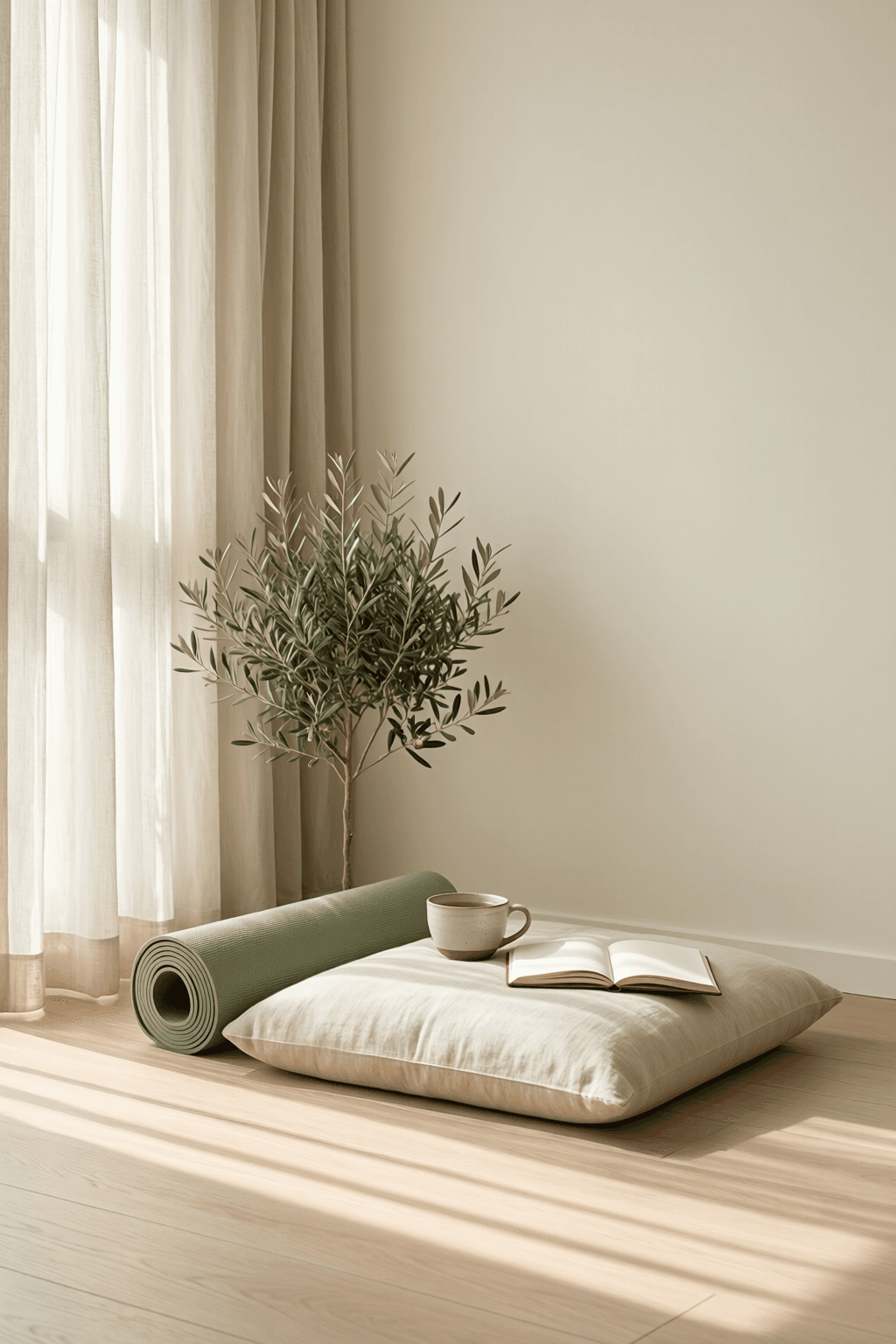
Taking time out each day to relax and renew is essential to living well. — Judith Hanson Lasater
—What lingers after this line?
The Wisdom of Pausing
Judith Hanson Lasater’s words begin with a simple but often neglected truth: well-being is not sustained by effort alone. To live well, a person must also step back, soften, and allow the body and mind to recover. In this sense, relaxation is not an escape from life but a necessary part of participating in it fully.
Rest as an Active Practice
From there, the quote invites us to rethink rest as something more intentional than idleness. Lasater, known for her work in restorative yoga, has long emphasized that renewal requires conscious attention, not merely the absence of activity. A few quiet minutes, a gentle stretch, or a mindful breath can become a daily act of care.
The Body’s Need for Renewal
This idea is supported by modern stress research, which shows that chronic tension affects sleep, digestion, mood, and immunity. Hans Selye’s work on stress in the twentieth century helped popularize the understanding that the body cannot remain in a state of constant strain without consequences. Daily relaxation, therefore, becomes a practical form of prevention.
A Counterbalance to Busyness
At the same time, Lasater’s message speaks directly to a culture that often equates worth with productivity. Many people postpone rest until exhaustion forces it upon them, treating renewal as a reward rather than a requirement. Her statement gently reverses that habit, suggesting that regular pauses make meaningful work and relationships more sustainable.
Small Rituals with Lasting Effects
In practice, daily renewal does not need to be elaborate. It might mean sitting quietly before checking a phone, taking a walk after lunch, practicing restorative yoga, or ending the evening with slow breathing. Over time, these modest rituals create a rhythm that helps the nervous system settle and the mind regain clarity.
Living Well Through Balance
Ultimately, the quote frames relaxation as an essential ingredient of a balanced life. To renew oneself each day is to acknowledge human limits with kindness rather than frustration. By making space for rest, we do not fall behind; instead, we return to life with greater presence, steadiness, and vitality.
One-minute reflection
What's one small action this suggests?
Related Quotes
6 selectedNervous system regulation is the new mental fitness. You cannot pour from an empty cup, nor can you build a sanctuary while the world is still burning. — April Koh
April Koh
April Koh’s quote reframes wellness by suggesting that mental fitness is no longer just about discipline, productivity, or positive thinking. Instead, it begins with the body’s capacity to return to steadiness after stre...
Read full interpretation →You can't pour from an empty cup. Take care of yourself first. — Arianna Huffington
Arianna Huffington
At its heart, Arianna Huffington’s line turns self-care into an image anyone can understand: a cup cannot nourish others if it has nothing left to give. The metaphor is gentle, but its message is firm.
Read full interpretation →Do not let your mind bully your body into believing it must carry the weight of the world. — Astrid Alauda
Astrid Alauda
Astrid Alauda’s quote speaks with the calm urgency of a reminder many people need: the mind can become a harsh taskmaster. It creates stories of obligation, guilt, and endless responsibility, then persuades the body to l...
Read full interpretation →The most loving thing I ever did was say no to things that were killing me slowly. — Prentis Hemphill
Prentis Hemphill
At first glance, Hemphill’s line sounds simple, yet it redefines love as an act of protection rather than mere tenderness. Saying no becomes the deepest form of care when a person recognizes that certain habits, relation...
Read full interpretation →Setting boundaries is the way we care for ourselves. It is not a way to push others away, but a way to keep ourselves whole. — Melody Beattie
Melody Beattie
At its core, Melody Beattie’s statement reframes boundaries as an act of care rather than rejection. People often fear that saying no, asking for space, or naming limits will appear cold; however, Beattie suggests the op...
Read full interpretation →Your body remembers every moment you ignored yourself. Let today be different. — Morgan Harper Nichols
Morgan Harper Nichols
At first glance, Morgan Harper Nichols’s line suggests that the body is more than a physical shell; it is a living archive of our habits, hurts, and silences. Every time a person overrides exhaustion, suppresses grief, o...
Read full interpretation →More From Author
More from Judith Hanson Lasater →