
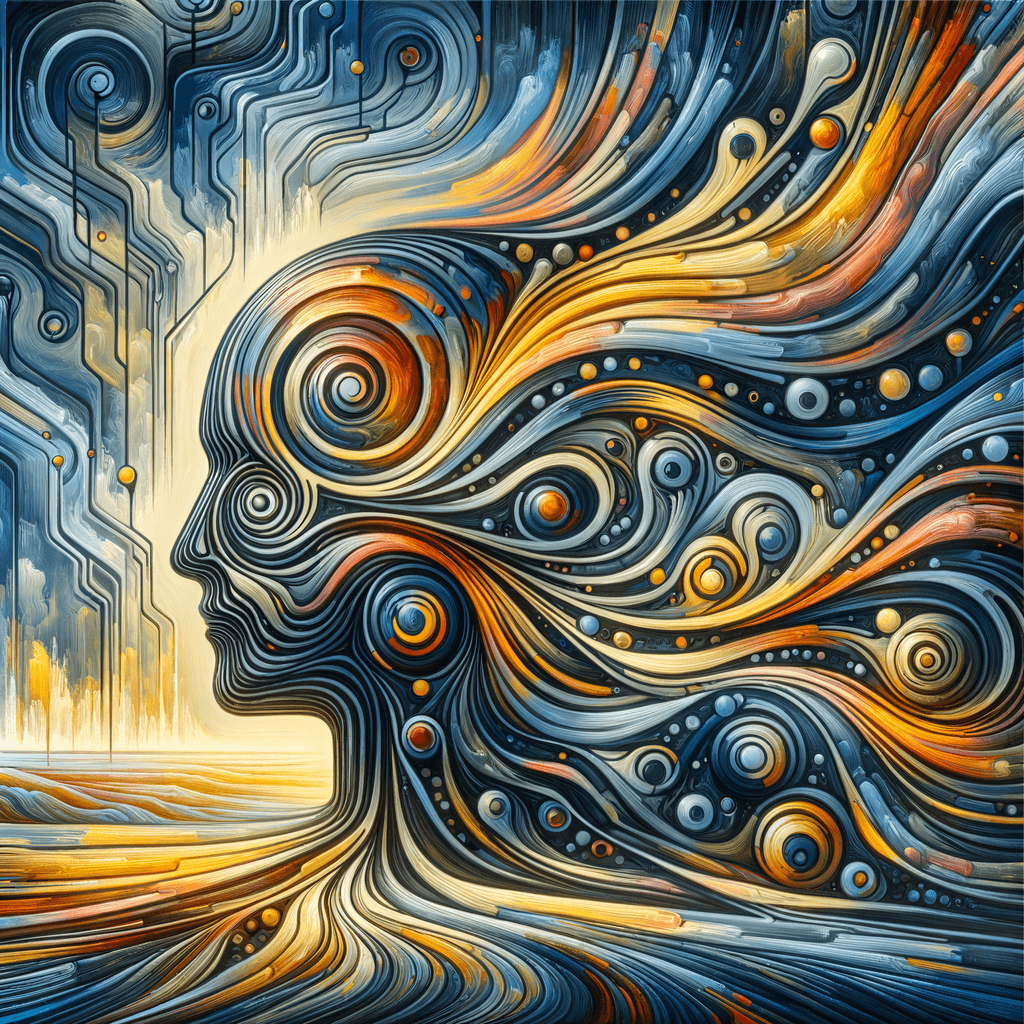
Intelligence is the ability to adapt to change. — Stephen Hawking, United Kingdom.
—What lingers after this line?
Definition of Intelligence
Hawking's quote expands the traditional definition of intelligence to include the capacity to adjust one's thinking and behavior in response to new circumstances, thereby redefining intelligence as a dynamic attribute.
Importance of Flexibility
The ability to adapt to change signifies mental flexibility, allowing individuals to navigate life's challenges and uncertainties, making adaptability a crucial component of being intelligent.
Real-World Application
In rapidly changing environments—such as in technology, science, and society—those who can adapt their knowledge and approach are often more successful and effective.
Resilience
Adaptability is closely related to resilience. The capacity to bounce back from setbacks and learn from them reflects an intelligent response to the complexities of life.
Stephen Hawking's Influence
As a renowned theoretical physicist and cosmologist, Hawking’s insights on intelligence stem from his own experiences with adversity, showcasing how intellect is not just about knowledge but also about the agility of thought.
One-minute reflection
Why might this line matter today, not tomorrow?
Related Quotes
6 selectedThe artist is not a solid, static being. The artist is fluid, like water, moving with the tides and changing form. — James McCrae
James McCrae
James McCrae’s image of the artist as fluid immediately challenges the common idea that creative people possess a single, fixed essence. Instead, he suggests that artistry is a process of becoming, not a stable condition...
Read full interpretation →Creativity is intelligence having fun. — George Scialabba
George Scialabba
At first glance, George Scialabba’s line turns creativity into something disarmingly simple: intelligence at play. Rather than presenting invention as grim labor or mystical inspiration, the quote suggests that original...
Read full interpretation →The mind adapts and converts to its own purposes the obstacle to our acting. — Marcus Aurelius
Marcus Aurelius
At its heart, Marcus Aurelius’s line expresses a central Stoic conviction: external events do not fully determine our lives; rather, our judgments about them shape what they become. In his Meditations (c.
Read full interpretation →Adaptability is not imitation. It means power of resistance and assimilation. — Rabindranath Tagore
Rabindranath Tagore
At the heart of Tagore’s statement lies a careful distinction between changing and merely copying. Adaptability, he argues, is not the passive act of becoming like one’s surroundings; rather, it is an active power that a...
Read full interpretation →The capacity to change one's mind in the face of new reality is the highest form of intelligence. — Ursula K. Le Guin
Ursula K. Le Guin
At first glance, Ursula K. Le Guin’s statement shifts intelligence away from raw knowledge and toward responsiveness.
Read full interpretation →Our only security is our ability to change. — John Lilly
John Lilly
At first glance, John Lilly’s statement sounds contradictory: security usually implies stability, while change suggests uncertainty. Yet his insight reverses that assumption by arguing that real safety does not come from...
Read full interpretation →More From Author
More from Stephen Hawking, United Kingdom. →