
Tomorrow Is Often the Busiest Day of the Week - Spanish Proverb
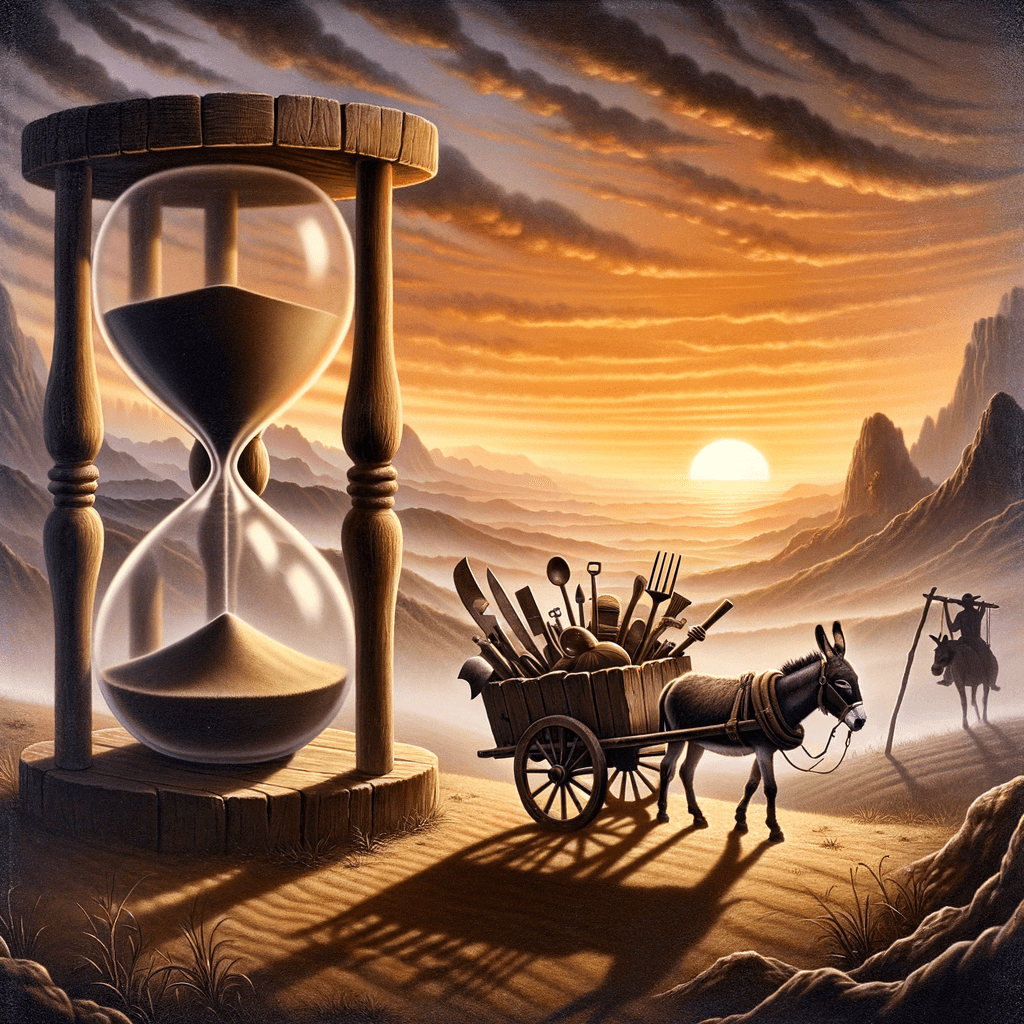
Tomorrow is often the busiest day of the week. — Spanish Proverb
—What lingers after this line?
Procrastination
This proverb highlights the tendency of individuals to postpone tasks and responsibilities. It reflects how people often plan to accomplish things 'tomorrow', only to find themselves overwhelmed with work.
Time Management
It underscores the importance of managing time effectively. By continually pushing tasks to the next day, one may create an overly busy schedule that leads to stress and inefficiency.
Human Nature
The saying also touches on a fundamental aspect of human behavior, where the allure of tomorrow leads to a cycle of deferring responsibilities, suggesting that today’s tasks are easier to avoid or ignore.
Preparation and Planning
It serves as a reminder that proper planning and preparation should happen today rather than waiting for an often busier tomorrow. Effective action taken today can alleviate a heavier burden in the future.
Cultural Insight
As a Spanish proverb, it reflects cultural attitudes towards work and punctuality. Proverbs often encapsulate wisdom and shared experiences of societies, emphasizing common challenges faced universally.
Recommended Reading
As an Amazon Associate, we earn from qualifying purchases.
One-minute reflection
What's one small action this suggests?
Related Quotes
6 selectedThe moment you begin apologizing for how you manage your time, you are essentially apologizing for your priorities. — Cal Newport
Cal Newport
Cal Newport’s line reframes a common social reflex: saying “sorry I’m so busy” or “sorry I didn’t reply sooner” often isn’t about time at all—it’s about what we chose to do with it. Because time is the medium through whi...
Read full interpretation →I like work; it fascinates me. I can sit and look at it for hours. — Jerome K. Jerome
Jerome K. Jerome
Jerome K. Jerome’s quip turns a familiar virtue—loving work—into a sly confession: he loves it most as a spectator.
Read full interpretation →Lack of direction, not lack of time, is the problem. — Zig Ziglar
Zig Ziglar
Zig Ziglar’s line flips a common complaint on its head: most people don’t actually lack time; they lack a clear aim for the time they already have. When direction is missing, hours get spent reacting—scrolling, answering...
Read full interpretation →The work you do when you procrastinate is probably the work you should be doing for the rest of your life. — Jessica Hische
Jessica Hische
Jessica Hische’s line flips a familiar guilt script into a diagnostic tool: instead of treating procrastination as pure failure, it asks what you drift toward when no one is watching. The “work you do when you procrastin...
Read full interpretation →Work is the greatest thing in the world, so we should always save some of it for tomorrow. — Don Herold
Don Herold
Don Herold’s line works because it praises work while quietly advocating delay. By calling work “the greatest thing in the world,” he borrows the language of earnest virtue, only to pivot into an excuse for putting tasks...
Read full interpretation →Eat a live frog first thing in the morning and nothing worse will happen to you the rest of the day. — Mark Twain
Mark Twain
Mark Twain’s line is meant to jolt: the grotesque image of eating a live frog isn’t culinary advice but a metaphor for confronting the most unpleasant task first. By exaggerating the discomfort, Twain makes the underlyin...
Read full interpretation →More From Author
More from Spanish Proverb →He who wants to do something will find a way; he who does not will find an excuse. - Spanish Proverb
This proverb highlights the power of determination. Those who are committed to achieving a goal will do whatever it takes to succeed, finding solutions to any problems that arise.
Read full interpretation →He who wants to do something finds a way; he who does not want to do anything finds an excuse. - Spanish Proverb
This proverb underscores the importance of determination. It suggests that a person who is truly motivated will overcome obstacles and find ways to achieve their goals, while someone lacking motivation will find or inven...
Read full interpretation →He who wants music, seeks out the musicians. He who wants to achieve perfection, seeks out the wise. – Spanish proverb
The proverb emphasizes the importance of seeking out those who possess the expertise and skills you wish to learn or attain. Just as one would turn to musicians to hear music, one should turn to the wise to gain knowledg...
Read full interpretation →He who does not venture does not cross the sea. - Spanish Proverb
This proverb emphasizes that to achieve significant success or reach important goals, one must be willing to take risks. Without taking a chance, one will remain in the same place and miss opportunities.
Read full interpretation →