
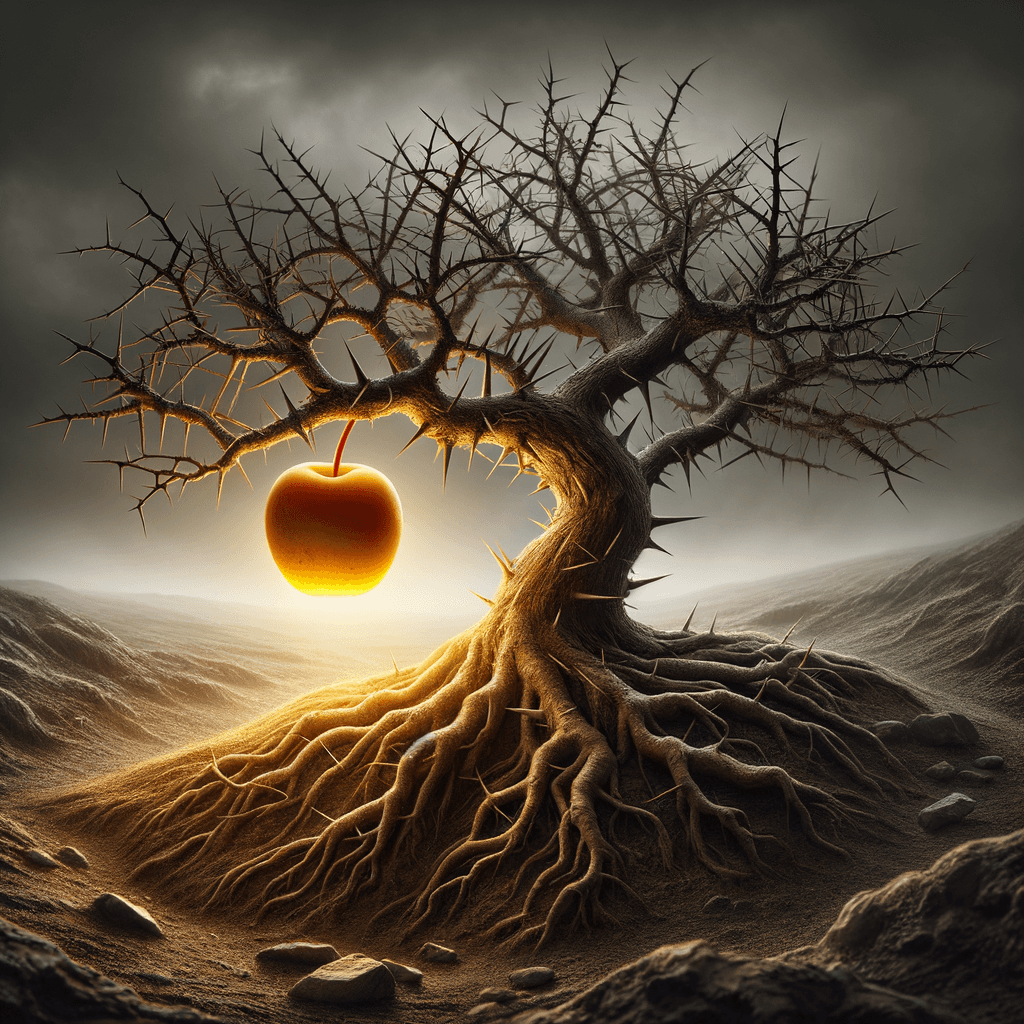
Patience is bitter, but its fruit is sweet. — Jean-Jacques Rousseau
—What lingers after this line?
Struggles of Patience
This quote acknowledges that the process of being patient can be unpleasant, challenging, and difficult to endure. Patience often requires sacrifice and waiting, which can create a sense of bitterness or frustration.
Rewards of Endurance
Although patience may be tough in the moment, Rousseau suggests that the outcomes it brings—such as success, wisdom, or personal growth—are ultimately rewarding and fulfilling, much like sweet fruit after a long wait.
Delayed Gratification
This quote emphasizes the idea of delayed gratification. Many worthwhile achievements or pleasures in life require time and perseverance. Patience allows for the cultivation of better results, even if the process is tough.
Character Development
Rousseau implies that practicing patience builds inner strength and maturity. The 'bitter' experience of waiting plays a crucial role in personal growth, helping individuals to remain resilient and focused on long-term benefits.
Philosophical and Historical Context
Jean-Jacques Rousseau was an 18th-century philosopher whose works explored issues of human nature, society, and ethics. His writings often emphasized the importance of virtue, and this quote reflects his belief in the inherent rewards of cultivating good moral qualities, such as patience.
One-minute reflection
What feeling does this quote bring up for you?
Related Quotes
6 selectedImpatience with actions, patience with results. — Naval Ravikant
Naval Ravikant
Naval Ravikant’s line splits life into two tempos: the urgency of doing and the serenity of waiting. On the surface it sounds like a contradiction, yet it captures a practical discipline—move decisively when something is...
Read full interpretation →Patience is not passive waiting. Patience is active acceptance of the process required to attain your goals and dreams. — Ray Davis
Ray Davis
Ray Davis’s words begin by correcting a common misunderstanding: patience is not the same as doing nothing. Passive waiting suggests resignation, as if time alone will deliver success.
Read full interpretation →Slow progress today is often stable progress tomorrow. Fast growth collapses easily. Slow growth holds. — Timeless Type
Timeless Type
At first glance, slow progress can feel discouraging, especially in a culture that praises speed, sudden breakthroughs, and visible success. Yet the quote reminds us that what seems unimpressive today may become the foun...
Read full interpretation →Sometimes you have to slow down to go fast. — Jeff Olson
Jeff Olson
Jeff Olson’s line begins with a practical paradox: speed is not always created by rushing. Sometimes the quickest path forward requires pausing long enough to see the road clearly, correct mistakes early, and choose acti...
Read full interpretation →Everything that is great in life is the product of slow growth; the newer, and greater, and higher, and nobler the work, the slower is its growth. — William George Jordan
William George Jordan
William George Jordan’s reflection begins with a quiet but demanding truth: the most meaningful achievements rarely arrive quickly. He suggests that greatness is not manufactured in sudden bursts but cultivated through t...
Read full interpretation →You cannot force ideas. Successful ideas are the result of slow growth. — Alexander Graham Bell
Alexander Graham Bell
Alexander Graham Bell’s statement begins with a quiet warning against impatience: ideas cannot be commanded into maturity simply because we desire results. Like plants, they require conditions, time, and repeated attenti...
Read full interpretation →More From Author
More from Jacques Rousseau →There is no greater wisdom than kindness. — Jean-Jacques Rousseau
Jean-Jacques Rousseau’s assertion that kindness is the highest form of wisdom invites us to reconsider conventional ideas about intellect. Rather than valuing knowledge for its own sake, Rousseau emphasizes the practical...
Read full interpretation →To be truly rich, you must have the courage to be poor. — Jean-Jacques Rousseau
Jean-Jacques Rousseau’s provocative statement challenges our conventional views of wealth. Rather than equating true riches with material abundance, he suggests that genuine wealth is rooted in the willingness—or courage...
Read full interpretation →