
Courage Is the Art of Being the Only One Who Knows You're Scared – Harold Wilson
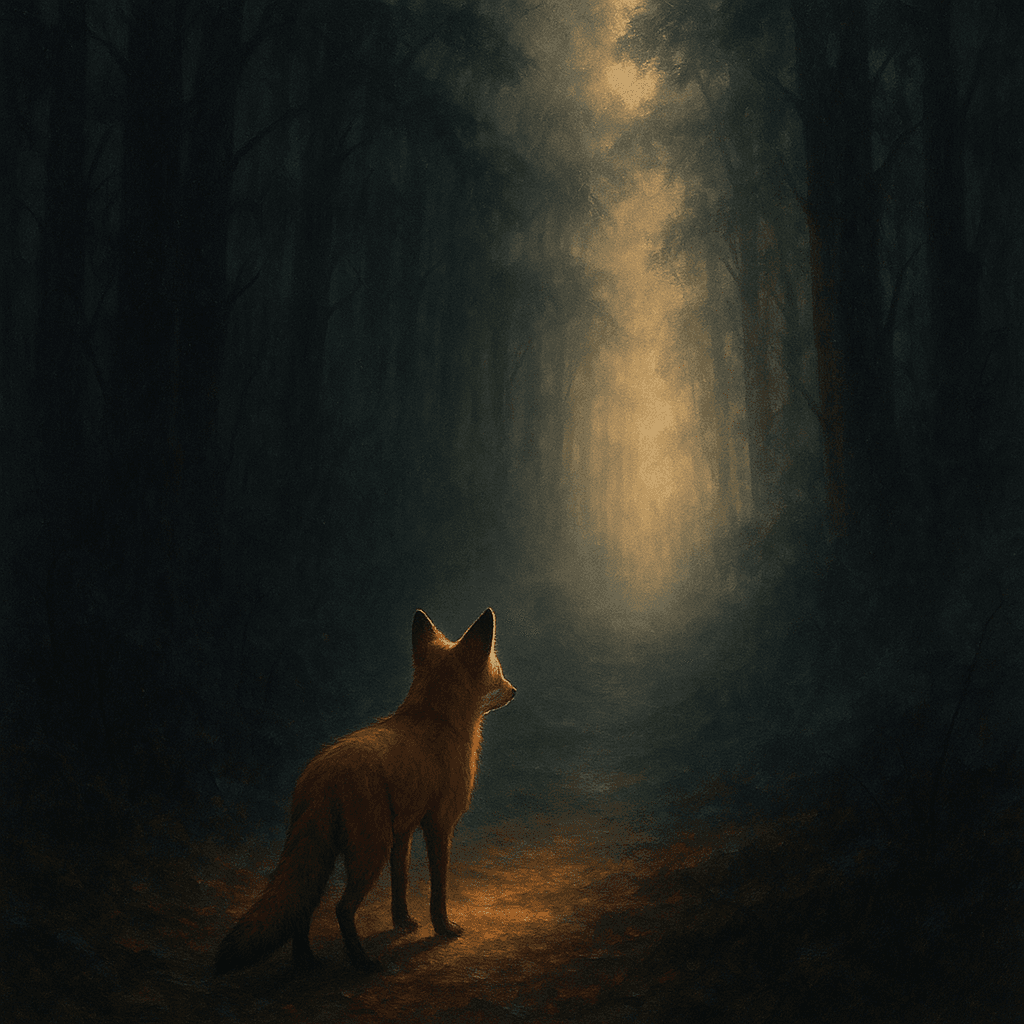
Courage is the art of being the only one who knows you're scared. — Harold Wilson
—What lingers after this line?
Redefining Courage
Wilson’s remark challenges the conventional image of fearlessness, suggesting that true courage is not the absence of fear, but the mastery of concealing it. This concept aligns with Maya Angelou’s perspective: 'Courage is the most important of all the virtues because without courage, you can't practice any other virtue consistently.'
Emotional Self-Control
Displaying composure during fearful moments requires substantial emotional regulation. For example, Franklin D. Roosevelt famously reassured a nation by saying, 'The only thing we have to fear is fear itself' in his inaugural address (1933), masking his own anxieties in order to project strength.
Leadership Under Pressure
Harold Wilson implies that effective leaders must often hide their anxieties to inspire confidence in others. During the Cuban Missile Crisis, President John F. Kennedy demonstrated calm determination for the public, though private records show he was deeply troubled (Robert F. Kennedy, *Thirteen Days*, 1969).
Performance and Perception
Courage is partly a performance: those who appear brave influence others’ morale, even if that appearance is carefully maintained. In J.R.R. Tolkien’s *The Lord of the Rings*, Samwise Gamgee often acts bravely in front of Frodo, even when inwardly terrified, to bolster Frodo’s resolve.
Personal Empowerment and Growth
Wilson’s insight empowers individuals to act bravely despite feeling scared. Many artists and speakers, such as Adele, have spoken about stage fright but still take the stage, showing that courage can coexist with hidden fear (NPR, 'Adele on Stage Fright', 2015).
Recommended Reading
One-minute reflection
Where does this idea show up in your life right now?
Related Quotes
6 selectedRarely are we more exposed than when we are being kind. — James Baldwin
James Baldwin
At first glance, Baldwin’s line appears simple, yet it quickly reveals a harder truth: kindness is never merely polite behavior. When we are kind, we lower our defenses and allow another person to see what we value, what...
Read full interpretation →To be human is to become visible while carrying what is hidden as a gift to others. — David Whyte
David Whyte
David Whyte’s line begins with a deceptively simple claim: to be human is not merely to exist, but to “become visible.” Visibility here is less about attention and more about presence—showing up in relationships, work, a...
Read full interpretation →Courage is less about fearlessness than training the mind to act with clarity and conviction. — Ranjay Gulati
Ranjay Gulati
Ranjay Gulati’s line begins by overturning a common myth: that courage belongs to people who simply don’t feel afraid. Instead, he frames fear as normal—and even expected—while locating courage in what happens next.
Read full interpretation →You go naked until you die. — Nikki Giovanni
Nikki Giovanni
Nikki Giovanni’s line lands with the bluntness of a fact we rarely face head-on: from our first breath to our last, we ultimately own very little. Although clothing, titles, and accomplishments feel like armor, the quote...
Read full interpretation →Dare to begin where fear says to stop; the first step redraws the map — Paulo Coelho
Paulo Coelho
Paulo Coelho’s line treats fear less as a warning and more as a border we mistakenly accept as permanent. When fear says “stop,” it often isn’t pointing to actual danger; it’s signaling uncertainty, inexperience, or the...
Read full interpretation →Create boundaries. Honor your limits. Say no. Take a break. Let go. Stay grounded. Nurture your body. Love your vulnerability. — Aletheia Luna
Aletheia Luna
Aletheia Luna opens with “Create boundaries,” framing wellbeing not as a vague intention but as a concrete practice. Boundaries are the lines that clarify what you will and won’t accept—how you spend your time, what you...
Read full interpretation →More From Author
More from Harold Wilson →