
Discovering Joy Through the Power of Resistance
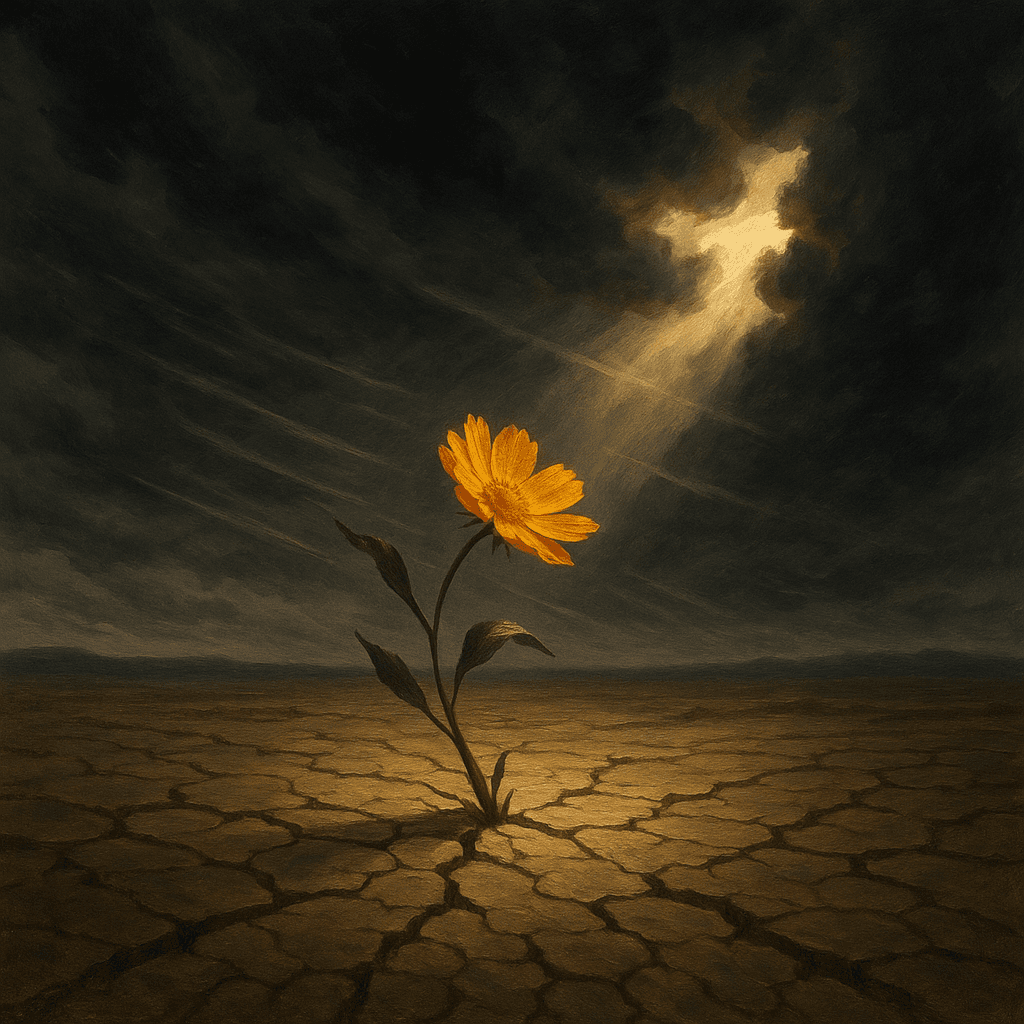
Resistance is the secret to joy. — Rainer Maria Rilke
—What lingers after this line?
Interpreting Rilke’s Paradox
Rainer Maria Rilke’s assertion that ‘resistance is the secret to joy’ presents a compelling paradox. At first glance, resistance might conjure images of struggle or adversity—hardly the direct path to happiness. Yet Rilke hints that it is precisely through overcoming obstacles that one accesses deeper fulfillment. This perspective compels us to view joy not as mere pleasure, but as a hard-won triumph.
Historical Examples of Resistance Breeding Fulfillment
Tracing this idea back through history, stories abound in which resistance forges character and ultimately joy. Consider the journey of Odysseus in Homer’s *Odyssey*, where ceaseless resistance—against tempests, monsters, and temptation—fulfills him not just with homecoming, but with profound self-understanding. Such narratives remind us that adversity can be the crucible from which joy emerges.
Creative Endeavor as Joy Found in Struggle
Rilke himself, as a poet, embodied resistance in the act of creation. In his *Letters to a Young Poet* (1903–1908), he counsels embracing difficulties, arguing they are essential for authentic artistic expression. Through the struggle to shape fleeting emotion into lasting verse, Rilke illuminates how creative resistance offers incomparable satisfaction—a joy that emerges not in spite of difficulty, but through it.
Psychological Perspectives on Overcoming Adversity
Modern psychology supports Rilke’s insight, highlighting how resilience and perseverance contribute to well-being. Research on post-traumatic growth, such as studies by Tedeschi and Calhoun (1996), show that confronting and overcoming significant challenges can result not only in personal development but also in newfound happiness. In this way, resistance is recast as a necessary ingredient for lasting joy.
Building a Meaningful Life Through Resistance
Ultimately, Rilke’s statement invites us to reconsider the nature of joy. Rather than a fleeting or passive state, joy results from the ongoing act of engagement and resistance—whether against external obstacles or internal doubts. Just as athletes rejoice after rigorous training and scholars after difficult research, our deepest joys often crown our moments of greatest resistance, weaving adversity into a fabric of meaning.
Recommended Reading
As an Amazon Associate, we earn from qualifying purchases.
One-minute reflection
What does this quote ask you to notice today?
Related Quotes
6 selectedJoy is the compass pointing to your true north. — Rainer Maria Rilke
Rainer Maria Rilke
Rainer Maria Rilke’s metaphor positions joy as a personal compass, suggesting that the truest direction for a person’s life is revealed through what brings genuine happiness. Unlike fleeting pleasure, joy is presented he...
Read full interpretation →Joy is the greatest act of resistance. — Valarie Kaur
Valarie Kaur
Valarie Kaur’s line turns a feeling into a stance: joy is not merely a private mood but a public refusal to be reduced by injustice. Rather than treating happiness as naïve, she suggests joy can be chosen with clear eyes...
Read full interpretation →Resistance leads to revelation. — Rumi
Rumi
Rumi’s succinct statement, 'Resistance leads to revelation,' encapsulates a profound truth about human growth and self-discovery. Rather than viewing resistance—whether in the form of internal struggle or external obstac...
Read full interpretation →Joy does not require that your life be going well. It asks only that you notice, briefly, that something is good. — Ludmila N. Praslova
Ludmila N. Praslova
Praslova’s line gently unties joy from the usual scoreboard of “Is my life going well?” Instead of treating joy as a final judgment on circumstances, she frames it as something smaller and more available: a brief recogni...
Read full interpretation →Rest is a form of resistance against a world that demands your exhaustion. — Tricia Hersey
Tricia Hersey
Tricia Hersey’s line begins by flipping a familiar moral script: instead of praising constant output, it frames rest as a deliberate refusal. In a culture that often treats busyness as proof of worth, exhaustion becomes...
Read full interpretation →Rest is a form of resistance — Tricia Hersey
Tricia Hersey
Tricia Hersey’s claim that “Rest is a form of resistance” flips a familiar moral script. Instead of treating exhaustion as proof of virtue and constant productivity as the default measure of worth, she presents rest as a...
Read full interpretation →More From Author
More from Rainer Maria Rilke →And now let us believe in a long year that is given to us, new, untouched, full of things that have never been. — Rainer Maria Rilke
Rilke opens by shifting the tone from planning to believing: the year is “given to us,” implying something received rather than conquered. This framing matters because it replaces the pressure of achievement with the hum...
Read full interpretation →The purpose of life is to be defeated by greater and greater things. — Rainer Maria Rilke
Rainer Maria Rilke’s line treats “defeat” not as failure to avoid, but as a destination worth moving toward. The purpose of life, in this view, is measured by what can humble us—truths, beauties, responsibilities, or ide...
Read full interpretation →Dance with difficulty until it yields a new rhythm of strength. — Rainer Maria Rilke
Rilke’s line reframes difficulty from something to defeat into something to move with. To “dance” implies contact, attention, and responsiveness—an active relationship rather than a battle of will.
Read full interpretation →Stay curious like a child; questions open doors that answers try to lock — Rainer Maria Rilke
Rilke’s line urges a posture toward life that favors inquiry over conclusion. To “stay curious like a child” is not to be naïve, but to remain receptive—willing to admit what you don’t know and to approach the familiar a...
Read full interpretation →