
Seeking New Horizons: The Soul’s Response to Pain
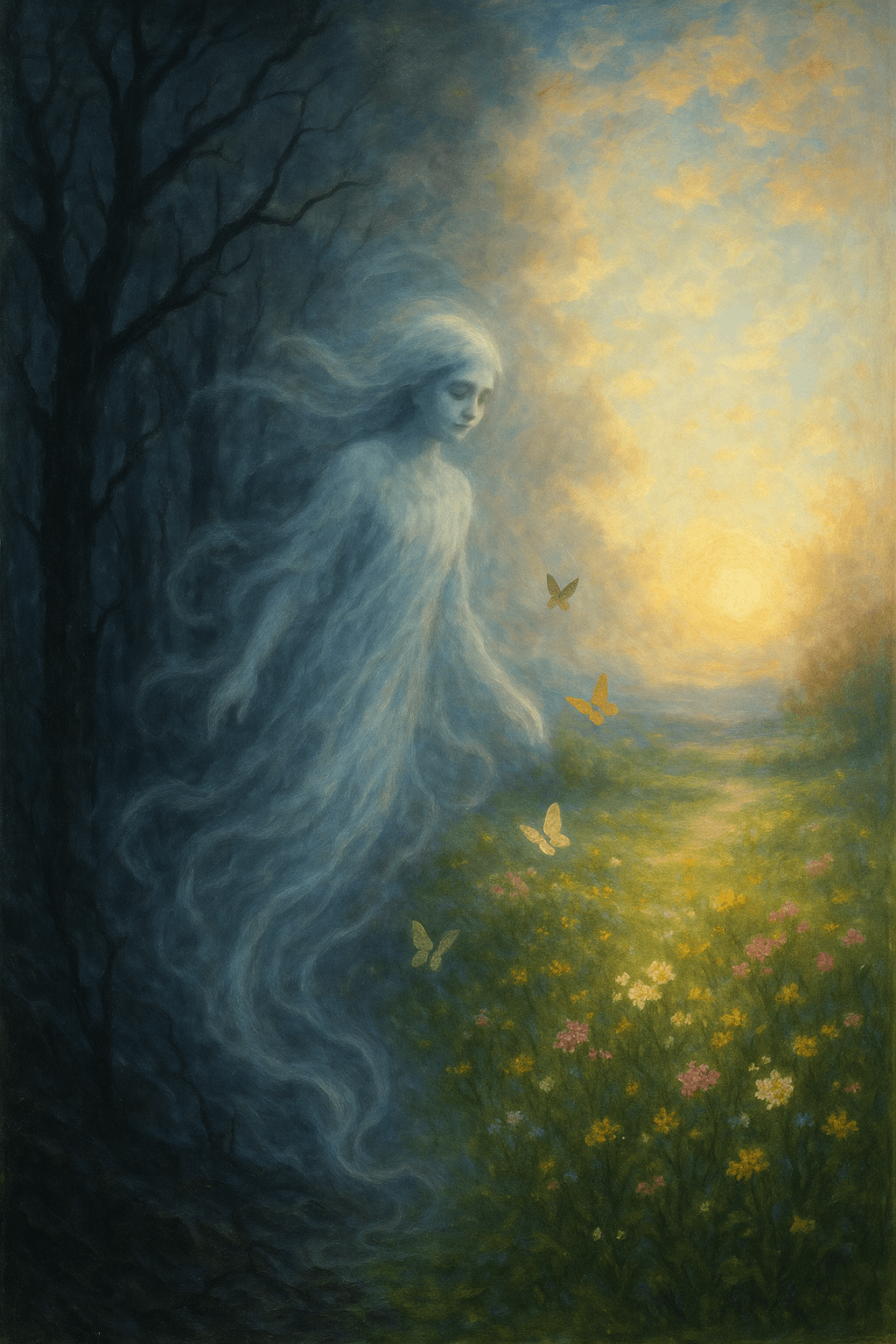
When the soul suffers too much, it seeks a change of scenery. — Anaïs Nin
—What lingers after this line?
The Nature of Soulful Suffering
Anaïs Nin’s poignant observation begins by acknowledging the profound impact of suffering on the soul. Unlike physical pain, soulful anguish runs deeper, permeating one’s sense of self and perspective. This emotional suffering might arise from heartbreak, loss, routine monotony, or existential crisis. In such moments, the familiar becomes unbearable, prompting a natural longing for relief or escape.
Change as a Mechanism of Healing
Building upon the soul’s distress, Nin suggests that a change of scenery offers a potential remedy. This doesn’t always refer to a physical relocation; rather, it encompasses any significant alteration—be it surroundings, company, or daily routine—that disrupts the patterns feeding one’s pain. Echoing this, Marcel Proust in ‘In Search of Lost Time’ (1913) writes of travel and novelty as catalysts for new perceptions, helping wounded spirits rediscover meaning.
Historical and Literary Journeys for Renewal
Throughout history, individuals have sought transformation through journeys, both literal and metaphorical. Odysseus in Homer’s ‘Odyssey’ embarks on a long voyage that serves not only as a quest for home but as a means to heal from the traumas of war. In a similar vein, modern memoirs—like Cheryl Strayed’s ‘Wild’ (2012)—demonstrate how confronting new landscapes enables personal recovery, supporting Nin’s insight into the soul’s resilience.
Psychological Basis for Seeking Change
Transitioning from literary examples, modern psychology supports the idea that change can interrupt negative thought cycles associated with suffering. Cognitive behavioral therapy, for example, often employs methods to alter routines or thought patterns, facilitating emotional relief. The environment, psychologists argue, can significantly influence mood and motivation, explaining why shifts in scenery—physical or otherwise—may ease the soul’s burden.
Embracing Renewal Without Escapism
As we follow this thread, it is crucial to recognize the difference between seeking change as renewal and fleeing problems. Nin’s wisdom does not advocate simple avoidance; rather, it points to the restorative power of movement and possibility. By embracing new horizons with mindfulness, individuals allow themselves space to heal, adapt, and ultimately grow—a testament to the enduring human capacity for reinvention.
Recommended Reading
One-minute reflection
Why might this line matter today, not tomorrow?
Related Quotes
6 selectedWhere people fail is that they wish to elect a state and remain in it. — Anaïs Nin
Anaïs Nin
Anaïs Nin points to a common human temptation: treating life as a set of destinations rather than an unfolding process. We imagine that if we can finally “elect a state”—confidence, happiness, success, certainty—we can s...
Read full interpretation →Sketch your days with daring strokes; intimacy with yourself paints freedom. — Anaïs Nin
Anaïs Nin
Anaïs Nin frames daily living as an artistic act: to “sketch your days” suggests that life is not merely endured or recorded, but deliberately composed. The phrase “daring strokes” implies risk—choices made without waiti...
Read full interpretation →Let the small, honest reckonings of your days become your masterpiece. — Anaïs Nin
Anaïs Nin
Anaïs Nin’s line begins with a quiet redefinition of what counts as art: not only grand projects or public achievements, but the small, truthful moments that make up a day. By calling daily reckonings a “masterpiece,” sh...
Read full interpretation →Keep a private map of small victories; when storms come, consult it. — Anaïs Nin
Anaïs Nin
Anaïs Nin’s line begins with an intimate instruction: keep a “private map” of small victories. The privacy matters because the point isn’t performance or approval; it’s building an internal archive you can trust.
Read full interpretation →Make beauty from the unfinished; art begins when hesitation ends. — Anaïs Nin
Anaïs Nin
Anaïs Nin’s line, “Make beauty from the unfinished,” invites us to rethink what counts as complete. Rather than seeing gaps, rough edges, or early drafts as failures, she suggests they can be raw material for beauty.
Read full interpretation →Begin with a whisper of intention and let it swell into the chorus of your days. — Anaïs Nin
Anaïs Nin
Anaïs Nin’s line invites us to notice how gently meaningful change begins. A “whisper of intention” suggests something almost imperceptible: a private wish, a soft resolve, a fleeting clarity that arises before words or...
Read full interpretation →More From Author
More from Anaïs Nin →Where people fail is that they wish to elect a state and remain in it. — Anaïs Nin
Anaïs Nin points to a common human temptation: treating life as a set of destinations rather than an unfolding process. We imagine that if we can finally “elect a state”—confidence, happiness, success, certainty—we can s...
Read full interpretation →Sketch your days with daring strokes; intimacy with yourself paints freedom. — Anaïs Nin
Anaïs Nin frames daily living as an artistic act: to “sketch your days” suggests that life is not merely endured or recorded, but deliberately composed. The phrase “daring strokes” implies risk—choices made without waiti...
Read full interpretation →Let the small, honest reckonings of your days become your masterpiece. — Anaïs Nin
Anaïs Nin’s line begins with a quiet redefinition of what counts as art: not only grand projects or public achievements, but the small, truthful moments that make up a day. By calling daily reckonings a “masterpiece,” sh...
Read full interpretation →Keep a private map of small victories; when storms come, consult it. — Anaïs Nin
Anaïs Nin’s line begins with an intimate instruction: keep a “private map” of small victories. The privacy matters because the point isn’t performance or approval; it’s building an internal archive you can trust.
Read full interpretation →