
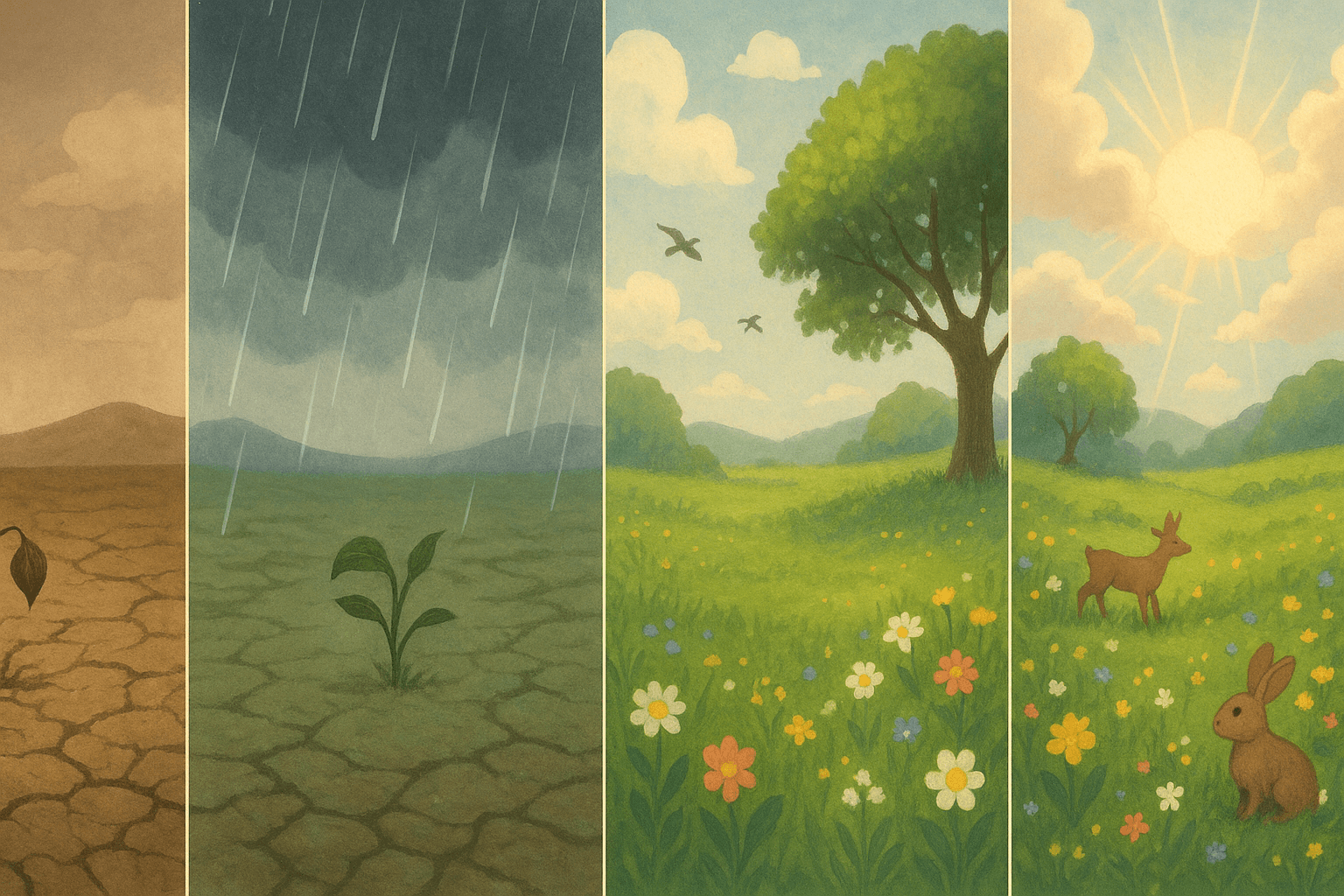
To thrive in life, you must nourish the soul, not just the body. — Thich Nhat Hanh
—What lingers after this line?
Understanding the Dual Nature of Wellbeing
At its core, Thich Nhat Hanh’s teaching aims to illuminate the full spectrum of human health. While modern society often prioritizes bodily fitness, true thriving requires that we attend to the intangible needs of the soul—our thoughts, emotions, and sense of purpose. This duality is reflected in holistic health movements, which encourage us to look beyond the physical and address deeper sources of fulfillment.
Historical Perspectives on Soul Nourishment
Transitioning from this foundation, ancient philosophies have long recognized the significance of inner nourishment. Plato’s dialogues, for example, emphasize ‘food for the soul’ through virtue and understanding. Similarly, Eastern traditions like Buddhism, as taught by Thich Nhat Hanh, cultivate mindfulness and compassion—practices designed to foster peace within. Across cultures, the wisdom is clear: neglecting the soul ultimately leaves us impoverished.
Modern Implications for Mental Health
Building upon historical insights, today’s mental health crisis highlights what happens when the soul is starved. Increasing rates of anxiety and depression suggest that physical comfort alone cannot guarantee happiness. Research from the World Health Organization underscores the importance of social connection, meaning, and inner peace—qualities nurtured through reflection, community, and spiritual growth.
Practical Tools for Soulful Living
From theory to practice, Thich Nhat Hanh offers concrete tools for nourishing the soul, including meditation, mindful breathing, and acts of kindness. For instance, his book 'Peace Is Every Step' (1992) provides step-by-step exercises that help individuals reconnect with the present and cultivate gratitude. Integrating such practices into daily routines can lead to greater resilience and joy, even amidst life’s challenges.
Harmonizing Body and Soul for True Thriving
Bringing these threads together, genuine thriving arises when body and soul are cared for in harmony. Physical nourishment supports energy and longevity, yet it is soulful practices—be they spiritual, artistic, or relational—that imbue life with depth and meaning. Embracing Thich Nhat Hanh’s wisdom, we discover that only when both aspects are tended do we truly flourish.
One-minute reflection
What's one small action this suggests?
Related Quotes
6 selectedFeeding hope is the truest nourishment of the soul. — Chimamanda Ngozi Adichie
Chimamanda Ngozi Adichie
Chimamanda Ngozi Adichie’s evocative words present hope as more than a fleeting emotion—it is portrayed as sustenance for the soul. Much as physical nourishment is essential for the body’s vitality, hope feeds our inner...
Read full interpretation →If we are facing in the right direction, all we have to do is keep walking. — Thích Nhất Hạnh
Thich Nhat Hanh
Thích Nhất Hạnh’s words begin with a simple but profound premise: progress depends first on direction, not speed. If a person is turned toward compassion, clarity, healing, or truth, then each modest step becomes meaning...
Read full interpretation →You must love in such a way that the person you love feels free. — Thich Nhat Hanh
Thich Nhat Hanh
At its core, Thich Nhat Hanh’s statement redefines love as an act of care that does not confine. To love someone so that they feel free means offering affection without turning it into control, guilt, or dependence.
Read full interpretation →We are not islands; we are threads in a tapestry. To pull away from the weave is to lose the very texture that makes life hold together. — Thich Nhat Hanh
Thich Nhat Hanh
At its core, Thich Nhat Hanh’s image of threads in a tapestry rejects the fantasy of total self-sufficiency. A single thread may exist on its own, yet it gains meaning, strength, and beauty only through its relation to o...
Read full interpretation →When you learn how to suffer, you suffer far less. Resilience is not about avoiding the fire; it is about becoming fireproof. — Thich Nhat Hanh
Thich Nhat Hanh
At first glance, Thich Nhat Hanh’s quote appears paradoxical: how could learning to suffer make suffering lighter? Yet his point is that pain intensifies when we resist it, fear it, or treat it as a personal failure.
Read full interpretation →Slow down, and you will find that the rhythm of your own heart becomes the master of your work. — Thich Nhat Hanh
Thich Nhat Hanh
At first glance, Thich Nhat Hanh’s words seem to offer simple advice about working more slowly, yet they point to something deeper: a different relationship with time itself. To slow down is not merely to reduce speed, b...
Read full interpretation →More From Author
More from Thich Nhat Hanh →If we are facing in the right direction, all we have to do is keep walking. — Thích Nhất Hạnh
Thích Nhất Hạnh’s words begin with a simple but profound premise: progress depends first on direction, not speed. If a person is turned toward compassion, clarity, healing, or truth, then each modest step becomes meaning...
Read full interpretation →You must love in such a way that the person you love feels free. — Thich Nhat Hanh
At its core, Thich Nhat Hanh’s statement redefines love as an act of care that does not confine. To love someone so that they feel free means offering affection without turning it into control, guilt, or dependence.
Read full interpretation →We are not islands; we are threads in a tapestry. To pull away from the weave is to lose the very texture that makes life hold together. — Thich Nhat Hanh
At its core, Thich Nhat Hanh’s image of threads in a tapestry rejects the fantasy of total self-sufficiency. A single thread may exist on its own, yet it gains meaning, strength, and beauty only through its relation to o...
Read full interpretation →When you learn how to suffer, you suffer far less. Resilience is not about avoiding the fire; it is about becoming fireproof. — Thich Nhat Hanh
At first glance, Thich Nhat Hanh’s quote appears paradoxical: how could learning to suffer make suffering lighter? Yet his point is that pain intensifies when we resist it, fear it, or treat it as a personal failure.
Read full interpretation →