
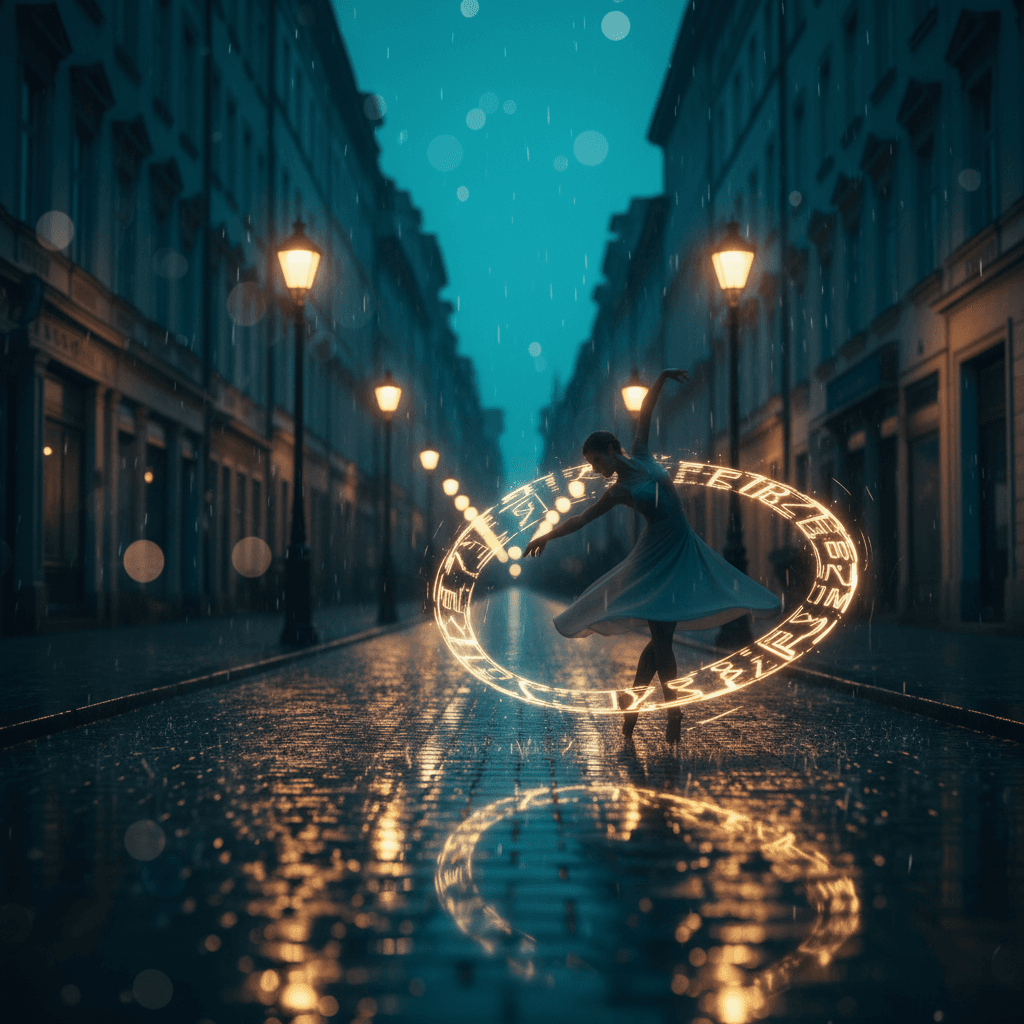
Poetry is an invitation to change; let language move your feet. — Pablo Neruda
—What lingers after this line?
The Invitation in Neruda’s Line
Neruda’s claim that poetry is an invitation to change recasts verse as a threshold, not a destination. The second clause—“let language move your feet”—presses the metaphor into the body, urging us from contemplation to motion. In Neruda’s world, words do not merely describe; they enlist. This enlistment aligns with his lifelong belief that lyric beauty and lived reality must touch. Thus, the aphorism does double work: it beckons us to reimagine ourselves and then to walk that reimagining into the world.
When Words Become Bodily Motion
From this invitation, it follows that language can be felt in sinew and stride. Embodied cognition research shows that reading action-rich phrases activates motor regions of the brain, suggesting a neural bridge between word and movement (Pulvermüller, 2005). Likewise, rhythmic language entrains the body; beat perception literature describes how patterned sound nudges us toward synchronized motion (Patel, Music, Language, and the Brain, 2008). In short, poetry’s cadence is not decorative—it is kinetic, preparing the feet for the change the mind envisions.
Poets Who Demand Transformation
Historically, great poems have not asked us to agree; they have asked us to become. Rilke’s “Archaic Torso of Apollo” ends with the imperative, “You must change your life” (1908), turning a gaze at sculpture into a mandate for metamorphosis. Earlier, Whitman’s Song of Myself (1855) braided body and spirit, inviting readers to “loafe” and then to stride beside him. Even spiritual traditions concur: Rumi’s Masnavi (13th c.) undergirds the Mevlevi whirling, in which verse literally becomes turning. Thus, Neruda’s exhortation sits within a lineage where language is both summons and step.
Neruda Between Politics and the Pantry
Extending this lineage, Neruda fused public upheaval with intimate awe. Canto General (1950) gives continental history a muscular music, inviting readers to walk with miners and forests alike, while Spain in Our Hearts (1937) channels solidarity into marching rhythms. Conversely, the Elemental Odes (1954–57)—such as “Ode to My Socks”—train our steps toward gratitude, proving that transformation also occurs in the pantry. By alternating civic drumbeats with domestic revelations, Neruda shows that change is both collective mobilization and everyday reorientation.
Language on the Streets
Consequently, when language escapes the page, it organizes bodies. Call-and-response chants of the U.S. civil rights movement turned crowds into coordinated marches, where words set the tempo for courage. Decades later, the Nuyorican Poets Cafe (founded 1973) proved that spoken word could animate rooms into communities, while Amanda Gorman’s “The Hill We Climb” (2021) demonstrated how a poem can recalibrate a nation’s posture. These examples echo Neruda: once language catches rhythm, feet find direction—and change gains a route.
Practicing Change, One Poem at a Time
Finally, letting language move your feet can be practiced. Read poems aloud and walk while reciting; notice how breath and pace align with line breaks. Write a brief ode to an ordinary object, then perform it to a simple beat, converting attention into action. Join a local open mic to let communal cadence shape conviction. Clinical literature on poetry therapy notes that voiced verse can catalyze adaptive shifts in mood and behavior (Mazza, Poetry Therapy, 2017). Step by step, the page becomes a path—and the invitation becomes a journey.
Recommended Reading
As an Amazon Associate, we earn from qualifying purchases.
One-minute reflection
What does this quote ask you to notice today?
Related Quotes
6 selectedEvery brave choice paints a brighter corner of the map of your life. — Pablo Neruda
Pablo Neruda
At first glance, the line often attributed to Pablo Neruda suggests that courage functions as light on the atlas of a life. Each brave choice—however small—adds color and contour to places that were once vague, implying...
Read full interpretation →Carry forward the weight of hope; it will become the wings you need. — Pablo Neruda
Pablo Neruda
At the outset, the line frames a paradox: to carry the heavy substance of hope is to generate lift. As with flight, wings do not nullify gravity; they shape it into ascent.
Read full interpretation →If seeds in the black earth can turn into such beautiful roses, what might not the heart of man become in its long journey toward the stars? — G.K. Chesterton
G. K. Chesterton
Chesterton begins with a striking contrast: black earth, dark and ordinary, somehow gives rise to roses of astonishing beauty. From that image, he invites us to see human nature in the same light.
Read full interpretation →A blazing fire makes flame and brightness out of everything that is thrown into it. — Marcus Aurelius
Marcus Aurelius
Marcus Aurelius compresses a central Stoic lesson into a vivid image: a strong fire does not merely endure what is cast into it, but transforms it into more flame and light. In that sense, adversity is not just something...
Read full interpretation →It doesn't happen all at once. You become. It takes a long time. — Margery Williams
Margery Williams
Margery Williams’s line from The Velveteen Rabbit (1922) begins with a gentle refusal of sudden change. ‘It doesn’t happen all at once’ suggests that becoming—whether becoming real, mature, or fully oneself—is not an eve...
Read full interpretation →To create is to destroy the old version of yourself that no longer fits the new truth you have found. — Martha Graham
Martha Graham
Martha Graham’s statement presents creativity not as decoration, but as a radical act of inner change. To create something genuine, she suggests, a person must let go of an earlier self—the habits, beliefs, and identitie...
Read full interpretation →More From Author
More from Pablo Neruda →Let the rain kiss you. Let the rain beat upon your head with silver liquid drops. — Pablo Neruda
Neruda’s lines open as a gentle imperative: instead of bracing against bad weather, we are asked to welcome it. “Let the rain kiss you” reframes rain as a gesture offered to the body rather than an inconvenience imposed...
Read full interpretation →Build a bridge of resolve and walk across it one brave step at a time. — Pablo Neruda
Neruda’s image begins with a striking implication: resolve is not merely a feeling you wait for, but a structure you build. A bridge doesn’t appear because the river is intimidating; it exists because someone decided to...
Read full interpretation →Let each sunrise find you leaning toward action. — Pablo Neruda
Neruda’s line frames each sunrise as more than scenery; it’s a daily reset that gently pressures us to move. “Leaning” matters because it suggests a posture, not a perfect performance—an inclination toward doing, even be...
Read full interpretation →Make your hands busy with making—words, gardens, music—and life answers back. — Pablo Neruda
Neruda’s line frames creativity less as self-expression and more as initiation: when you keep your hands busy making, you open a channel through which the world can respond. The emphasis on “hands” matters, because it gr...
Read full interpretation →