
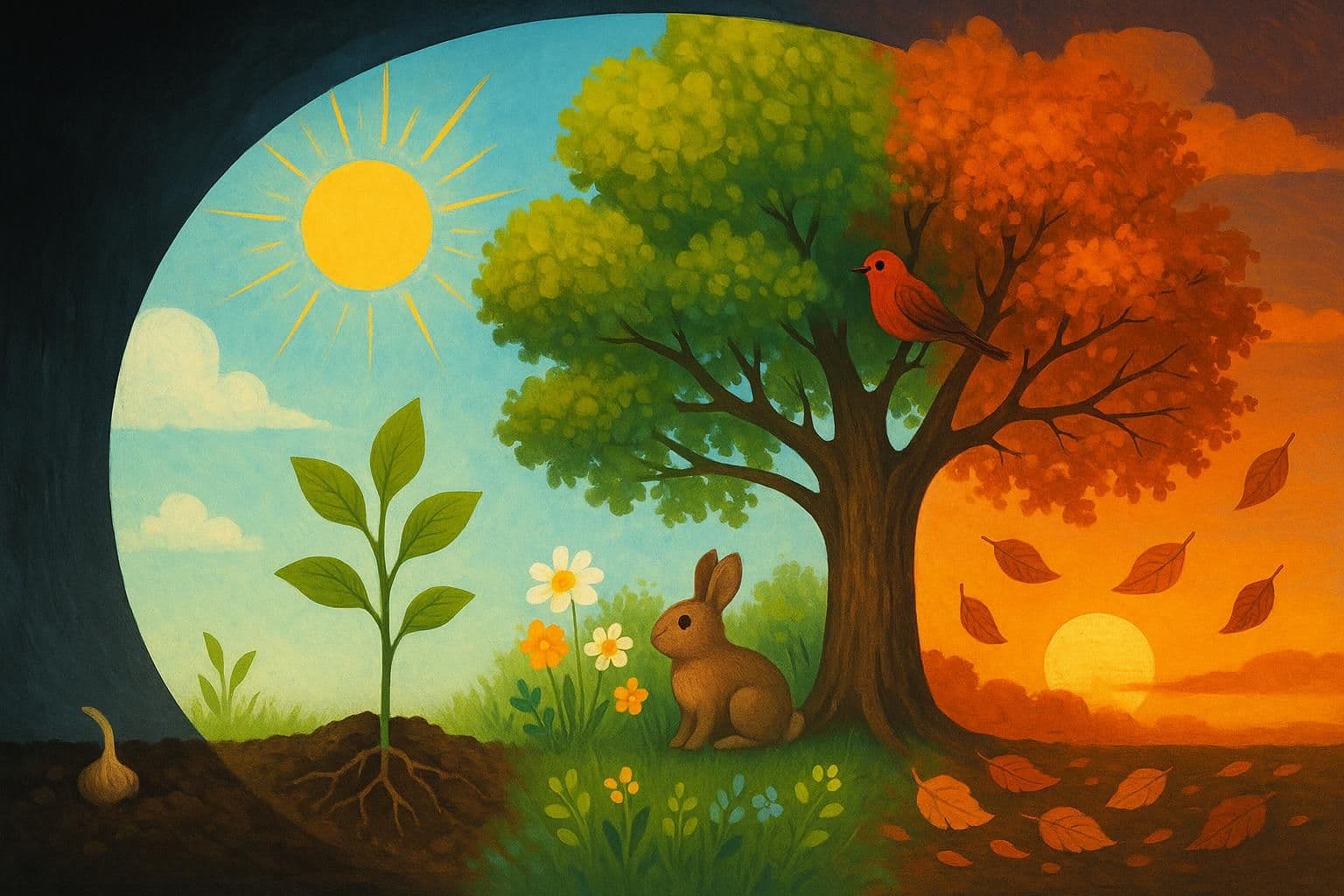
Beginnings are usually scary, and endings are usually sad, but it's everything in between that makes it all worth living. — Bob Marley
—What lingers after this line?
The Uncertainty of New Starts
Bob Marley's observation begins by acknowledging a universal truth: beginnings often incite fear. Whether starting a new job, moving cities, or entering a relationship, the unknown can be daunting. Psychologist William Bridges, in his work 'Transitions' (1980), describes this initial stage as a ‘neutral zone’—a period marked by anxiety and self-doubt as old certainties fade and new possibilities emerge. This fear is natural, for it signals the threshold of growth and change.
The Bitterness of Endings
From these uncertain starts, we eventually face inevitable conclusions. Endings—be it graduation, separation, or loss—are often tinged with sadness and regret. Yet as Kahlil Gibran mused in 'The Prophet' (1923), 'The deeper that sorrow carves into your being, the more joy you can contain.' These endings, while painful, give meaning to our experiences and help us appreciate the richness of what came before.
The Significance of the 'In-Between'
Crucially, Marley’s quote pivots away from the edges of experience to illuminate the heart of life: the 'in-between.' This suggestive phrase encompasses daily moments, relationships, struggles, and triumphs that fill the space between our first hellos and final goodbyes. Viktor Frankl, in 'Man’s Search for Meaning' (1946), argues that fulfillment is discovered not at life’s bookends, but within its challenges and opportunities—highlighting the value of the journey itself.
Drawing Meaning from Ordinary Days
Because the ‘in-between’ can be so easily overlooked, it is essential to savor the mundane as well as the extraordinary. Marley’s wisdom echoes Mary Oliver’s poetic question in 'The Summer Day': 'Tell me, what is it you plan to do with your one wild and precious life?' By being present and attentive to everyday experiences, we transform routine into significance, and monotony into meaning.
Celebrating the Journey as a Whole
Ultimately, recognizing the importance of every phase encourages us to embrace both fear and sadness as natural contours of life. Just as a song’s worth is found not in its opening or final notes, but in the melody woven throughout, so too is a life shaped by what happens between beginnings and endings. In accepting and celebrating this truth, we find what makes the whole journey 'worth living.'
One-minute reflection
What feeling does this quote bring up for you?
Related Quotes
6 selectedInstead of focusing on how much you can accomplish, focus on how much you can absolutely love what you're doing. — Leo Babauta
Leo Babauta
At its core, Leo Babauta’s quote invites a quiet but radical shift in priorities. Rather than measuring a day by boxes checked, milestones reached, or output produced, he asks us to judge our effort by the depth of our a...
Read full interpretation →It is when we are in transition that we are most completely alive. — William Bridges
William Bridges
William Bridges’ insight begins with a striking reversal: the moments we usually experience as unstable or uncertain may actually be the moments when life feels most vivid. Transition interrupts routine, and in doing so...
Read full interpretation →We must take care to live not merely a long life, but a full one; for living a long life requires only good fortune, but living a full life requires character. — Seneca
Seneca
Seneca begins by drawing a sharp distinction between duration and depth. A long life, he says, may depend largely on luck—health, safety, and circumstances beyond our control.
Read full interpretation →The only ones among you who will be really happy are those who will have sought and found how to serve. — Albert Schweitzer
Albert Schweitzer
Albert Schweitzer’s claim reframes happiness as an outcome rather than a possession: it arrives not by chasing pleasure directly, but by orienting life toward service. By saying “the only ones,” he draws a sharp boundary...
Read full interpretation →In the end, it's not the years in your life that count. It's the life in your years. — Abraham Lincoln
Abraham Lincoln
This quote emphasizes that the quality of your experiences and how you live your life is more important than the number of years you live. A shorter life filled with meaningful moments is more valuable than a longer life...
Read full interpretation →Do more than just exist. — Anonymous.
Unknown
This quote draws a distinction between merely surviving and truly living. It emphasizes the importance of engaging fully with life, rather than simply going through the motions.
Read full interpretation →More From Author
More from Bob Marley →Emancipate yourselves from mental slavery; none but ourselves can free our minds. — Bob Marley
Bob Marley frames emancipation as an inward revolution: the most stubborn forms of bondage are not always external laws or physical restraints, but the beliefs we absorb and carry. By naming “mental slavery,” he points t...
Read full interpretation →The greatness of a man is not in how much wealth he acquires, but in his integrity and his ability to affect those around him positively. — Bob Marley
This quote asserts that a man's greatness is not determined by material wealth but by his character and actions. It suggests that integrity and morality are the true yardsticks of a person's worth.
Read full interpretation →Love the life you live. Live the life you love. — Bob Marley
This quote encourages individuals to fully embrace and appreciate their lives. Loving the life you live suggests finding joy and contentment in your current circumstances.
Read full interpretation →The day you stop racing is the day you win the race. — Bob Marley
This quote suggests that true victory comes from inner peace and self-contentment, rather than constantly striving for external achievements. Once you stop trying to outrun others or prove yourself, you experience a deep...
Read full interpretation →