
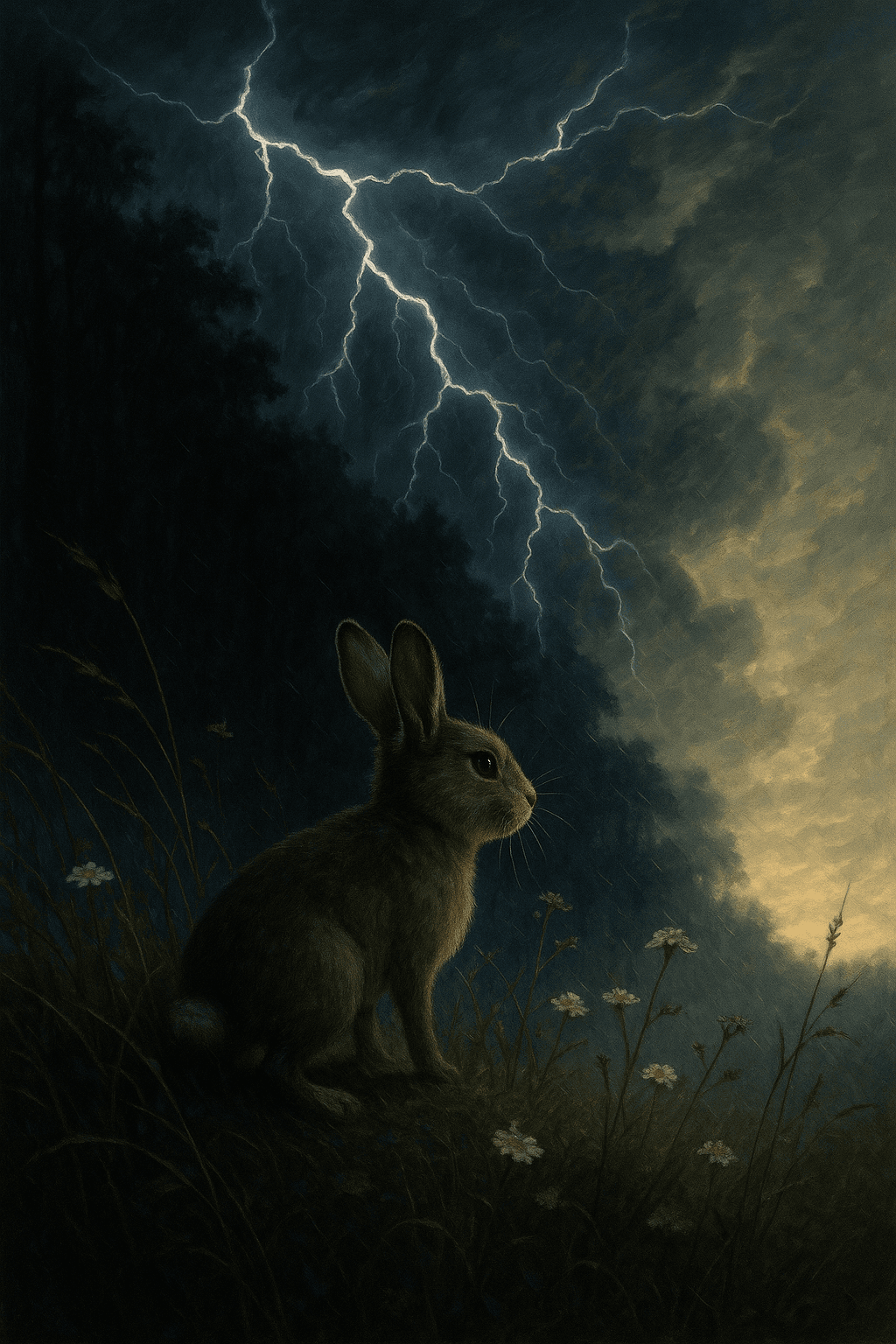
Bravery is not the absence of fear but the action in the face of fear. — Mark Messier
—What lingers after this line?
Redefining the Meaning of Bravery
Traditional perceptions often paint bravery as the total suppression or lack of fear. However, Mark Messier’s quote offers a crucial redefinition: courage is not about feeling fearless but about moving forward in spite of fear. This reframing encourages us to acknowledge our emotions rather than deny them, recognizing fear as a natural human response rather than a weakness.
Historical Perspectives on Courage
Philosophers and leaders throughout history have echoed this sentiment. For example, in his treatise *Nicomachean Ethics*, Aristotle defined courage as the mean between recklessness and cowardice, noting that the courageous person feels fear but performs brave acts nevertheless. Similarly, soldiers and activists—from World War II veterans to civil rights leaders—have spoken candidly about fear accompanying their actions, underscoring that heroic achievements often arise not from fearlessness, but from resilience.
Psychological Insights: Fear as a Companion
Modern psychology further supports this view, identifying fear as a built-in safety mechanism that heightens awareness and preparedness. Clinical psychologist Susan Jeffers, in her influential book *Feel the Fear and Do It Anyway* (1987), encourages individuals to act despite their anxieties. By accepting fear and refusing to be paralyzed by it, people build self-confidence and resilience—key components of authentic bravery.
Everyday Acts of Courage
This understanding of bravery extends far beyond dramatic moments of crisis. Everyday acts—such as speaking up in a meeting, standing up for one’s values, or making difficult personal decisions—require facing fear with intentional action. Messier’s perspective democratizes courage, making it accessible to ordinary people in everyday situations, not just celebrated heroes on grand stages.
Building a Culture of Courage
Embracing fear as part of the human experience, communities and organizations can nurture environments where bravery flourishes. When leaders and peers openly discuss their own apprehensions and model courageous behavior, they inspire others to follow suit. Ultimately, understanding bravery as action amid fear cultivates resilience, innovation, and deep personal growth—values essential for societies aiming to progress collectively.
One-minute reflection
Where does this idea show up in your life right now?
Related Quotes
6 selectedCourage is less about fearlessness than training the mind to act with clarity and conviction. — Ranjay Gulati
Ranjay Gulati
Ranjay Gulati’s line begins by overturning a common myth: that courage belongs to people who simply don’t feel afraid. Instead, he frames fear as normal—and even expected—while locating courage in what happens next.
Read full interpretation →The best people possess a feeling for beauty, the courage to take risks, the discipline to tell the truth, the capacity for sacrifice. — Ernest Hemingway
Ernest Hemingway
Hemingway’s line presents goodness not as politeness or success, but as a demanding inner code. The “best people” are those who combine sensitivity, bravery, honesty, and self-denial—qualities that do not always coexist...
Read full interpretation →If you are not willing to look stupid, nothing great is ever going to happen to you. — Julia Cameron
Julia Cameron
Julia Cameron’s remark begins with a hard truth: many people do not fail because they lack talent, but because they fear embarrassment. In that sense, ‘looking stupid’ becomes shorthand for being seen trying, stumbling,...
Read full interpretation →You don't have to bully yourself out of feeling fear. You just have to move while it's still there. — Annie Wright
Annie Wright
At its core, Annie Wright’s quote challenges the common belief that courage begins only after fear has disappeared. Instead, it reframes fear as something that can accompany action rather than prevent it.
Read full interpretation →For what matters in life is not whether we receive a round of applause; what matters is whether we have the courage to venture forth despite the uncertainty of acclaim. — Amor Towles
Amor Towles
At its core, Amor Towles shifts attention away from public approval and toward private resolve. The quote argues that a life’s value is not determined by applause—those visible signs of recognition—but by the willingness...
Read full interpretation →The economy can take your money. A crisis can take your opportunities. But fear can take your judgment—and that is the loss most people never recover from. — Epictetus
Epictetus
At first glance, this saying draws a sharp line between what happens to us and what happens within us. Money can vanish in a recession, and opportunities can disappear when markets collapse, yet Epictetus argues that the...
Read full interpretation →More From Author
More from Mark Messier →