
Creation is an act of courage, not comfort. — bell hooks
—What lingers after this line?
Redefining Creation: Beyond Comfort Zones
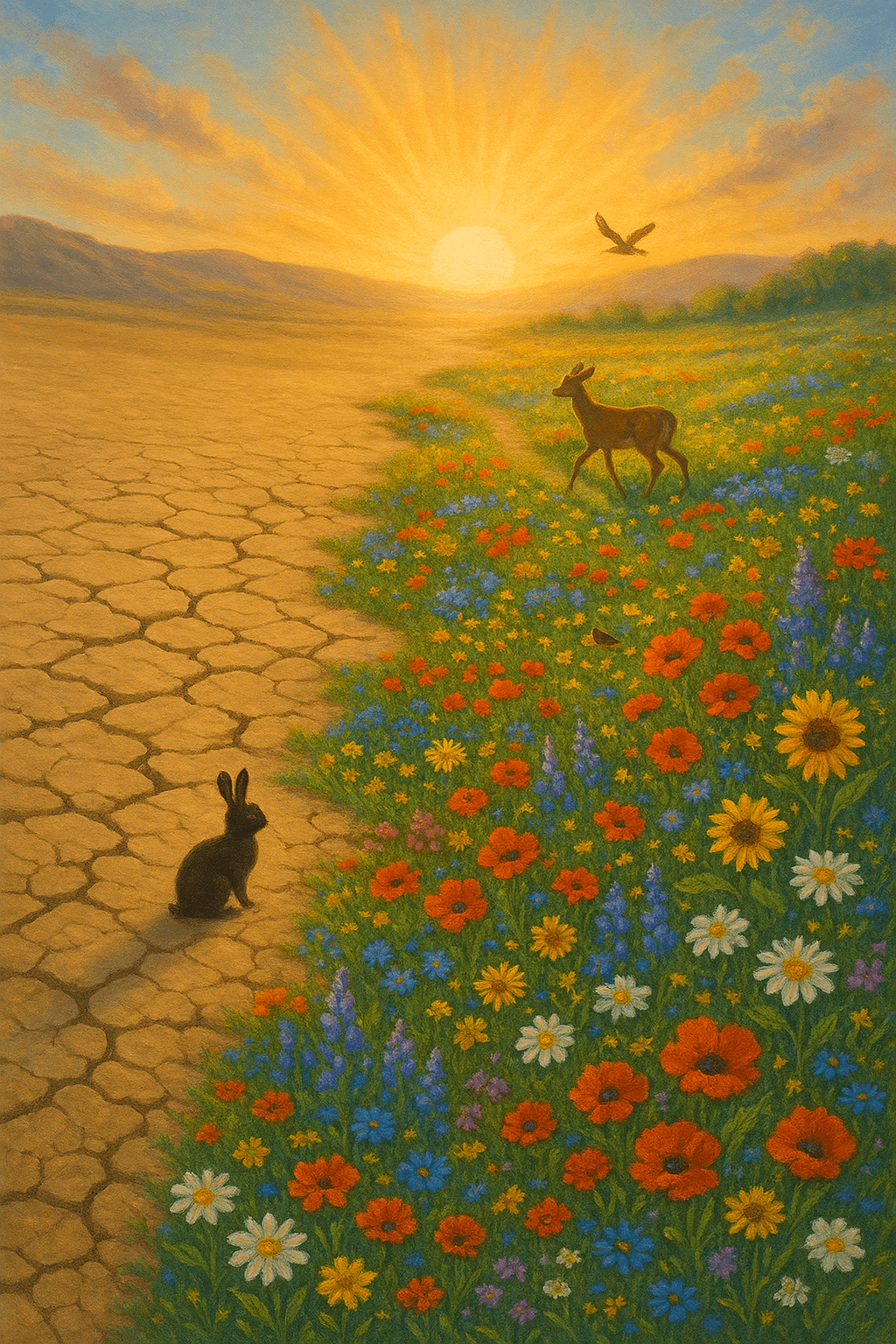
bell hooks’ succinct statement directly challenges the assumption that creativity is a gentle, pleasurable pursuit. Instead, she reframes it as an act demanding courage—a deliberate step beyond the familiar. This perspective upends traditional narratives that equate artistic expression with relaxation or ease, reminding us that true creation often involves grappling with uncertainty and the unfamiliar.
Historical Bravery in Creative Acts
Building on hooks’ idea, history offers numerous examples of creators who embraced discomfort for the sake of innovation. Vincent van Gogh, for instance, endured both social alienation and mental turmoil as he forged a new visual language. His willingness to confront personal demons and external criticism embodies the type of courage hooks champions, demonstrating that art’s breakthroughs are rarely birthed from safe spaces.
Challenging Conventions and Facing Resistance
Transitioning from individual courage to collective impact, creators often face resistance from societal expectations. For example, Maya Angelou’s autobiographical writing confronted deeply entrenched silences around race and trauma. By daring to speak uncomfortable truths, she risked rejection but catalyzed social change. This illustrates how acts of creation that challenge norms require not just talent, but profound bravery.
The Emotional Risks of Authentic Expression
Furthermore, the vulnerability inherent in authentic expression is a courageous act in itself. bell hooks frequently wrote about the power of writing and art as means of processing pain and love. To translate inner realities into public expression exposes the creator to misunderstanding and judgment, but as hooks suggests, such risk is essential for meaningful art.
Cultivating Courage in Everyday Creation
Finally, hooks’ wisdom extends beyond art to daily life. Whether inventing, composing, or simply sharing new ideas, anyone who creates must summon the courage to leave comfort behind. By normalizing this discomfort as part of the creative process, hooks inspires both artists and non-artists alike to address their fears and embrace the initiative required to bring something genuinely new into the world.
One-minute reflection
What does this quote ask you to notice today?
Related Quotes
6 selectedLet curiosity pull you forward; comfort keeps you in place. — bell hooks
bell hooks
bell hooks frames growth as a tension between two forces: curiosity that urges us onward and comfort that persuades us to stay put. The line is simple, yet it captures a familiar inner negotiation—whether to explore what...
Read full interpretation →You don't need a formal license to be an artist; you only need the courage to claim your own perspective. — Ai Weiwei
Ai Weiwei
Ai Weiwei’s statement immediately dismantles the idea that artistic legitimacy must be granted by institutions, critics, or official credentials. Instead, he shifts the center of gravity inward: what makes someone an art...
Read full interpretation →Do not let the fear of being misunderstood keep you from producing the work you were born to manifest. Authenticity is the only currency that lasts. — Jean-Michel Basquiat
Michel Basquiat
At its core, Basquiat’s statement is a call to keep making what feels necessary, even when recognition is uncertain. Fear of being misunderstood can become a quiet form of self-censorship, persuading artists, thinkers, a...
Read full interpretation →If you feel safe in the area you're working in, you're not working in the right area. — David Bowie
David Bowie
David Bowie’s remark reframes unease as a signal rather than a problem: if you feel completely safe, you may be repeating what you already know works. In that sense, “safe” can mean predictable—methods mastered, outcomes...
Read full interpretation →We don't want to feel discomfort. So we live in a very comfortable area. There's no growth in that. — David Goggins
David Goggins
David Goggins’ line points to a simple but unsettling pattern: most people organize their days to avoid discomfort. We choose the familiar route, the safe conversation, the task we already know how to do, and we call it...
Read full interpretation →You are in danger of living a life so comfortable and soft, that you will die without ever realizing your true potential. — David Goggins
David Goggins
David Goggins frames comfort not as a reward but as a slow-acting risk: the more “soft” life becomes, the less we test our limits. What makes the danger subtle is that comfort rarely feels like a problem; it feels like r...
Read full interpretation →More From Author
More from bell hooks →But many of us seek community solely to escape the fear of being alone. Knowing how to be solitary is central to the art of loving. — bell hooks
Bell hooks begins with a quiet but difficult observation: not every search for community is rooted in love. Sometimes, we reach for others because solitude feels threatening, as though being alone exposes a lack within u...
Read full interpretation →Your presence is a form of resistance against a culture that profits from your isolation. Show up for those you love, even when it is inconvenient. — bell hooks
At first glance, bell hooks reframes something ordinary—being present for others—as a political and moral act. Her words suggest that care is not merely private sentiment; rather, it pushes back against a social order th...
Read full interpretation →If you don't build your own sanctuary, you will spend your life living in the wreckage of someone else's expectations. — Bell Hooks
Bell hooks frames sanctuary as more than a physical refuge; it is an inner and outer space where a person can live by values they have consciously chosen. At first glance, the quote sounds like a warning about independen...
Read full interpretation →The art of living is a constant process of refining one's own sanctuary against the tide of external expectations. — bell hooks
At its core, bell hooks presents living not as a finished achievement but as a continuous act of shaping and reshaping the self. The phrase “constant process” suggests that identity, peace, and integrity are never perman...
Read full interpretation →