
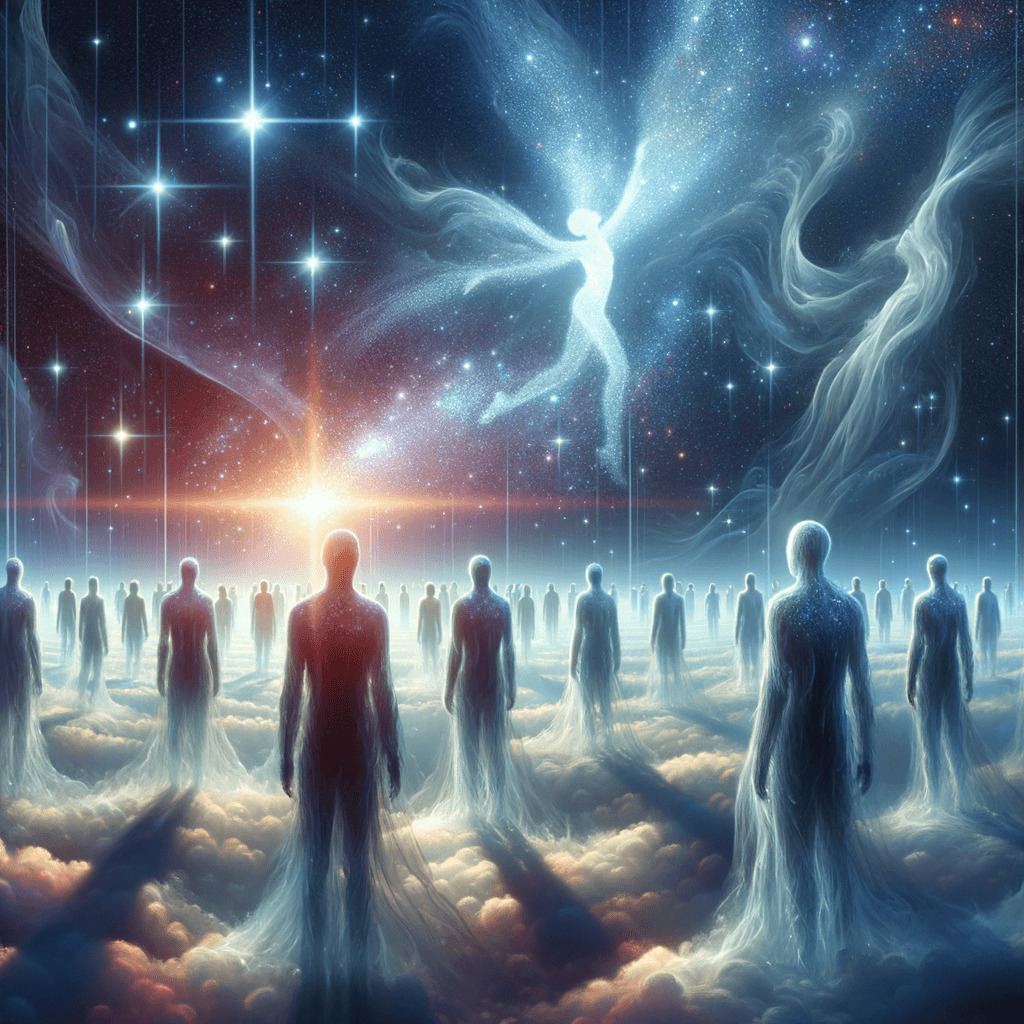
They can take away our clothes, but they can never take away our dreams. — Günter Grass
—What lingers after this line?
Resilience of the Human Spirit
This quote highlights the invincible nature of human dreams and imagination, which remain untouched even in the face of material loss or hardship.
Material Versus Inner Wealth
It contrasts external possessions, like clothing, with the intangible and enduring wealth of dreams and aspirations. While material things can be stolen or destroyed, one's inner world remains personal and unyielding.
Empowerment Through Imagination
The quote conveys a message of empowerment, suggesting that dreams are a source of strength and freedom, even when facing adversity or deprivation.
Symbolism of Clothes and Dreams
Clothes here symbolize external, superficial aspects of life, while dreams represent the deeper, intrinsic essence of a person's identity and hope.
Philosophical Outlook on Adversity
Günter Grass, known for exploring themes of human struggle and resilience in his works, uses this metaphor to encourage a perspective that finds freedom in one's inner life regardless of external circumstances.
One-minute reflection
Why might this line matter today, not tomorrow?
Related Quotes
6 selectedBefore complaining that you are a slave to another, be sure that you are not a slave to self. — James Allen
James Allen
James Allen’s warning begins with a reversal: the most immediate master may not be another person, institution, or circumstance, but one’s own impulses. Before condemning external control, he asks us to examine whether a...
Read full interpretation →True freedom is being without anxiety about imperfection. — Seng-tsan
tsan
Seng-tsan’s line shifts freedom away from external conditions and toward an internal posture: a mind no longer bullied by the fear of being flawed. In this framing, you can have choices, status, or even safety and still...
Read full interpretation →To have that sense of one's intrinsic worth which constitutes self-respect is potentially to have everything. — Joan Didion
Joan Didion
Joan Didion’s line hinges on a bold equivalence: self-respect is not merely one virtue among others but a potentially complete storehouse of inner resources. When she calls it “that sense of one’s intrinsic worth,” she p...
Read full interpretation →Freedom is not given to us by anyone; we have to cultivate it within ourselves. — Thich Nhat Hanh
Thich Nhat Hanh
Thich Nhat Hanh reframes freedom as something more intimate than laws, leaders, or circumstances. Rather than waiting for a benefactor to grant it, he points to a lived capacity—an inner steadiness that can be developed...
Read full interpretation →Flow with whatever may happen and let your mind be free. — Zhuangzi
Zhuangzi
Zhuangzi’s line reads like a gentle instruction: stop tightening your grip on how things should go, and meet life as it actually arrives. In Daoist thought, insisting on control often creates the very tension we hope to...
Read full interpretation →Sketch your days with daring strokes; intimacy with yourself paints freedom. — Anaïs Nin
Anaïs Nin
Anaïs Nin frames daily living as an artistic act: to “sketch your days” suggests that life is not merely endured or recorded, but deliberately composed. The phrase “daring strokes” implies risk—choices made without waiti...
Read full interpretation →More From Author
More from Günter Grass →