
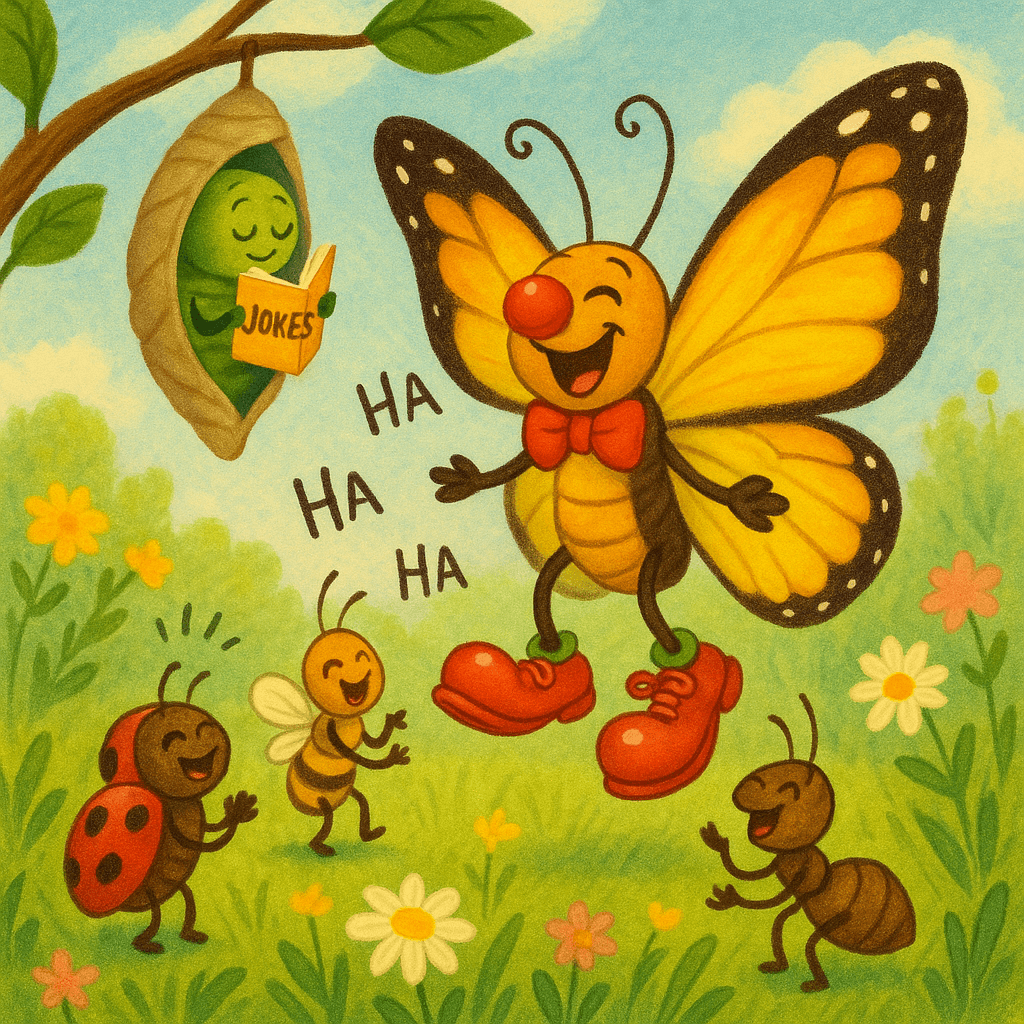
The best ideas come as jokes. Make your thinking as funny as possible. — David Ogilvy
—What lingers after this line?
The Power of Playful Thinking
David Ogilvy’s assertion underscores the transformative potential of humor in the creative process. Rather than viewing jokes as frivolous distractions, Ogilvy elevates them to prime sources of innovation. This perspective suggests that when we allow ourselves to play, our minds loosen up, paving the way for surprising associations and fresh solutions.
Historical Roots of Witty Innovation
Indeed, the connection between humor and insight isn’t new. Ancient philosophers like Aristotle noted that a quick wit often indicated sharp intelligence. In more recent history, Albert Einstein reportedly claimed, 'If at first the idea is not absurd, then there is no hope for it.' Both thinkers recognized, much like Ogilvy, that levity leads to originality.
Comedy as Creative Catalyst in Advertising
Ogilvy’s own advertising campaigns offer sterling examples of this approach. For instance, his legendary 'Man in the Hathaway Shirt' ad used a mysterious eyepatch as a quirky hook, blending intrigue with subtle humor. This lighthearted tone made the campaign memorable, illustrating how a playful premise can give rise to potent, market-transforming ideas.
The Psychological Mechanisms Behind Humor and Insight
Psychological research supports Ogilvy’s claim; humor triggers cognitive flexibility, which allows us to see problems from unconventional angles. As studies published in the journal ‘Creativity Research Journal’ (2013) show, individuals primed with jokes generate more novel ideas than those asked to think seriously, confirming that laughter literally unlocks creativity.
Embracing Levity for Serious Results
Ultimately, integrating humor into our thinking does more than spark ideas—it fosters a culture where innovation thrives. Teams encouraged to share jokes often break out of mental ruts, discovering that levity leads to unexpected breakthroughs. By making our thinking as funny as possible, as Ogilvy recommends, we not only enjoy ourselves but may stumble upon genius.
One-minute reflection
What's one small action this suggests?
Related Quotes
6 selectedI'm so glad this family is on my side. They'd make terrifying enemies. — Unknown (skipping as requested, replacing with: "Some family trees bear an enormous crop of nuts." — Wayne Huizenga)
Wayne Huizenga
Wayne Huizenga’s quip works because it turns the familiar image of a family tree into a sly comic verdict on relatives. By saying some trees produce “an enormous crop of nuts,” he replaces solemn ancestry with affectiona...
Read full interpretation →My level of sarcasm is directly related to your level of stupidity. Grateful for endless sarcasm opportunities! — George Carlin
George Carlin
At first glance, George Carlin’s line plays like a casual insult, but its humor depends on exaggeration and timing rather than simple cruelty. By claiming that sarcasm rises in direct proportion to another person’s stupi...
Read full interpretation →Don't sweat the petty things, and don't pet the sweaty things. — George Carlin
George Carlin
At first glance, George Carlin’s line works because it flips two nearly identical phrases into wildly different meanings. “Don’t sweat the petty things” offers familiar advice about staying calm, while “don’t pet the swe...
Read full interpretation →Hard work never killed anybody, but why take a chance? — Edward Bergen
Edward Bergen
At first glance, Edward Bergen’s line sounds like a lazy person’s excuse, yet its charm lies in the deadpan reversal. He begins with a familiar moral lesson—hard work is harmless and virtuous—then instantly undercuts it...
Read full interpretation →I'm not lazy, I'm just on energy-saving mode. — Bill Gates
Bill Gates
At first glance, Bill Gates’s quip turns a common accusation into a playful rebranding. By calling laziness “energy-saving mode,” he borrows the language of computers to make idleness sound strategic rather than shameful...
Read full interpretation →Behind every great man is a woman rolling her eyes. — Jim Carrey
Jim Carrey
At first glance, Jim Carrey’s line plays as a quick punchline, twisting the old saying ‘Behind every great man is a woman’ into something more skeptical and human. By adding ‘rolling her eyes,’ he punctures heroic self-i...
Read full interpretation →More From Author
More from David Ogilvy →