
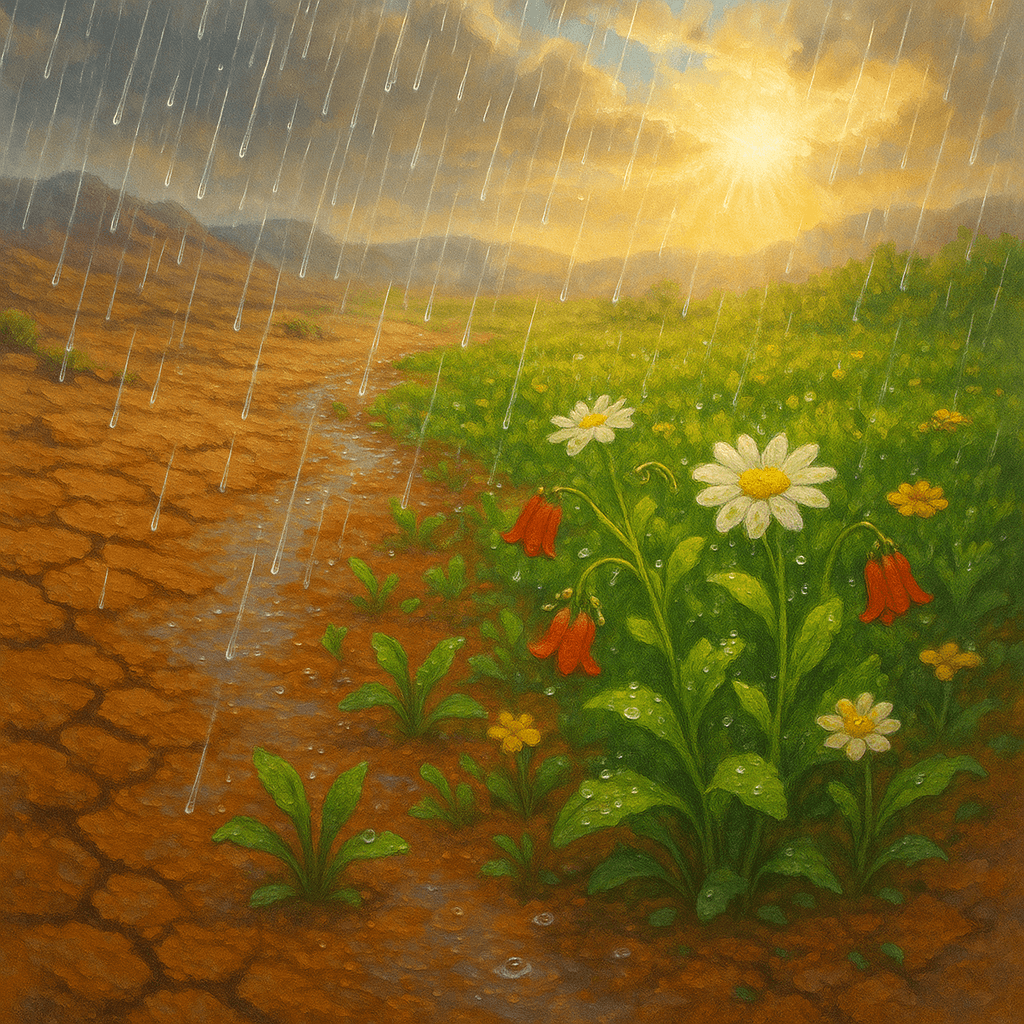
Tears shed for another person are not a sign of weakness. They are a sign of a pure heart. — José N. Harris
—What lingers after this line?
Redefining Emotional Expression
José N. Harris’s statement challenges widespread beliefs about vulnerability and emotional openness. For generations, many societies have discouraged open weeping, especially in public or in front of others, equating tears with personal weakness. However, Harris reframes such displays, suggesting that tears for another reveal not fragility, but deep, authentic feeling—a testament to one’s humanity.
Empathy at the Core of Humanity
Expanding on this idea, shedding tears for someone else underscores empathy—the ability to genuinely feel another’s suffering or joy. In classic literature, such as Harper Lee’s *To Kill a Mockingbird* (1960), characters like Atticus Finch display profound compassion, often moved by the injustice faced by others. Their sensitivity doesn’t make them weak; instead, it defines their moral strength.
Cultural Attitudes Toward Tears
Throughout history, attitudes toward emotional expression have varied widely. In many Eastern philosophies, such as Confucianism, tears can signify a harmonious connection to others and the universe. Even in modern Western therapy, crying is considered a valuable form of release and healing. This shift acknowledges that authenticity and openness about feelings are critical, rather than signs of inadequacy.
Scientific Insights on Emotional Health
Current psychological research affirms Harris’s viewpoint, indicating that crying for others can strengthen social bonds and promote well-being. According to studies published in *Frontiers in Psychology* (2017), tears trigger empathy in observers and reinforce community ties. The act of crying thus serves both an individual and a social function, connecting people in powerful, heartfelt ways.
Toward a Gentler, More Caring World
In conclusion, recognizing tears as marks of a ‘pure heart’ invites us to foster greater compassion in society. By honoring rather than suppressing our emotional responses to others, we lay the groundwork for deeper relationships and collective healing. Just as Harris suggests, strength is found not in stoicism, but in our shared willingness to care—and to let that care show.
One-minute reflection
What's one small action this suggests?
Related Quotes
6 selectedTears shed for another person are not a sign of weakness. They are a sign of a pure heart. — José N. Harris
José N. Harris
José N. Harris’s statement challenges the prevailing notion that tears are indicative of fragility.
Read full interpretation →You must love in such a way that the person you love feels free. — Thich Nhat Hanh
Thich Nhat Hanh
At its core, Thich Nhat Hanh’s statement redefines love as an act of care that does not confine. To love someone so that they feel free means offering affection without turning it into control, guilt, or dependence.
Read full interpretation →The sort of fearless openness required to turn toward our suffering is only possible within the spacious receptivity of love. — Frank Ostaseski
Frank Ostaseski
Frank Ostaseski’s statement begins with a striking claim: real courage is not simply toughness or willpower. Instead, the bravery required to face suffering honestly arises from love’s presence.
Read full interpretation →Healing is an art. It takes time, it takes practice, it takes love. — Maza Dohta
Maza Dohta
Maza Dohta’s quote begins by reframing healing as an art rather than a mechanical repair. That distinction matters, because art is rarely instant: it involves sensitivity, patience, revision, and care.
Read full interpretation →The only way to exist in a world that feels increasingly cold is to be the warmth you wish to receive from others. — Maya Angelou
Maya Angelou
At its core, Maya Angelou’s line reframes loneliness as a call to action rather than a verdict on the world. If life feels impersonal, distant, or harsh, she suggests that waiting passively for kindness may only deepen t...
Read full interpretation →Tears shed for another person are not a sign of weakness. They are a sign of a pure heart. — José N. Harris
José N. Harris
José N. Harris’s insight urges a reevaluation of societal attitudes toward tears.
Read full interpretation →More From Author
More from José N. Harris →Starting today, I need to forget what’s gone, appreciate what still remains, and look forward to what’s coming next. — Jose N. Harris
This quote emphasizes the importance of releasing attachment to past events or situations. It advocates for the act of moving forward by not dwelling on what has already happened.
Read full interpretation →Tears shed for another person are not a sign of weakness. They are a sign of a pure heart. — José N. Harris
José N. Harris’s statement challenges the prevailing notion that tears are indicative of fragility.
Read full interpretation →Tears shed for another person are not a sign of weakness. They are a sign of a pure heart. — José N. Harris
José N. Harris’s insight urges a reevaluation of societal attitudes toward tears.
Read full interpretation →