
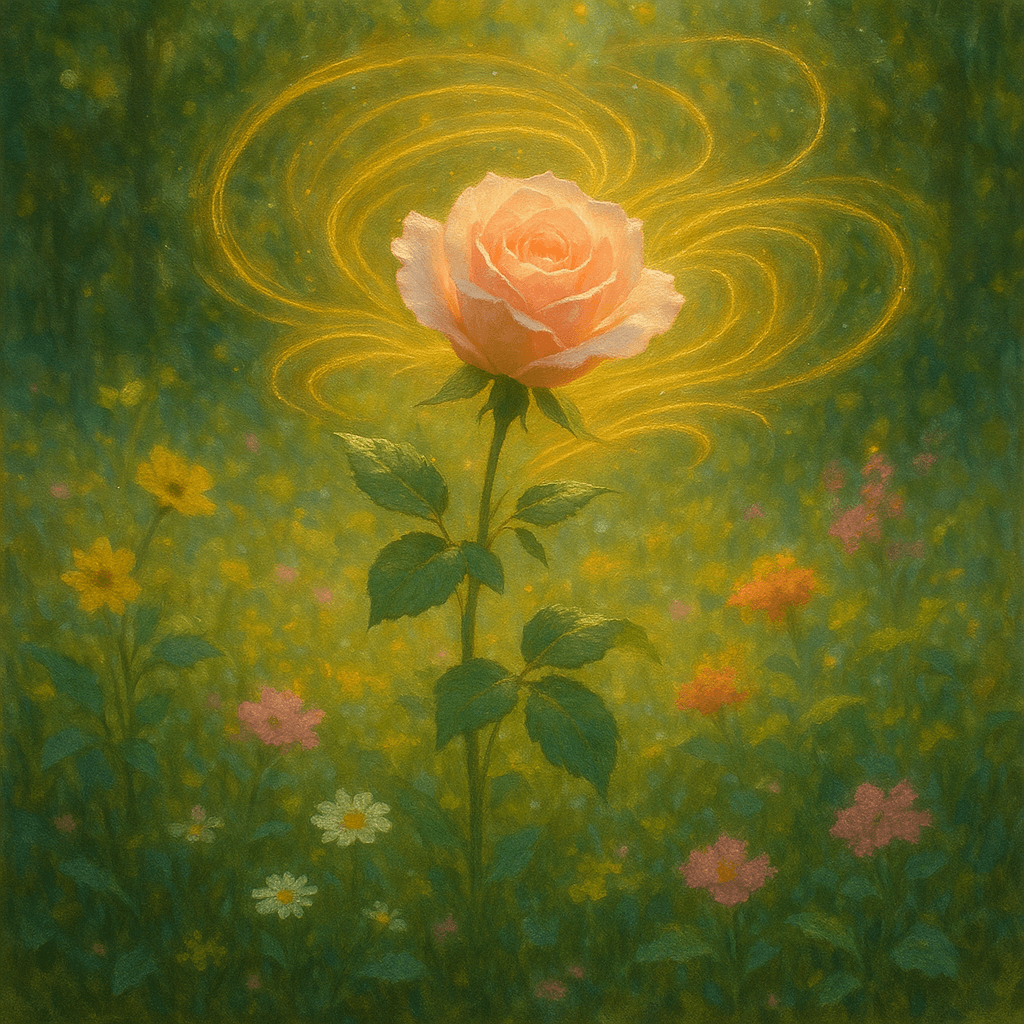
True kindness is like a rose—its fragrance spreads far and wide. — Matshona Dhliwayo
—What lingers after this line?
The Rose as a Symbol of Kindness
To begin, Matshona Dhliwayo’s analogy likens kindness to a rose, a flower long celebrated for its beauty and fragrance. The rose serves as an apt symbol, illustrating how acts of kindness, like scent, travel beyond their source. Just as a rose’s aroma draws attention and admiration in a garden, benevolent deeds naturally attract goodwill and positive energy, inviting others to respond in kind.
How Kindness Resonates with Others
Following this floral metaphor, true kindness rarely ends with a single act. Its intangible 'fragrance' often lingers, inspiring those who witness or receive it to extend further compassion. This echoes the psychological phenomenon known as the 'ripple effect,' where demonstrable goodness encourages observers to pay kindness forward. As seen in community projects and charitable movements, one good deed often begets another, forming a chain reaction of generosity.
Historical and Cultural Perspectives
Examining kindness through a historical lens, many cultures have celebrated the virtues of spreading goodwill. For example, in ancient Buddhist teachings, the concept of 'metta' (loving-kindness) emphasizes how a compassionate heart positively shapes entire societies. Like the rose’s enduring scent, these timeless values transcend generations and borders, reminding us that kindness has always been considered a powerful, far-reaching force.
Personal Transformation Through Kind Acts
Importantly, the act of giving kindness transforms not only its recipients but also its practitioners. Researchers in positive psychology, such as Martin Seligman, note that performing selfless deeds promotes well-being and emotional resilience. This mutual enrichment—a kind of internal fragrance—reinforces Dhliwayo’s message about the reach and depth of kindness in our lives.
Cultivating a Kinder World Through Small Actions
In closing, while a rose’s fragrance relies on natural conditions, kindness is a choice cultivated by everyday actions: a warm greeting, a helping hand, a listening ear. Collectively, these small gestures build a culture of empathy that, like the rose’s scent, subtly and powerfully enriches our world. Dhliwayo’s metaphor thus invites us to plant seeds of kindness wherever we go, trusting in their quiet, pervasive influence.
One-minute reflection
What's one small action this suggests?
Related Quotes
6 selectedYou must love in such a way that the person you love feels free. — Thich Nhat Hanh
Thich Nhat Hanh
At its core, Thich Nhat Hanh’s statement redefines love as an act of care that does not confine. To love someone so that they feel free means offering affection without turning it into control, guilt, or dependence.
Read full interpretation →The sort of fearless openness required to turn toward our suffering is only possible within the spacious receptivity of love. — Frank Ostaseski
Frank Ostaseski
Frank Ostaseski’s statement begins with a striking claim: real courage is not simply toughness or willpower. Instead, the bravery required to face suffering honestly arises from love’s presence.
Read full interpretation →Healing is an art. It takes time, it takes practice, it takes love. — Maza Dohta
Maza Dohta
Maza Dohta’s quote begins by reframing healing as an art rather than a mechanical repair. That distinction matters, because art is rarely instant: it involves sensitivity, patience, revision, and care.
Read full interpretation →The only way to exist in a world that feels increasingly cold is to be the warmth you wish to receive from others. — Maya Angelou
Maya Angelou
At its core, Maya Angelou’s line reframes loneliness as a call to action rather than a verdict on the world. If life feels impersonal, distant, or harsh, she suggests that waiting passively for kindness may only deepen t...
Read full interpretation →Family is not just a place we come from, but a sanctuary we build every day through the small, intentional acts of kindness we offer one another. — Daisaku Ikeda
Daisaku Ikeda
At first glance, Ikeda’s quote gently shifts the meaning of family away from mere ancestry or birthplace. He suggests that family is not defined only by bloodlines or shared history, but by what people actively create to...
Read full interpretation →We are called to be strong companions and clear mirrors to one another, to seek those who reflect with compassion how we are doing. — Wayne Muller
Wayne Muller
Wayne Muller’s quote begins with a call to companionship that is more than simple friendship. To be a strong companion is to stand beside another person with steadiness, honesty, and care, especially when life becomes co...
Read full interpretation →More From Author
More from Matshona Dhliwayo →The world accommodates you for fitting in, but only rewards you for standing out. — Matshona Dhliwayo
Matshona Dhliwayo’s quote begins with a social truth: the world often makes room for people who adapt to its expectations. Fitting in can bring acceptance, safety, and access, because groups tend to welcome those who und...
Read full interpretation →Roses do not bloom hurriedly; for beauty, like any masterpiece, takes time to blossom. — Matshona Dhliwayo
At its heart, Matshona Dhliwayo’s quote reminds us that true beauty cannot be forced. A rose does not rush toward bloom, nor does it apologize for the time required to unfold.
Read full interpretation →Today's tears water tomorrow's gardens. — Matshona Dhliwayo
At first glance, Matshona Dhliwayo’s line transforms grief into something unexpectedly fertile. Tears, usually seen as signs of pain or loss, become water for a future garden, suggesting that suffering is not merely endu...
Read full interpretation →Turning your back on the storm means turning your back on the rainbows that follow. — Matshona Dhliwayo
This quote emphasizes the importance of confronting challenges head-on. Avoiding or running away from difficulties may prevent one from experiencing the rewards and growth that come from overcoming them.
Read full interpretation →