
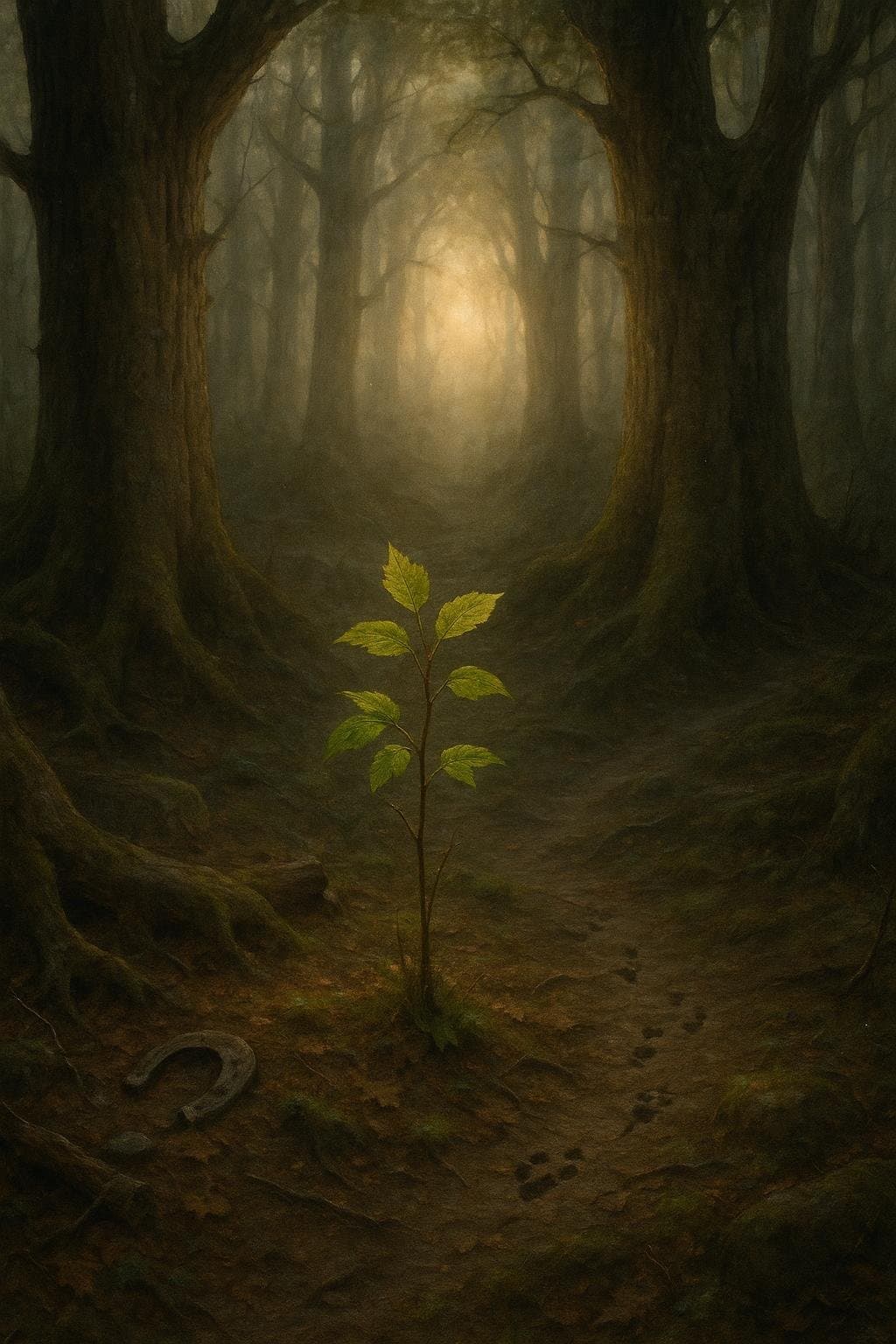
The whole of life is just like watching a film. Only it’s as though you always get in ten minutes after the big picture has started. — Terry Pratchett
—What lingers after this line?
The Metaphor of Life as Cinema
Terry Pratchett’s vivid analogy invites us to imagine our lives as if they were films—stories unfolding on a screen while we watch, interpret, and participate. This comparison immediately draws our attention to the way narratives shape our understanding of the world. Just as viewers enter a movie theater, viewers of life step in mid-story, searching for meaning and plot amid swirling chaos and established characters.
Missing the Beginning: Incomplete Context
The sensation of arriving 'ten minutes late' echoes the inherent limitations we face in understanding our own existence. We are born into social, cultural, and familial narratives that long predate our entrance. Like entering a film after the opening scenes, we must infer context—who these people are, what’s already happened, and why events unfold as they do. This feeling reflects the philosophical concept of thrownness (*Geworfenheit*) discussed by Heidegger, emphasizing how humans are cast into pre-existing situations without full knowledge.
Piecing Together the Plot
Confronted with these incomplete stories, we rely on observation and deduction to make sense of our surroundings. This is akin to viewers hastily constructing a film’s backstory from hints in the dialogue and setting. In real life, too, individuals gather fragments—family stories, societal events, personal intuition—to form a coherent sense of self. The process can be disorienting but is also inherently creative, pushing us to become both detective and participant in our ongoing lives.
The Universality of Uncertainty
Moreover, Pratchett’s metaphor underscores the universal nature of uncertainty. No one, regardless of wisdom or age, possesses the complete 'script' of existence. The great religious epics and philosophers—whether the Buddhist understanding of samsara or Tolstoy’s reflections in 'War and Peace'—acknowledge this mystery, suggesting that we all operate with partial information. It is this shared opacity that binds humanity together in mutual humility and curiosity.
Finding Meaning within the Ongoing Story
Despite—or perhaps because of—never seeing the full picture, humans persist in searching for meaning. Pratchett’s wry observation serves as both a comfort and a challenge: our inability to grasp every detail does not render our story pointless. Rather, it compels us to be attentive, reflective, and imaginative as we continue watching, living, and shaping the film that is our life. This embrace of ambiguity can engender creativity, resilience, and empathy for fellow 'audience members' still making sense of their own beginnings.
One-minute reflection
What's one small action this suggests?
Related Quotes
6 selectedSeize the moment. Remember all those women on the 'Titanic' who waved off the dessert cart. — Erma Bombeck
Erma Bombeck
This quote encourages people to make the most of the present moment. It serves as a reminder to cherish opportunities and enjoy life's pleasures while they last.
Read full interpretation →I'd rather regret the things I've done than regret the things I haven't done. — Lucille Ball
Lucille Ball
This quote highlights the idea of embracing one's decisions and experiences, suggesting that it's better to take action and face the consequences than to live with the uncertainty of missed opportunities.
Read full interpretation →To be old and wise you must first be young and stupid. — Terry Pratchett
Terry Pratchett
At first glance, Terry Pratchett’s line turns wisdom into a joke, yet its humor carries a serious truth: good judgment is rarely innate. Instead, it is usually built from errors, embarrassment, and misread situations tha...
Read full interpretation →The problem with an open mind is that people will insist on coming along and trying to put things in it. — Terry Pratchett
Terry Pratchett
Terry Pratchett’s line turns a familiar virtue into a cautionary joke: being open-minded is good, but it can also make you a target. The humor hinges on the physical metaphor—an “open” mind as an unguarded container—sugg...
Read full interpretation →The future is shaped by your dreams, so stop wasting time and go to sleep! — Terry Pratchett
Terry Pratchett
This quote highlights the importance of dreams—both literal and metaphorical—in shaping one’s future. Terry Pratchett humorously suggests that dreams, which are often born in sleep, are essential for creating and envisio...
Read full interpretation →In ancient times, cats were worshipped as gods; they have not forgotten this. — Terry Pratchett
Terry Pratchett
This quote refers to ancient civilizations, such as Egypt, where cats were revered and even worshipped as sacred beings. They were associated with deities like Bastet, the goddess of home, fertility, and protection.
Read full interpretation →More From Author
More from Terry Pratchett →To be old and wise you must first be young and stupid. — Terry Pratchett
At first glance, Terry Pratchett’s line turns wisdom into a joke, yet its humor carries a serious truth: good judgment is rarely innate. Instead, it is usually built from errors, embarrassment, and misread situations tha...
Read full interpretation →The problem with an open mind is that people will insist on coming along and trying to put things in it. — Terry Pratchett
Terry Pratchett’s line turns a familiar virtue into a cautionary joke: being open-minded is good, but it can also make you a target. The humor hinges on the physical metaphor—an “open” mind as an unguarded container—sugg...
Read full interpretation →The future is shaped by your dreams, so stop wasting time and go to sleep! — Terry Pratchett
This quote highlights the importance of dreams—both literal and metaphorical—in shaping one’s future. Terry Pratchett humorously suggests that dreams, which are often born in sleep, are essential for creating and envisio...
Read full interpretation →In ancient times, cats were worshipped as gods; they have not forgotten this. — Terry Pratchett
This quote refers to ancient civilizations, such as Egypt, where cats were revered and even worshipped as sacred beings. They were associated with deities like Bastet, the goddess of home, fertility, and protection.
Read full interpretation →