
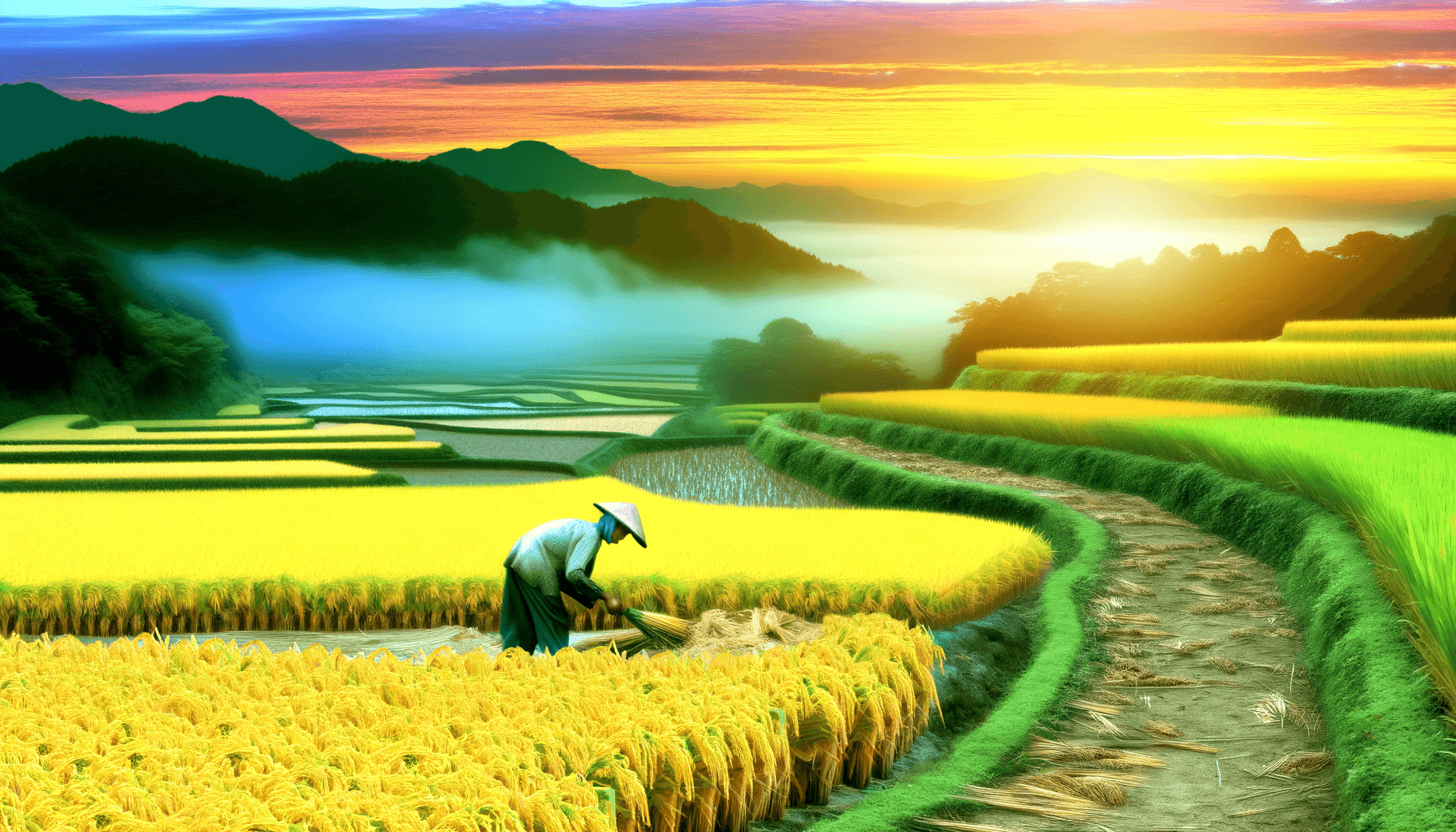
Act, and you will have breakfast, but do not linger and you will have no dinner. — Japanese Proverb
—What lingers after this line?
Importance of Taking Action
This proverb emphasizes the necessity of taking initiative. If one acts promptly and diligently, they will reap the rewards of their efforts, symbolized by having breakfast.
Warning Against Procrastination
The phrase 'do not linger' suggests that delays and hesitation can lead to missed opportunities. If one fails to continue working or maintaining effort, they may not sustain success, represented by missing dinner.
Balance Between Action and Patience
The proverb suggests that while action is essential, persistence and patience are equally important. One must continue striving throughout the day to ensure long-term sustenance and success.
Cultural Context of Hard Work
Japanese philosophy highly values diligence, discipline, and perseverance. This proverb aligns with cultural ideals that emphasize continuous effort and avoid complacency.
Application in Modern Life
In today's fast-paced world, the proverb reminds individuals of the importance of productivity and perseverance. Success is not guaranteed by a single action, but by sustained effort over time.
One-minute reflection
What's one small action this suggests?
Related Quotes
6 selectedWhen there is no wind, row. - Japanese Proverb
Japanese Proverb
This proverb emphasizes the importance of relying on oneself. When external circumstances do not support your progress, you must take action and create your own momentum.
Read full interpretation →Begin, therefore, from little things. — Seneca
Seneca
Seneca’s brief instruction, drawn from his Stoic outlook, turns attention away from grand ambitions and toward manageable first steps. By saying, “Begin, therefore, from little things,” he suggests that progress is rarel...
Read full interpretation →The flame doesn't appear before the match. It is always action that creates the fire. — Napoleon Hill
Napoleon Hill
Napoleon Hill’s image is simple but forceful: a flame does not mysteriously appear on its own; it requires the friction of a struck match. In the same way, desire, talent, and intention remain dormant until they are tran...
Read full interpretation →Dare to begin where fear says to stop; the first step redraws the map — Paulo Coelho
Paulo Coelho
Paulo Coelho’s line treats fear less as a warning and more as a border we mistakenly accept as permanent. When fear says “stop,” it often isn’t pointing to actual danger; it’s signaling uncertainty, inexperience, or the...
Read full interpretation →It's easier to beg forgiveness than get permission. — Grace Hopper
Grace Hopper
Grace Hopper’s line distills a practical strategy: when progress is stalled by bureaucracy or uncertainty, acting first can be faster than waiting for formal approval. The aphorism isn’t primarily about rudeness; it’s ab...
Read full interpretation →To hell with circumstances; I create opportunities. — Bruce Lee
Bruce Lee
Bruce Lee’s line is less a complaint about life’s unfairness than a refusal to negotiate with it. By dismissing “circumstances,” he points to the many external conditions—money, timing, background, gatekeepers—that peopl...
Read full interpretation →More From Author
More from Japanese Proverb →Even the monkey falls from the tree. — Japanese Proverb
“Even the monkey falls from the tree” begins with a vivid picture: a creature built for climbing still loses its grip. By choosing an expert climber rather than a novice, the proverb makes its point gently but firmly—ski...
Read full interpretation →The bamboo that bends is stronger than the oak that resists. - Japanese Proverb
This proverb emphasizes the strength found in adaptability and flexibility. Bamboo, which bends with the wind, can withstand forces that a rigid oak might not, suggesting that being flexible allows one to endure challeng...
Read full interpretation →The wind howls, but the mountain remains still. - Japanese Proverb
This proverb symbolizes the strength and resilience of one who remains unaffected by external turbulence. Just as the mountain stands firm despite the howling wind, a person can maintain their composure and stability ami...
Read full interpretation →When there is no wind, row. - Japanese Proverb
This proverb emphasizes the importance of relying on oneself. When external circumstances do not support your progress, you must take action and create your own momentum.
Read full interpretation →