
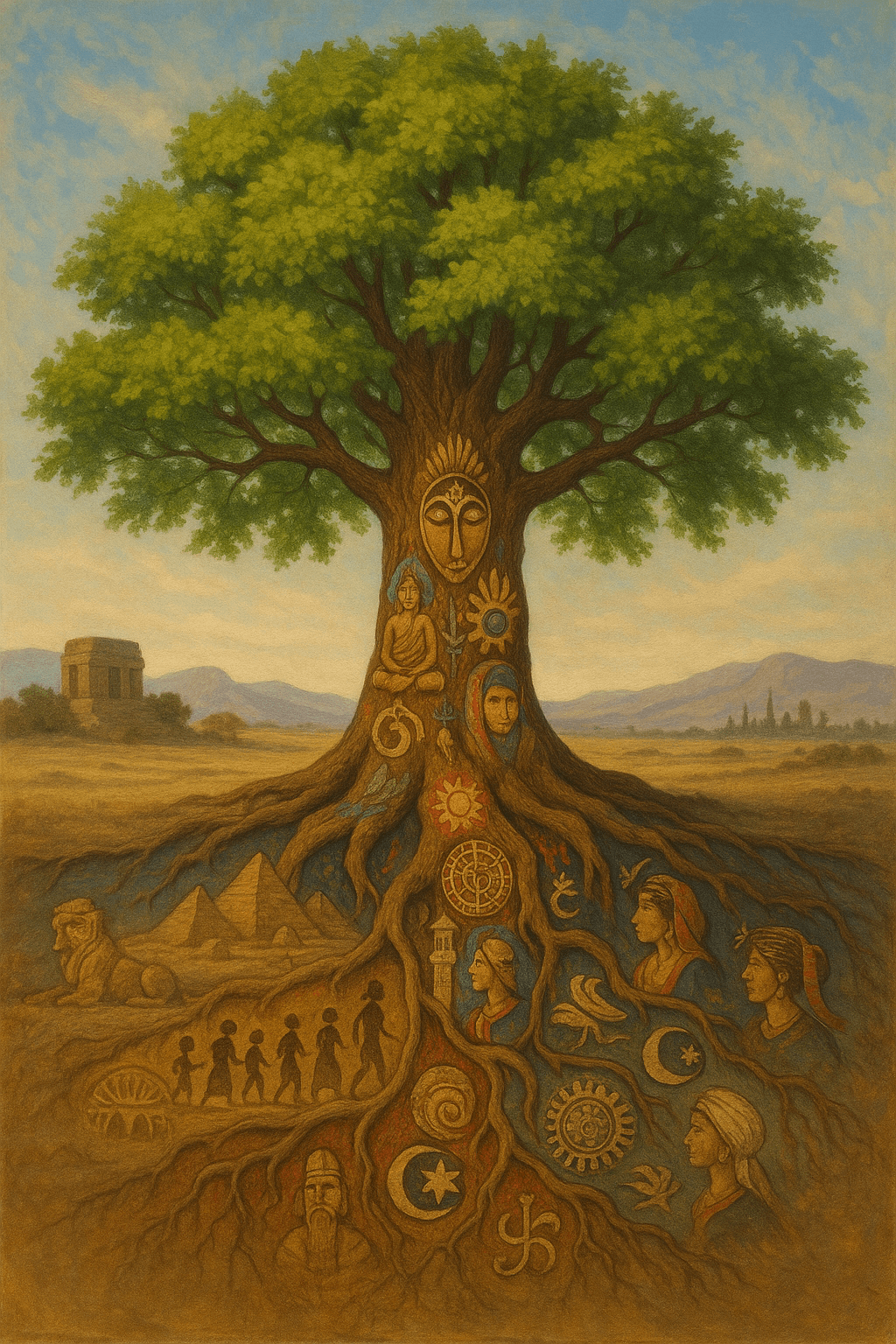
A people without the knowledge of their past history, origin and culture is like a tree without roots. — Marcus Garvey
—What lingers after this line?
The Metaphor of Roots and Identity
Marcus Garvey’s famous comparison draws a vivid parallel between a rootless tree and a people cut off from their collective memory. Without roots, trees lack the nourishment and stability necessary for growth—similarly, societies that neglect their history, origins, and culture risk losing their sense of belonging and direction. This metaphor establishes the foundation for understanding how cultural memory anchors identity.
Historical Amnesia and Its Consequences
Expanding on Garvey’s warning, history is replete with examples where cultural amnesia leads to disintegration. After periods of colonialism or forced assimilation, many Indigenous communities have struggled to reclaim their traditions and languages. The erasure of histories—as seen in the expulsion of the Acadians in 18th-century Canada—often results in generational trauma and a diminished sense of self, demonstrating the high cost of severed roots.
Recovering Origins: The Role of Storytelling
Counteracting this loss, storytelling and oral traditions play a crucial role in preserving origins. For example, West African griots—traditional storytellers—safeguard genealogies and ancestral memories within their communities. Their enduring presence illustrates how recounting the past not only transmits knowledge but also strengthens communal bonds, allowing new generations to trace their connection to those who came before.
Culture as Sustenance and Resilience
Flowing from historical awareness, culture enriches daily life with rituals, values, and artistic expression. Festivals like Día de los Muertos in Mexico or Lunar New Year in East Asia embody resilient cultural identities that celebrate collective memory and shared heritage. These traditions act as lifelines, nurturing communities much like roots supply essential nutrients to trees, especially during adversity.
The Imperative of Remembering
In closing, Garvey’s words urge both individuals and societies to value the preservation and transmission of their stories. Museums, education, and public commemorations can help revive forgotten histories and foster pride in diverse origins. Much like a tree’s roots anchor it through storms, knowledge of the past empowers communities to weather change with dignity and cohesion, ensuring they stand tall for generations to come.
One-minute reflection
Where does this idea show up in your life right now?
Related Quotes
6 selectedHe who has never been to the Great Wall is not a true man. - Chinese Proverb
Chinese Proverb
The quote reflects the immense pride that Chinese culture holds for the Great Wall. It represents the idea that experiencing this monumental structure is crucial to truly understanding and appreciating Chinese heritage a...
Read full interpretation →We must not allow the world to forget us. — Margaret Atwood
Margaret Atwood
This quote emphasizes the need to leave a lasting impact on the world. It encourages individuals and societies to ensure that their stories, achievements, and struggles are remembered.
Read full interpretation →Write what should not be forgotten. — Isabel Allende
Isabel Allende
At the outset, Allende’s injunction is less a suggestion than a civic summons: to write so that fragile truths survive the erosions of time, power, and neglect. Writing, unlike memory alone, leaves a trace others can rev...
Read full interpretation →It is not only the living who are killed in war. — Isaac Asimov
Isaac Asimov
At first glance, Asimov’s line names the obvious: wars kill people. Yet its sting lies in what follows—the way conflict continues to extinguish things that are not strictly alive.
Read full interpretation →When you lend your voice to truth, you help history find its rhythm. — Chimamanda Ngozi Adichie
Chimamanda Ngozi Adichie
Adichie’s line suggests that truth is not only discovered; it is performed. When we lend our voices, we do more than report facts—we create resonance that others can feel and follow.
Read full interpretation →Man is only limited by the power of his own thought. — Marcus Garvey
Marcus Garvey
Marcus Garvey’s assertion that “man is only limited by the power of his own thought” proposes that our true boundaries are mental rather than external. Instead of seeing obstacles as fixed realities, he suggests that it...
Read full interpretation →More From Author
More from Marcus Garvey →Man is only limited by the power of his own thought. — Marcus Garvey
Marcus Garvey’s assertion that “man is only limited by the power of his own thought” proposes that our true boundaries are mental rather than external. Instead of seeing obstacles as fixed realities, he suggests that it...
Read full interpretation →With confidence, you have won before you have started. — Marcus Garvey
This quote emphasizes the transformative power of self-belief. Having confidence in your abilities sets a strong foundation for success, making it likely you will achieve your goals.
Read full interpretation →Sow one honest effort and trust that steady care will bring a harvest — Marcus Garvey
Garvey’s metaphor fuses moral intention with patient labor: a single honest effort is the seed, while steady care is the season-long tending that makes growth possible. Rather than celebrating quick wins, it affirms the...
Read full interpretation →