
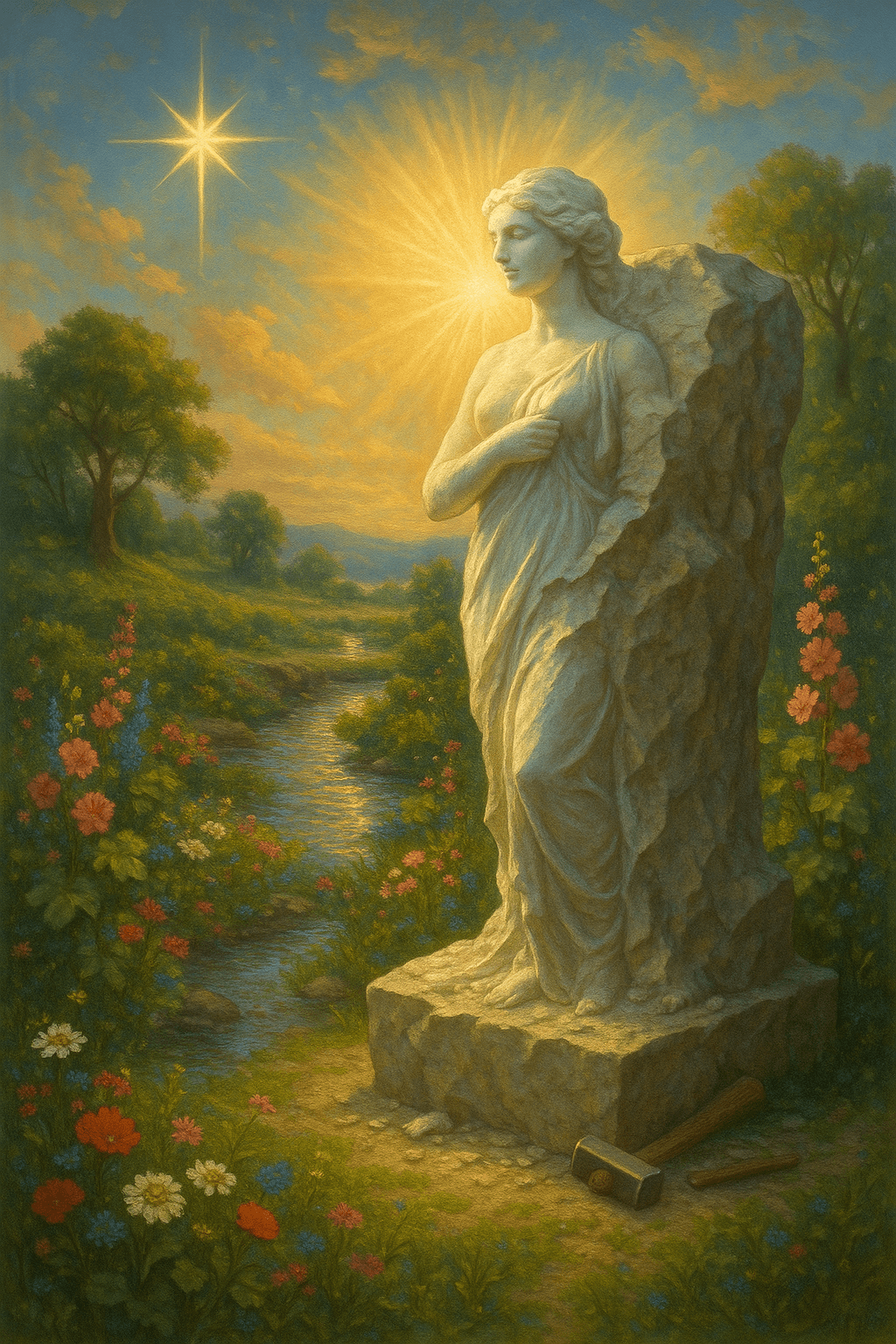
The idea of excellence is the guiding star of every true artist; it’s never too late to pursue it. — Isabel Allende
—What lingers after this line?
The Unwavering Ideal of Excellence
At the core of Isabel Allende’s assertion lies a potent conviction: excellence is not a fleeting ambition but an enduring guiding star for those devoted to their craft. True artists, she suggests, orient their journeys around this unwavering ideal, continually striving for the refinement and perfection that excellence represents. Through her own prolific career, Allende embodies this philosophy—her novels consistently characterized by meticulous language and emotional depth.
Historical Foundations in Creative Endeavor
Tracing the lineage of this pursuit, we see echoes in the Renaissance workshops, where masters like Leonardo da Vinci urged apprentices to labor ceaselessly toward mastery. Their commitment to excellence was not restricted by age or circumstance; rather, the process of artistic growth was approached as a lifelong calling. Thus, Allende’s words resonate with centuries of creative tradition, positioning excellence as an intergenerational aspiration.
The Inevitability of Late Beginnings
Transitioning from history to the individual journey, Allende offers reassurance that it is 'never too late' to pursue excellence. This sentiment is mirrored in the life stories of artists like Grandma Moses, who began painting in her 70s and gained worldwide acclaim for her folk art. Such narratives dismantle the myth that artistic achievement is bound to youth, reinforcing the belief that commitment to excellence grants artists permission to start—or restart—their pursuit at any stage.
Perseverance Amidst Setbacks and Doubt
Challenges and moments of self-doubt frequently accompany the creative process, yet the persistent pursuit of excellence lifts the artist above fleeting discouragement. Author J.K. Rowling’s initial rejections, for instance, were transformed by sustained effort and an unwavering vision for her work. In this way, Allende’s idea underscores the resilience required: excellence isn’t a destination, but an evolving target that renews motivation even in face of adversities.
Leaving a Legacy Through Lifelong Aspiration
Ultimately, the consistent pursuit of excellence is what enables artists to leave enduring legacies. Masterpieces, from Van Gogh’s sunflowers to the novels of Allende herself, are the products of relentless curiosity and an openness to growth. The idea that it is never too late to strive for such greatness not only inspires aspiring artists, but also elevates the collective standard of art across generations, ensuring the guiding star of excellence continues to shine.
One-minute reflection
What does this quote ask you to notice today?
Related Quotes
6 selectedMake good art. — Neil Gaiman
Neil Gaiman
At its simplest, Gaiman compresses an ethos into three words. In his 2012 University of the Arts (Philadelphia) commencement address, he repeats the refrain—“When things get tough, this is what you should do: Make good a...
Read full interpretation →Show up, show up, show up, and after a while the muse shows up, too. — Isabel Allende
Isabel Allende
Isabel Allende flips a common fantasy about creativity: that inspiration arrives first and then the work can begin. Instead, she suggests the reverse—your presence at the page, desk, or craft is what summons the muse.
Read full interpretation →We all have an unexpected reserve of strength inside that emerges when life puts us to the test. — Isabel Allende
Isabel Allende
Isabel Allende’s line begins with a quiet provocation: most people underestimate what they can carry. The “unexpected reserve” implies a kind of strength that isn’t visible in ordinary routines, because daily life rarely...
Read full interpretation →Turn memory into fuel and sail toward the life you imagine — Isabel Allende
Isabel Allende
Isabel Allende’s line reframes memory not as a museum of what’s gone, but as stored energy—something that can propel you forward if you learn how to use it. Instead of asking you to forget the past, she invites you to co...
Read full interpretation →Collect your setbacks and stack them into a stairway upward. — Isabel Allende
Isabel Allende
Isabel Allende’s line begins by denying setbacks the final word. Instead of treating disappointments as evidence of incapacity, she casts them as raw material—solid, stackable, and ultimately useful.
Read full interpretation →The one who seeks the truth runs the risk of finding it. - Isabel Allende
Isabel Allende
This quote highlights the idea that seeking the truth is a courageous and potentially perilous endeavor. It suggests that the journey to uncover the truth can lead to unexpected and sometimes unsettling discoveries.
Read full interpretation →More From Author
More from Isabel Allende →Show up, show up, show up, and after a while the muse shows up, too. — Isabel Allende
Isabel Allende flips a common fantasy about creativity: that inspiration arrives first and then the work can begin. Instead, she suggests the reverse—your presence at the page, desk, or craft is what summons the muse.
Read full interpretation →We all have an unexpected reserve of strength inside that emerges when life puts us to the test. — Isabel Allende
Isabel Allende’s line begins with a quiet provocation: most people underestimate what they can carry. The “unexpected reserve” implies a kind of strength that isn’t visible in ordinary routines, because daily life rarely...
Read full interpretation →Turn memory into fuel and sail toward the life you imagine — Isabel Allende
Isabel Allende’s line reframes memory not as a museum of what’s gone, but as stored energy—something that can propel you forward if you learn how to use it. Instead of asking you to forget the past, she invites you to co...
Read full interpretation →Collect your setbacks and stack them into a stairway upward. — Isabel Allende
Isabel Allende’s line begins by denying setbacks the final word. Instead of treating disappointments as evidence of incapacity, she casts them as raw material—solid, stackable, and ultimately useful.
Read full interpretation →