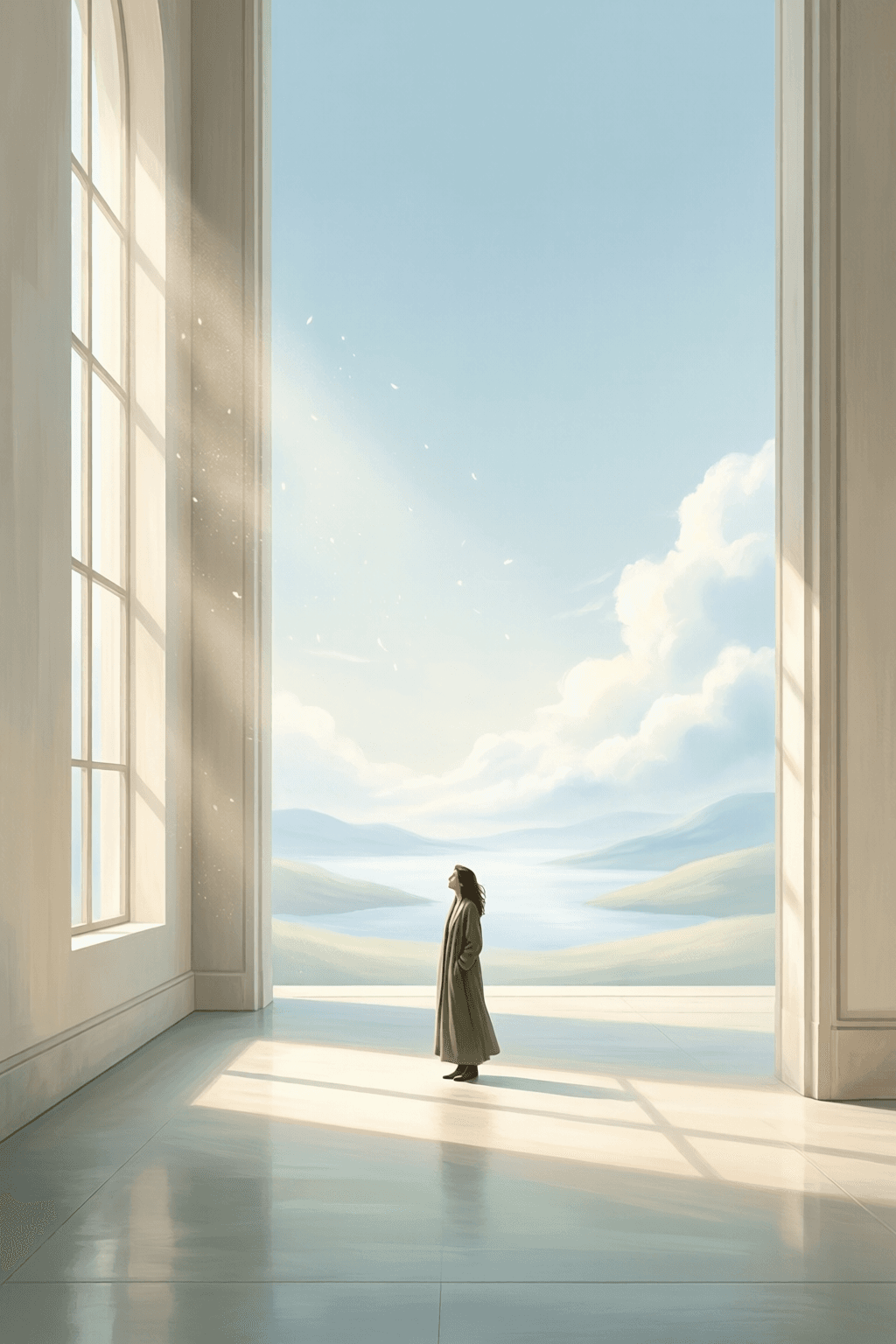
At its core, John Updike’s remark frames art not as luxury but as necessity. By calling it “space” and “breathing room,” he suggests that art gives the inner life a pause from pressure, noise, and obligation. In this view, paintings, poems, novels, and music do not merely decorate existence; they make it inhabitable.
This metaphor matters because breathing is automatic yet essential. Likewise, people may not always notice their need for art until life feels constricted. Updike’s phrasing implies that art opens an interior chamber where the spirit can recover itself, reminding us that nourishment is not only physical or practical but also emotional and imaginative. [...]