#Natural Order
Quotes tagged #Natural Order
Quotes: 12

Following Nature’s Order from Humans to Dao
Having established observable patterns, Laozi then points to their source: Heaven follows the Dao. Here the Dao is not merely “rules” or “laws,” but the generative way things arise, change, and return—an underlying coherence that gives Heaven its regularity without being a controlling deity. In the Daodejing, the Dao is famously elusive, described more as an ever-present process than an object one can possess. Accordingly, Heaven’s order is not ultimate; it is an expression. This shift keeps the reader from idolizing mere predictability or treating the cosmos like a machine. The regular cycles of Heaven are meaningful because they echo the Dao’s deeper movement—quiet, continuous, and not dependent on human recognition. From here, Laozi can make his most paradoxical claim about what the Dao itself “follows.” [...]
Created on: 2/7/2026

How Nature Achieves Everything Without Hurrying
If unhurried action can be effective, the next question is why hurrying feels so necessary. Often it’s driven by fear—of missing out, falling behind, or losing control. Yet haste commonly introduces friction: careless mistakes, strained relationships, and decision-making that favors speed over understanding. Over time, chronic rushing can also erode motivation and health, turning achievement into exhaustion. Lao Tzu’s observation implies a different metric: progress that is sustainable. Nature’s pace rarely produces burnout, and it rarely collapses from its own velocity; its steadiness is part of its strength. [...]
Created on: 1/26/2026

How Nature Achieves Everything Without Rushing
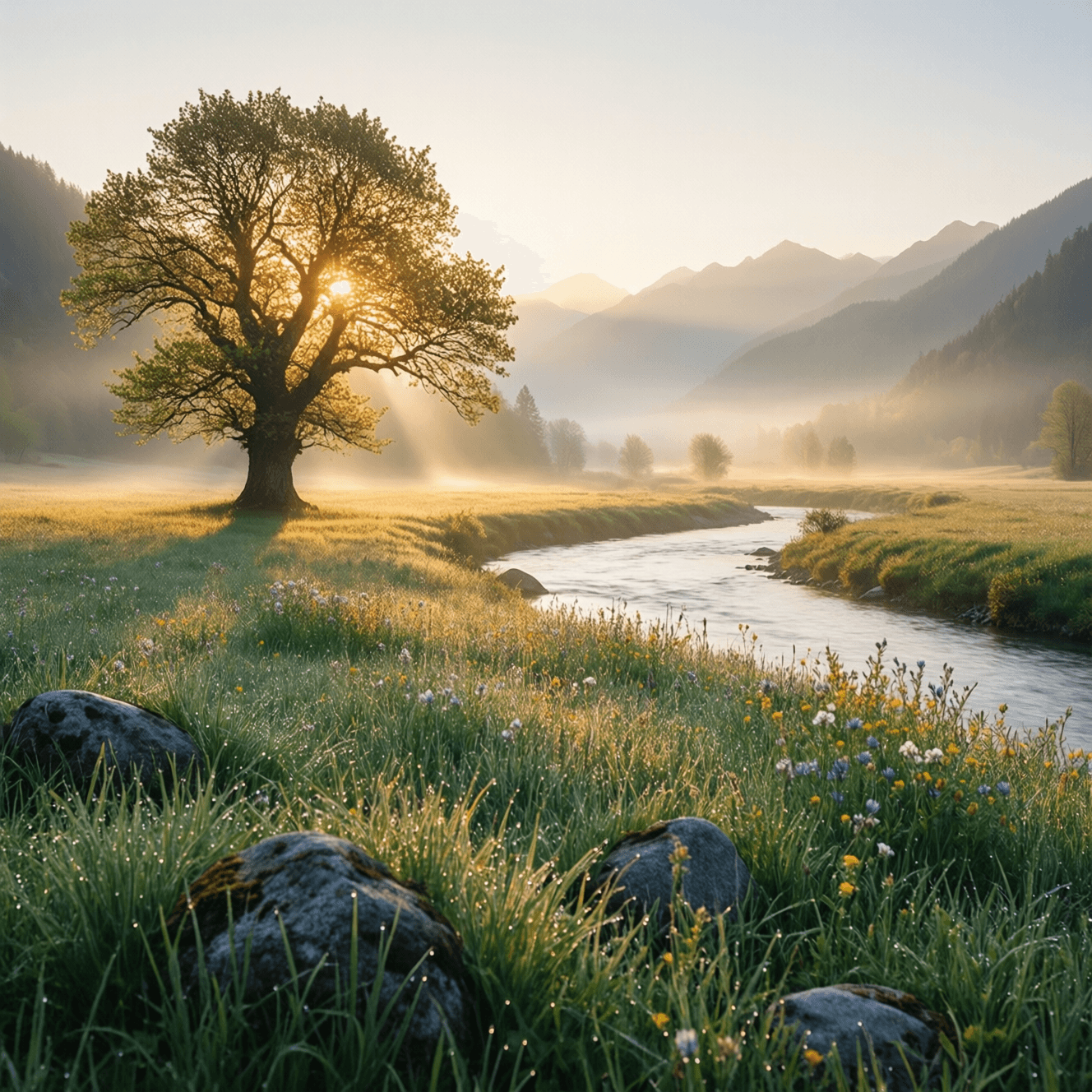
Building on that, nature’s accomplishments depend on rhythm: day and night, tides, migration, dormancy, and renewal. A fruit tree doesn’t “optimize” by fruiting year-round; it follows cycles that protect its long-term vitality. Likewise, ecosystems stabilize through feedback loops that require time, not speed. Seen this way, waiting is not a gap between achievements—it is often the achievement’s foundation. The quote encourages respect for incubation periods, whether that’s winter preparing soil biology for spring or a long drought reshaping a landscape’s balance. [...]
Created on: 1/23/2026

How Nature Achieves Everything Without Hurrying
Bringing the idea back to human life, hurry frequently produces the appearance of productivity while undermining the results—errors multiply, relationships fray, and decisions become reactive. Anyone who has rushed a project only to spend days repairing it knows this pattern: speed can borrow time from the future as “rework.” By contrast, when we adopt nature’s rhythm—setting a pace we can sustain, iterating patiently, and allowing feedback to shape the next step—progress becomes steadier. The quote’s promise that “everything is accomplished” reads less like magic and more like a disciplined alternative to frantic motion. [...]
Created on: 1/22/2026

Nature’s Unhurried Pace, Complete Achievement
If we carry the metaphor into everyday life, work can resemble cultivation more than combat. A writer drafts, rests, revises; an athlete trains in cycles; a team improves by iterating. Progress comes from repeated attention over time, not constant intensity. Lao Tzu’s calm confidence mirrors what many people discover when they stop sprinting and start building rhythms. Therefore, accomplishment becomes something you grow into rather than wrestle into existence. The focus shifts from “How fast can I finish?” to “What conditions make finishing inevitable?” [...]
Created on: 1/22/2026

Nature’s Unhurried Pace Still Gets Results
Building on that Taoist foundation, the quote echoes the principle of *wu wei*—often translated as “non-action,” but better understood as non-forcing. It doesn’t advise passivity; instead, it highlights a style of action that avoids unnecessary friction, like steering a boat with the current rather than rowing against it. In practical life, *wu wei* can look like choosing the moment when effort yields maximum effect. A gardener doesn’t shout seeds into sprouting; they prepare soil, water consistently, and let growth occur. The accomplishment is real, yet the method is patient—suggesting that the most reliable outcomes come from sustained, fitting inputs rather than frantic exertion. [...]
Created on: 1/20/2026

How Unhurried Nature Still Gets Everything Done
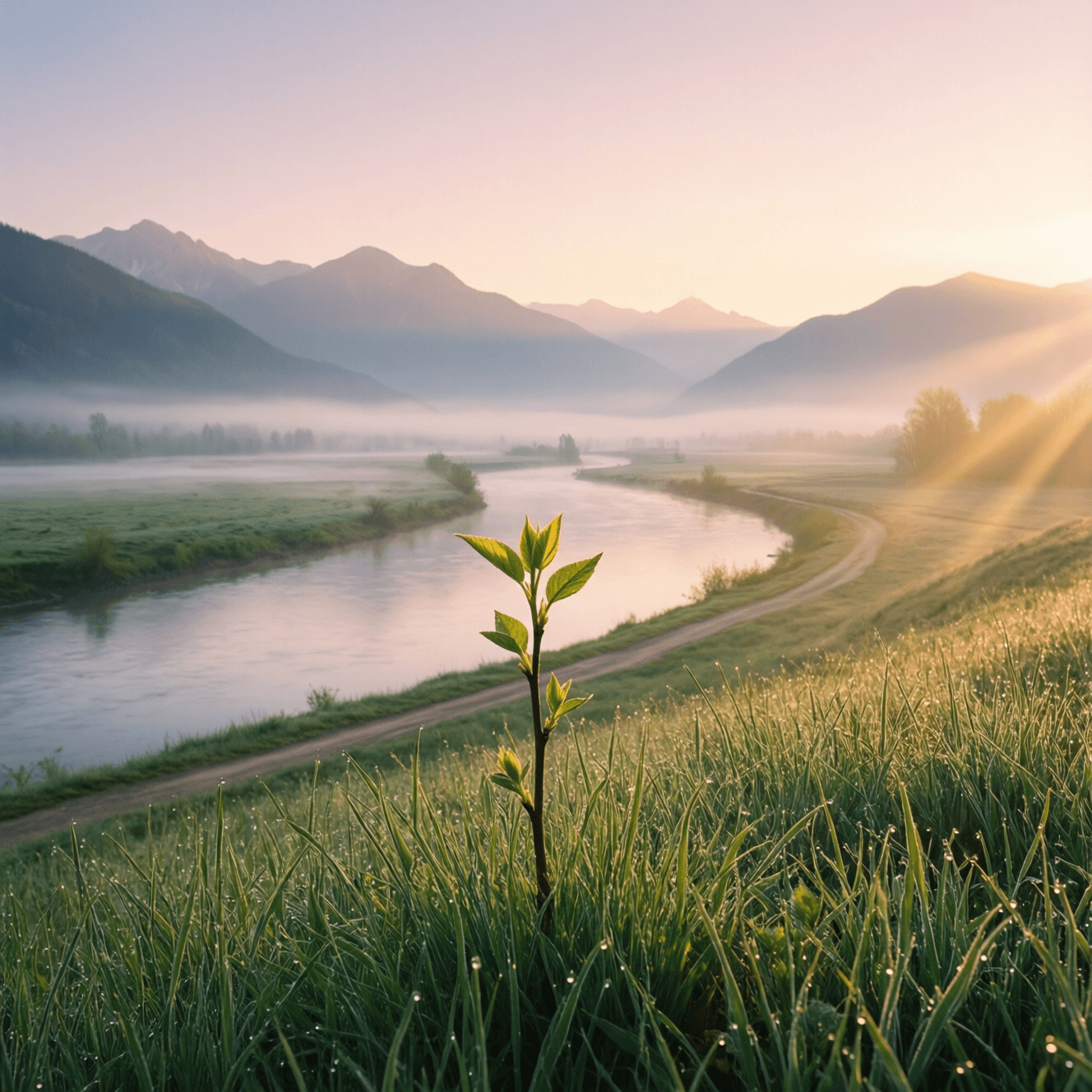
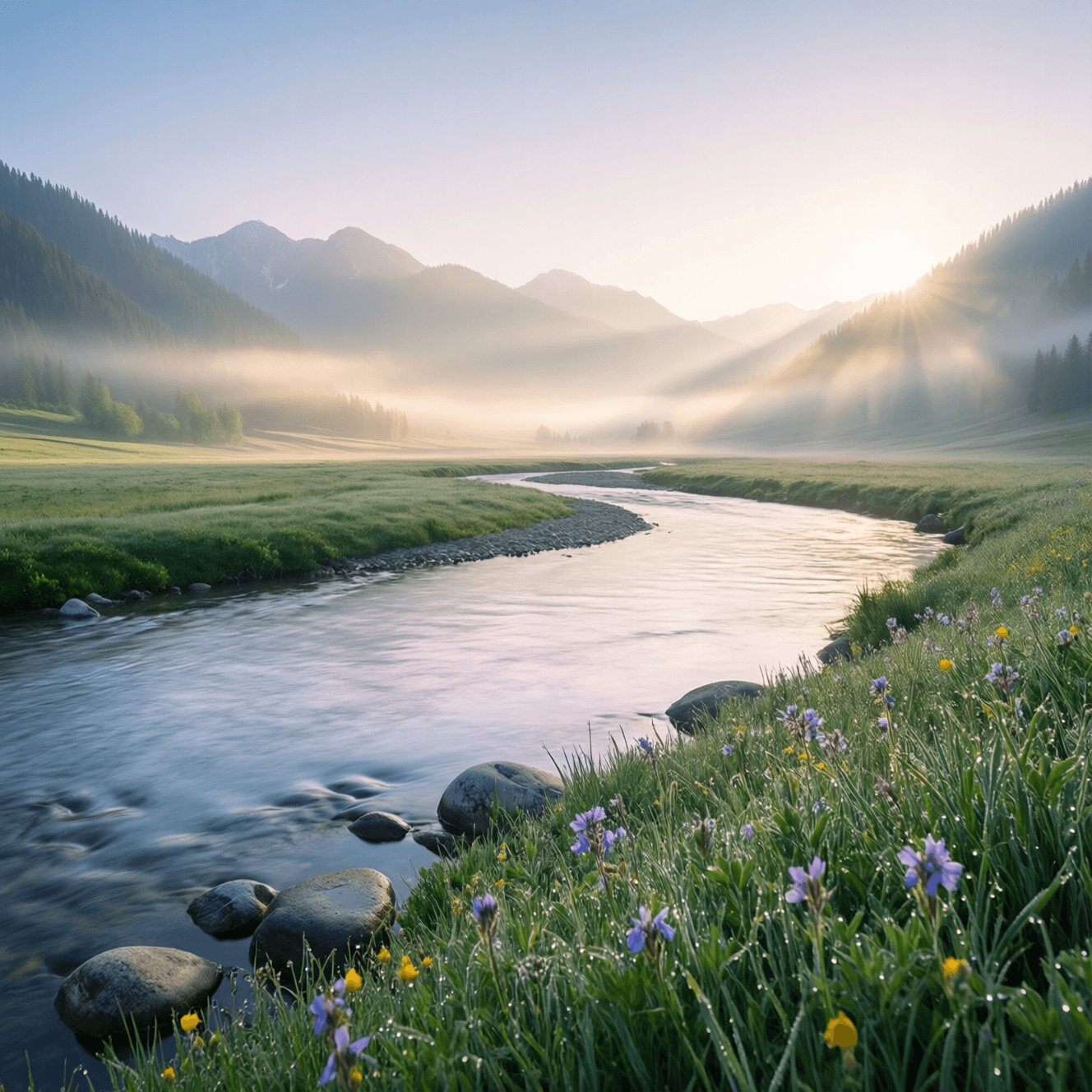
Lao Tzu’s line points to a paradox we notice the moment we step outside: forests grow, rivers carve valleys, and seasons turn without any visible rush. Nature rarely looks frantic, yet outcomes arrive with astonishing reliability—buds become fruit, tides return, and migrations complete. In that sense, accomplishment is not always the product of speed but of steady participation in a larger rhythm. From the start, the quote reframes productivity as something closer to inevitability than struggle. Instead of forcing results through urgency, Lao Tzu suggests that alignment with natural processes—timing, conditions, and gradual accumulation—can produce completion without strain. [...]
Created on: 1/20/2026