
Tags
#Relaxation
Quotes: 7
Quotes tagged #Relaxation

Why Relaxation Improves Everything You Do
At its heart, Stephen C. Paul’s quote argues that relaxation is not laziness but a higher state of effectiveness.
Created on: 7/17/2026

Finding Peace in Life’s Simple Pauses
At its heart, Michael B. Jordan’s reflection presents rest not as laziness, but as a vital form of release.
Created on: 6/11/2026

Calm Before Choice Brings Clearer Judgment
Paulo Coelho’s remark begins with a simple but powerful premise: important decisions are rarely improved by agitation. When the mind is tense, it tends to confuse urgency with clarity, pushing us toward choices made out...
Created on: 6/7/2026

The True Luxury of Feeling at Home
Billy Baldwin’s remark shifts the idea of luxury away from expensive objects and toward a deeply personal experience: ease. Rather than defining wealth by grand décor or rare materials, he suggests that true refinement a...
Created on: 5/13/2026

Relearning Rest to Clear the Mind
Thich Nhat Hanh frames resting and relaxing not as luxuries but as arts—skills that can be lost and recovered. In a culture that rewards constant activity, many people come to treat stillness as unproductive or even guil...
Created on: 2/21/2026
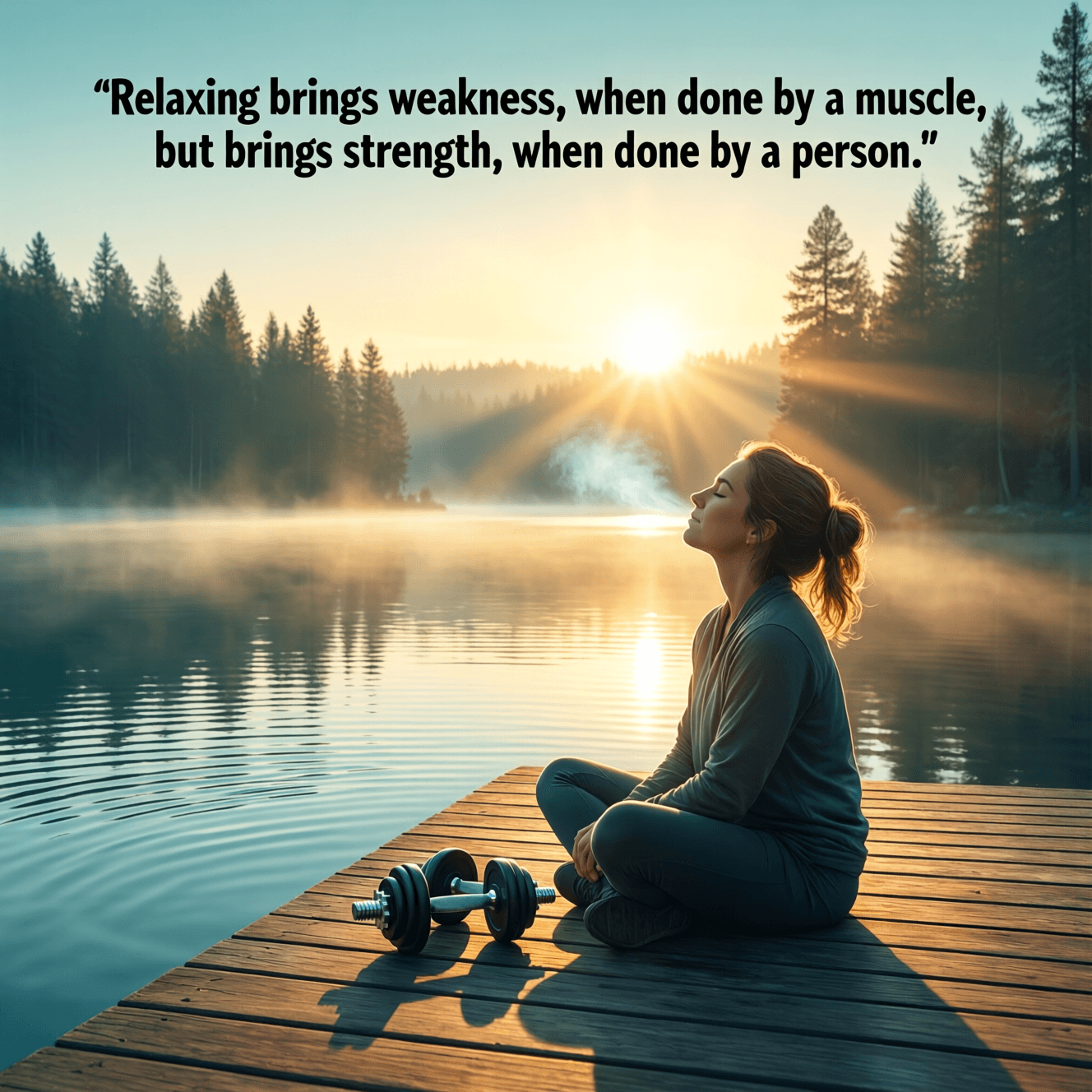
How Rest Weakens Muscles Yet Strengthens People
Mokokoma Mokhonoana frames relaxation as a paradox: the same act can degrade a muscle while renewing a person. The line works because it forces a distinction between a body part governed by simple use-and-adaptation rule...
Created on: 2/3/2026
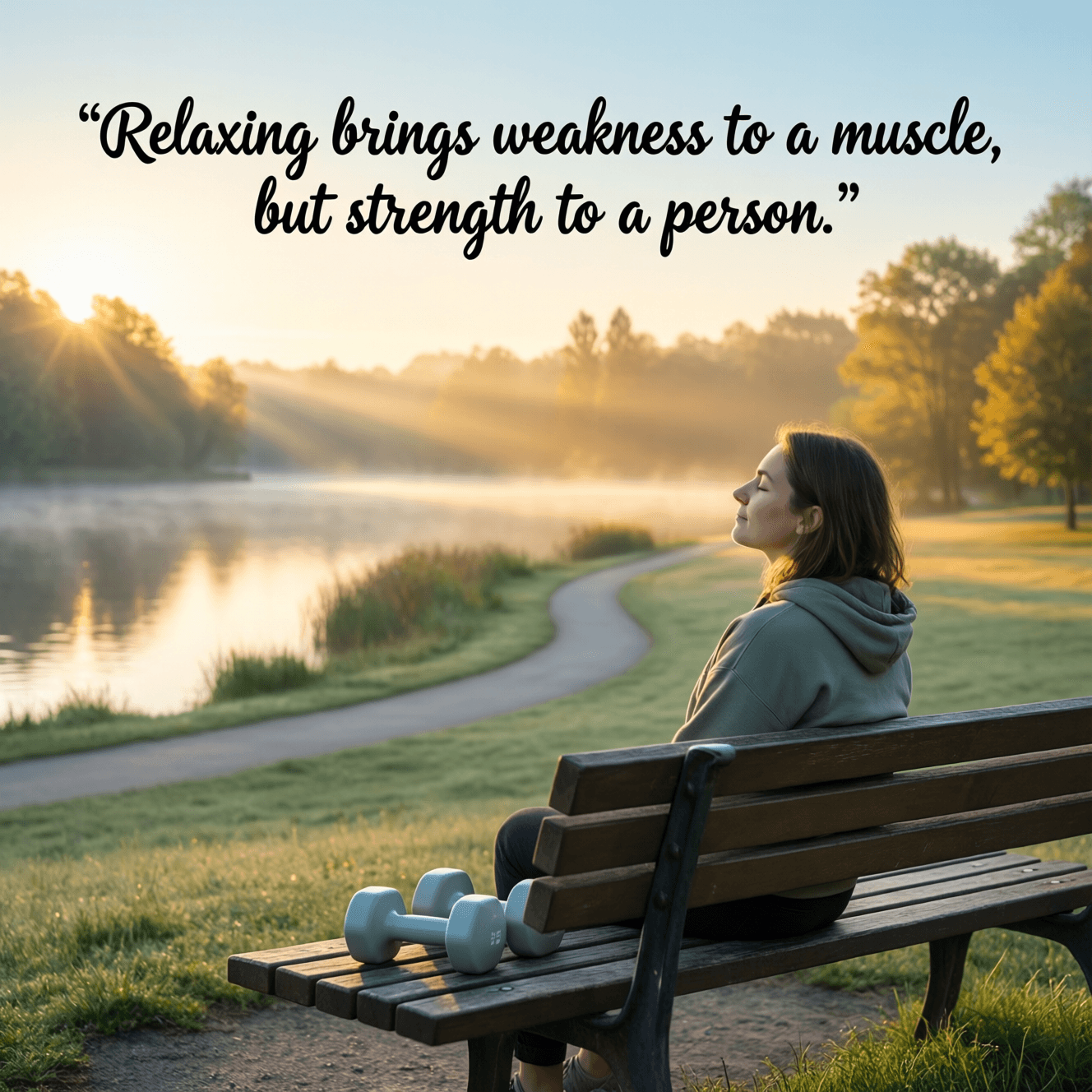
Relaxation Weakens Muscles, Strengthens the Self
Mokokoma Mokhonoana frames relaxation as a paradox: what looks like decline in one domain can be growth in another. A resting muscle may lose a bit of conditioning, yet the person behind the muscle can gain clarity, pati...
Created on: 1/19/2026