
Tags
#Self Limitation
Quotes: 2
Quotes tagged #Self Limitation

How Self-Created Limits Shape Your Life
Robin Sharma’s line reframes “boundaries” as something less like a fence in the world and more like a frame in the mind. What we often call limits—who we are, what we can do, what we deserve—can be stories we repeat unti...
Created on: 3/16/2026
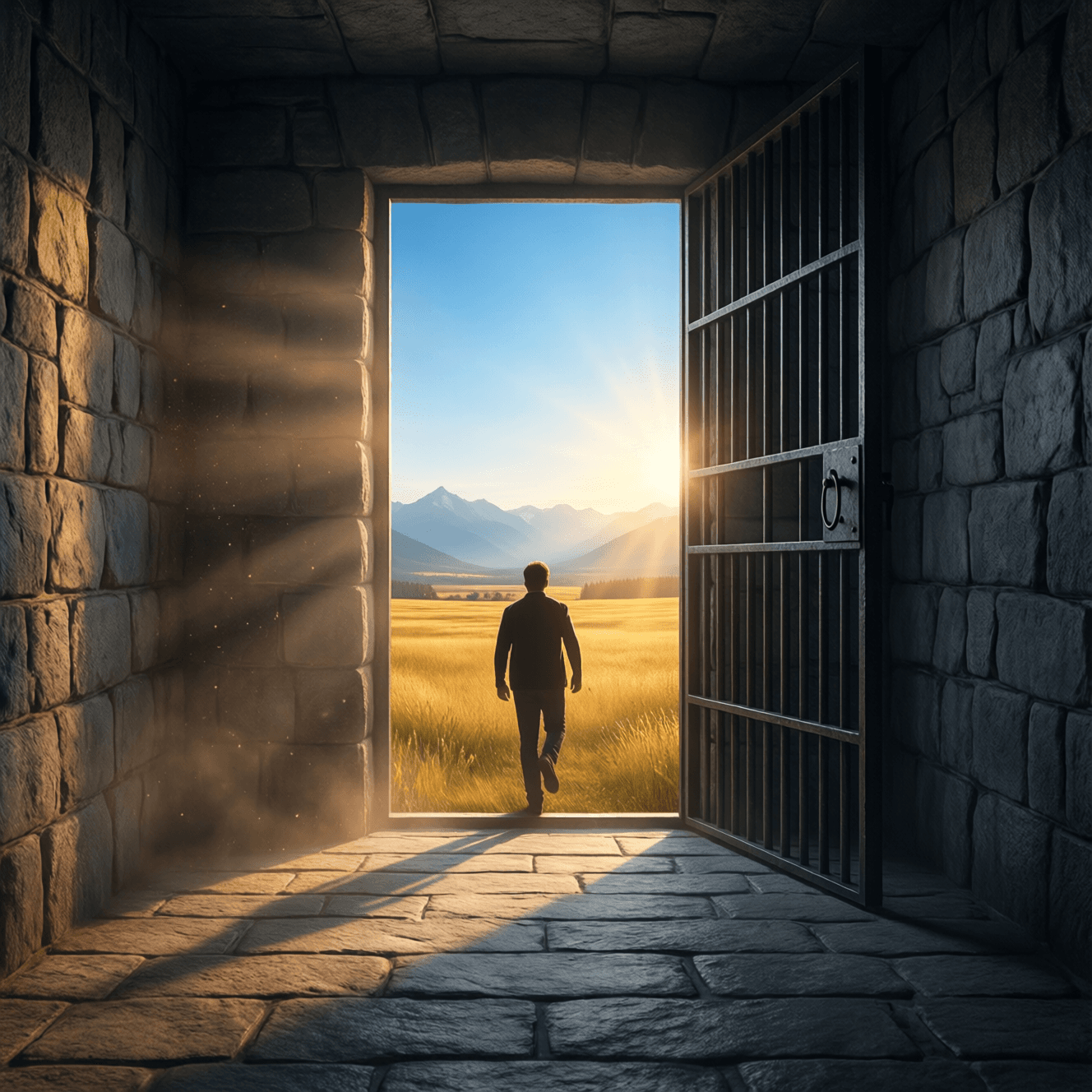
Choosing Freedom When the Door Stands Open
Rumi’s line, “Why do you stay in prison when the door is so wide open?” confronts the listener with an unsettling possibility: that confinement is not always imposed from outside. Instead of offering comfort, he offers a...
Created on: 3/5/2026