
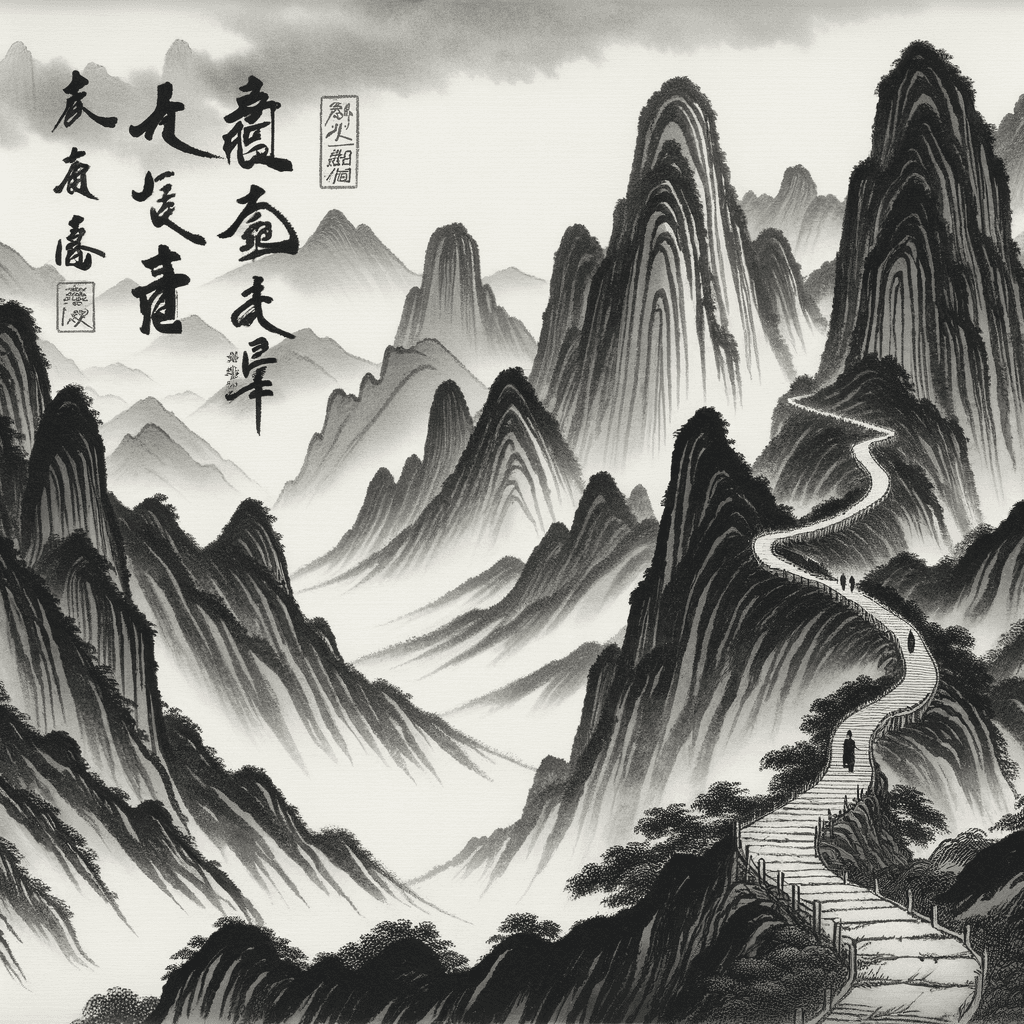
千里之行,始于足下。 - 老子
—读完这句,什么在心中回响?
Importance of Taking the First Step
This quote emphasizes the necessity of initiating action to achieve any significant goal. No matter how daunting a task might seem, the crucial first step is what sets the entire process in motion.
Progress Through Small Actions
It highlights that large achievements are built through small, consistent efforts. Breaking down a massive goal into manageable actions makes it more attainable.
Patience and Persistence
The quote underscores the value of patience and persistence in reaching long-term goals. Progress may be slow, but each step forward is important and contributes to the overall journey.
Philosophical Context
Laozi, an ancient Chinese philosopher, founded Daoism (Taoism). His teachings often explore the natural flow of life and the importance of humility, simplicity, and initiating correct actions.
Application in Modern Life
In contemporary contexts, this wisdom can be applied to personal development, career goals, education, and any area requiring long-term dedication. Starting with small actions can eventually lead to significant outcomes.
一分钟思考
这个想法在你现在的生活中体现在哪里?
相关名言
已选6条千里之行,始于足下。 - 老子
老子
这句话强调了任何伟大的旅程或目标,都是从最初的一个小步骤开始的。无论目标多么遥远或困难,只要迈出第一步,就开启了实现目标的旅程。
阅读完整解读 →千里之行,始于足下。 —— 老子
老子
这一句名言突出了任何伟大目标的实现都始于走出第一步。无论目标多么远大,都需要一点一滴地积累和推进。
阅读完整解读 →千里之行,始于足下。 - 老子
老子
这句名言强调了无论多么漫长的旅程,都必须从第一步开始。不管目标多么遥远,都需要迈出实际的第一步来实现。
阅读完整解读 →千里之行,始于足下。 - 老子
老子
这句名言强调了任何伟大的事业或目标,都需要从小的步骤开始。无论目标有多远大,每一步的开始都是至关重要的。
阅读完整解读 →千里之行,始于足下。——老子
老子
这句名言强调了任何伟大目标的实现都始于小小的行动。即使是千里的路程,也需要从迈出第一步开始。它激励人们要主动行动,而不是只是空谈理想。
阅读完整解读 →千里之行,始于足下。 - 老子
老子
这句名言表明了任何伟大的目标或成就都需要从小处着手,逐步推进。无论目标多么宏大,所有的成就都起始于第一步。
阅读完整解读 →更多作者内容
来自老子的更多内容 →大自然不急不躁,却完成了一切。——老子
“大自然不急不躁,却完成了一切”把一个看似矛盾的事实摆在眼前:最深的力量往往不以喧哗的方式出现。老子在《道德经》(约公元前4世纪)中反复强调“道法自然”,意指万物的生成与运行并不依赖外在催逼,而是遵循内在的秩序与节律。因而,这句话并非鼓励消极等待,而是提醒我们:真正的成就常来自顺势而为,而非焦虑驱动的强推。 顺着这一层意思看,自然之“完成”不是瞬间的爆发,而是长期的积累与连续的变化;它不抢跑,也不拖延,只是稳定地向前。
阅读完整解读 →大自然不急不躁,却完成了一切。——老子
“大自然不急不躁,却完成了一切” points to an apparently simple but demanding insight: the world’s most reliable productivity is not frantic. In this line attributed to Laozi and consistent with the tone of the Daoist classic *Dao De Ji...
阅读完整解读 →对于一颗宁静的心灵,整个宇宙都会臣服。——老子
老子这句话看似夸张,却是典型的“以柔克刚”的表达:真正的力量不必通过外在控制来证明,反而来自内在的稳定与不争。当一个人的心不被恐惧、欲望与比较牵引,他就不再被外界轻易左右,于是“宇宙臣服”更像是一种关系的翻转——不是世界变小,而是内心不再被世界推着走。由此,这句箴言把焦点从改变环境,转向安顿自身,为后面的修养路径奠定基调。
阅读完整解读 →大自然不急不躁,却无不成就。——老子
“大自然不急不躁,却无不成就”把力量从喧嚣中抽离出来,放回到时间与秩序本身:真正深远的成就,往往不是靠催逼和加速,而是靠持续的演化与积累。老子借“自然”说明一种看似缓慢却更可靠的推进方式——它不以人的焦虑为节拍,却最终抵达结果。于是,这句话首先不是劝人“慢一点”,而是在提醒:速度并不等于效率,焦躁也不等于行动力。
阅读完整解读 →