
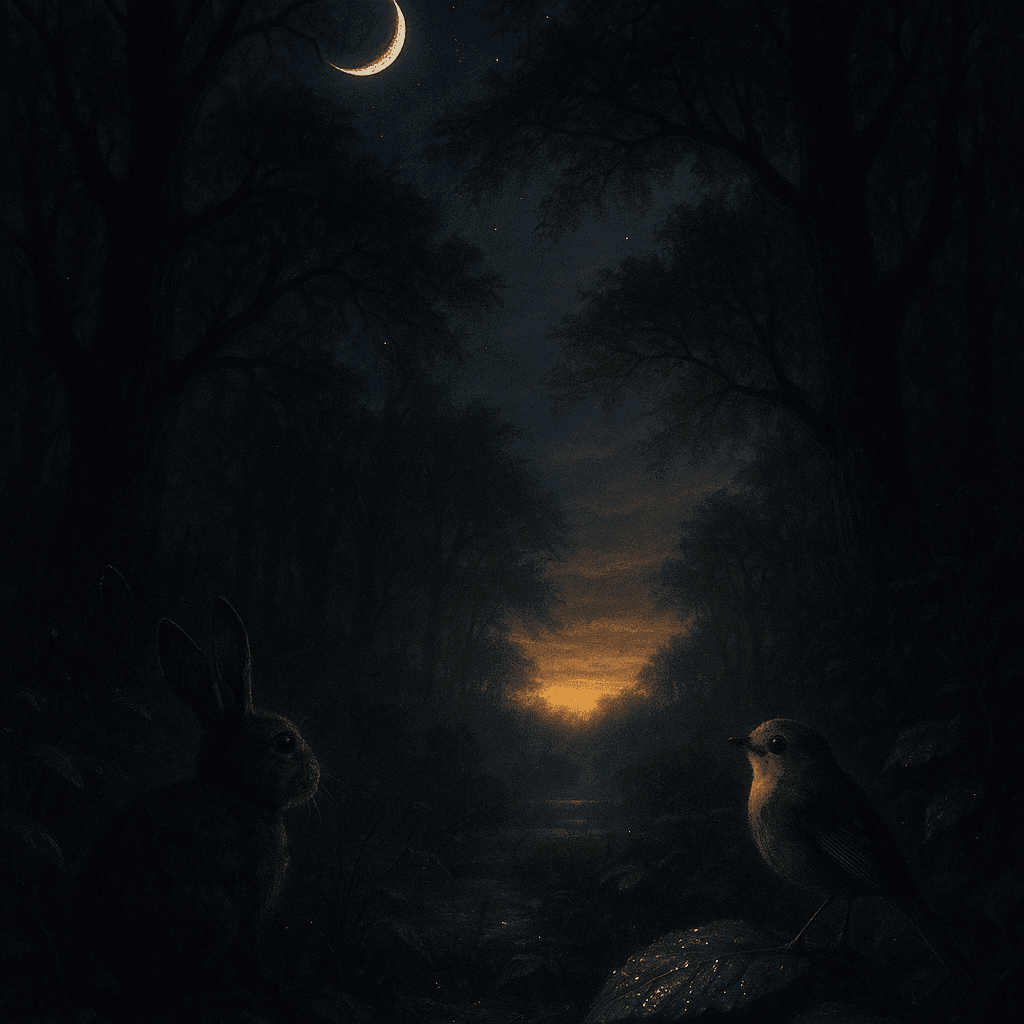
The darkest hour has only sixty minutes. — Morris Mandel
—What lingers after this line?
Facing Adversity with Perspective
Morris Mandel’s remark reminds us that even during our most difficult moments, hardship is temporary. Much like the literal darkest hour before dawn, emotional and psychological struggles eventually yield to brighter times. Embracing this reality helps individuals approach crises with resilience, knowing that pain has bounds—just sixty metaphorical minutes, so to speak.
The Symbolism of Time-Limited Suffering
This metaphorical hour encapsulates the finite nature of suffering. Throughout history, thinkers have used the passage of time as a symbol of hope. In Victor Hugo’s *Les Misérables* (1862), characters survive crushing despair, relying on the promise that their anguish won’t last forever. By recognizing the temporality of darkness, we’re invited to cultivate patience during trials.
Transitions in Nature and Human Experience
Nature itself models Mandel’s wisdom: the night always ends, giving way to sunrise. Similarly, people often undergo cyclical periods of sorrow and renewal. This connection links personal experience to universal rhythms, as seen in Elizabeth Kübler-Ross’s stages of grief, where periods of pain gradually shift toward acceptance and recovery.
Resilience Born from Endurance
Belief in the brevity of hardship fosters resilience. By framing challenges as momentary, individuals can conserve hope and energy rather than succumbing to despair. Holocaust survivor Viktor Frankl, in *Man’s Search for Meaning* (1946), recounts how prisoners who believed their misery had limits were more likely to survive—echoing Mandel’s message that enduring leads to liberation.
Moving Forward After the Darkness Lifts
Ultimately, Mandel’s insight encourages proactive optimism. Once the figurative sixty minutes have elapsed, a new day and new opportunities begin. By holding this perspective, people are propelled to keep moving forward, embracing the possibilities that emerge after surviving their darkest hours—proof that every trial contains its own conclusion and a seed of hope.
One-minute reflection
What's one small action this suggests?
Related Quotes
6 selectedThe darkest hour has only sixty minutes. — Morris Mandel
Morris Mandel
Morris Mandel’s quote isn’t just about time; it’s a metaphor for hardship. The phrase ‘darkest hour’ often signals our most trying periods, moments when hope seems absent and despair looms large.
Read full interpretation →The darkest hour has only sixty minutes. — Morris Mandel
Morris Mandel
Morris Mandel’s remark, 'The darkest hour has only sixty minutes,' serves as a reminder that even life’s most challenging moments are ultimately temporary. The phrase ‘darkest hour’ has long been a metaphor for periods o...
Read full interpretation →Just because your light flickers does not mean it is about to go out. — Yohancé Salimu
Yohancé Salimu
At first glance, Yohancé Salimu’s line separates appearance from reality. A flicker suggests instability, fatigue, or interruption, yet it does not automatically signal extinction.
Read full interpretation →Today's tears water tomorrow's gardens. — Matshona Dhliwayo
Matshona Dhliwayo
At first glance, Matshona Dhliwayo’s line transforms grief into something unexpectedly fertile. Tears, usually seen as signs of pain or loss, become water for a future garden, suggesting that suffering is not merely endu...
Read full interpretation →Hope is passion for the possible. — Søren Kierkegaard
Søren Kierkegaard
At first glance, Kierkegaard’s line transforms hope from a passive feeling into an active force. To call hope “passion for the possible” means that hope is not mere daydreaming; rather, it is an inward energy that leans...
Read full interpretation →A ship should not ride on a single anchor, nor life on a single hope. — Epictetus
Epictetus
At first glance, Epictetus turns a practical image into a moral lesson: a ship secured by only one anchor is vulnerable to shifting winds, rough tides, and hidden strain. In the same way, a life fastened to a single hope...
Read full interpretation →More From Author
More from Morris Mandel →The darkest hour has only sixty minutes. — Morris Mandel
Morris Mandel’s quote isn’t just about time; it’s a metaphor for hardship. The phrase ‘darkest hour’ often signals our most trying periods, moments when hope seems absent and despair looms large.
Read full interpretation →The darkest hour has only sixty minutes. — Morris Mandel
Morris Mandel’s remark, 'The darkest hour has only sixty minutes,' serves as a reminder that even life’s most challenging moments are ultimately temporary. The phrase ‘darkest hour’ has long been a metaphor for periods o...
Read full interpretation →