
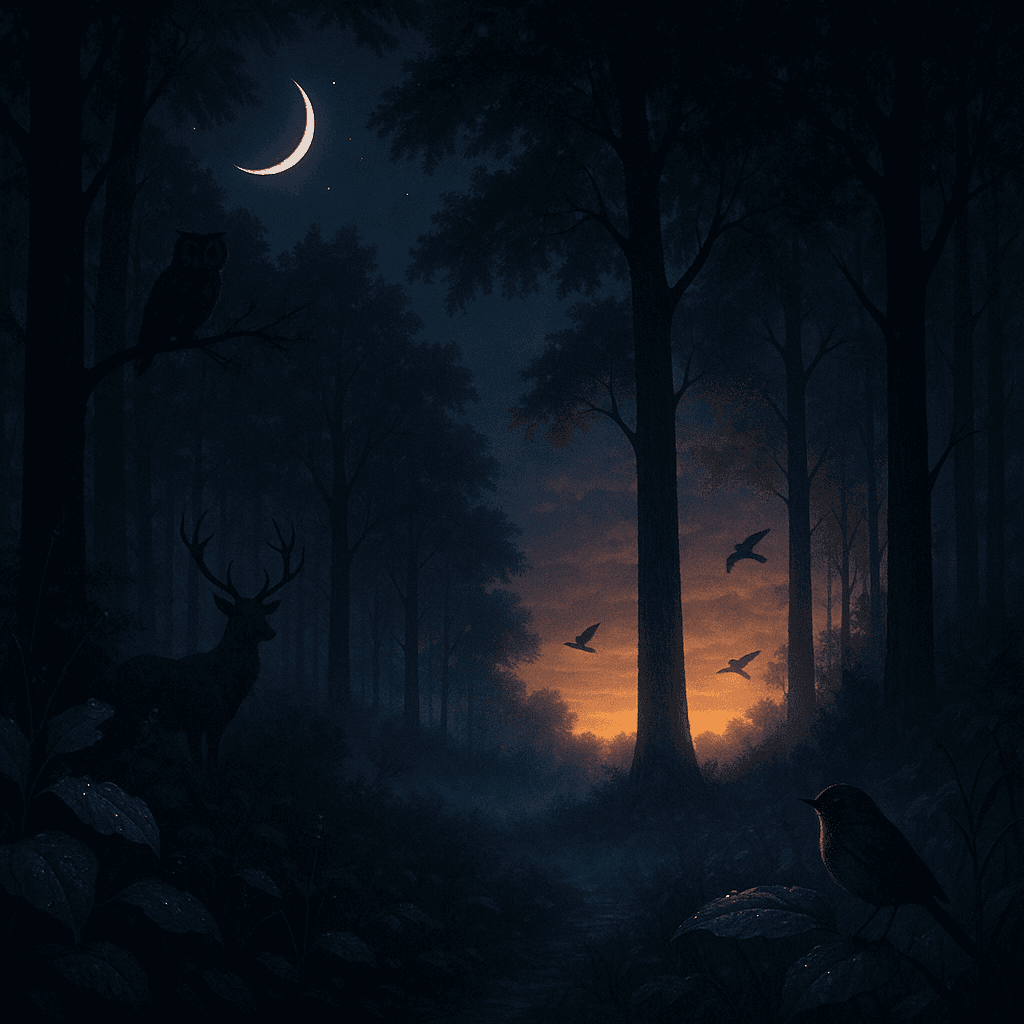
The darkest hour has only sixty minutes. — Morris Mandel
—What lingers after this line?
Understanding the Darkest Hour Metaphor
Morris Mandel’s quote isn’t just about time; it’s a metaphor for hardship. The phrase ‘darkest hour’ often signals our most trying periods, moments when hope seems absent and despair looms large. However, Mandel reminds us that these moments—however intense—are inherently finite. Like the literal darkest hour before dawn, adversity too is subject to the passage of time.
Temporal Limits to Suffering
Building on this, the specification of ‘sixty minutes’ underscores the idea that no trial is endless. It’s a comforting assertion: pain has boundaries just as a clock defines an hour. As seen in the historical resilience of communities during war or disaster, many have endured extraordinary anguish, yet those blocks of hardship eventually yielded to better days, as evidenced by the social rebuilding after major world wars.
Resilience Through Perspective
Transitioning from temporal boundaries, this concept offers a psychological tool: understanding suffering as temporary can cultivate resilience. Viktor Frankl, in his seminal work ‘Man’s Search for Meaning’ (1946), observed that those who saw purpose—and an end point—in their struggles were often best equipped to survive and recover, even under harrowing circumstances like concentration camps.
Hope as a Constant Companion
Moreover, the conviction that the darkest periods are limited helps nourish hope. This is reflected in literary classics—from Dickens’s ‘Great Expectations’ to Maya Angelou’s poetry—where protagonists anchor themselves in the belief that dawn inevitably follows night. Such hope is not naïve; it is a strategic choice to look beyond current pain.
Moving Forward With Renewed Strength
Finally, embracing Mandel’s insight allows us to approach difficult times with patience and composure. Knowing that every dark hour—however overwhelming—will pass, encourages endurance and fosters personal growth. In life’s cyclical journey, these assuring moments of clarity push us forward, inspiring us to seek the light that inevitably follows even the darkest clock-chime.
One-minute reflection
Why might this line matter today, not tomorrow?
Related Quotes
6 selectedThe darkest hour has only sixty minutes. — Morris Mandel
Morris Mandel
Morris Mandel’s remark reminds us that even during our most difficult moments, hardship is temporary. Much like the literal darkest hour before dawn, emotional and psychological struggles eventually yield to brighter tim...
Read full interpretation →The darkest hour has only sixty minutes. — Morris Mandel
Morris Mandel
Morris Mandel’s remark, 'The darkest hour has only sixty minutes,' serves as a reminder that even life’s most challenging moments are ultimately temporary. The phrase ‘darkest hour’ has long been a metaphor for periods o...
Read full interpretation →Just because your light flickers does not mean it is about to go out. — Yohancé Salimu
Yohancé Salimu
At first glance, Yohancé Salimu’s line separates appearance from reality. A flicker suggests instability, fatigue, or interruption, yet it does not automatically signal extinction.
Read full interpretation →When something in your life dies—whether it be a job, a hobby, or a dream—I encourage you not to focus on what could have been but instead to look for the new life and the new opportunities that result. — Ryan Hall
Ryan Hall
Ryan Hall frames loss as a kind of death, and that metaphor immediately broadens the quote beyond grief in the literal sense. A job can end, a cherished hobby can fade, and a long-held dream can collapse; yet in each cas...
Read full interpretation →Today's tears water tomorrow's gardens. — Matshona Dhliwayo
Matshona Dhliwayo
At first glance, Matshona Dhliwayo’s line transforms grief into something unexpectedly fertile. Tears, usually seen as signs of pain or loss, become water for a future garden, suggesting that suffering is not merely endu...
Read full interpretation →Dreams are made of sturdy stuff. — William Carlos Williams
William Carlos Williams
At first glance, William Carlos Williams’s line reverses a familiar assumption: dreams are often treated as airy, fleeting, and insubstantial, yet he insists they are made of “sturdy stuff.” In that compact phrase, he gi...
Read full interpretation →More From Author
More from Morris Mandel →The darkest hour has only sixty minutes. — Morris Mandel
Morris Mandel’s remark reminds us that even during our most difficult moments, hardship is temporary. Much like the literal darkest hour before dawn, emotional and psychological struggles eventually yield to brighter tim...
Read full interpretation →The darkest hour has only sixty minutes. — Morris Mandel
Morris Mandel’s remark, 'The darkest hour has only sixty minutes,' serves as a reminder that even life’s most challenging moments are ultimately temporary. The phrase ‘darkest hour’ has long been a metaphor for periods o...
Read full interpretation →