
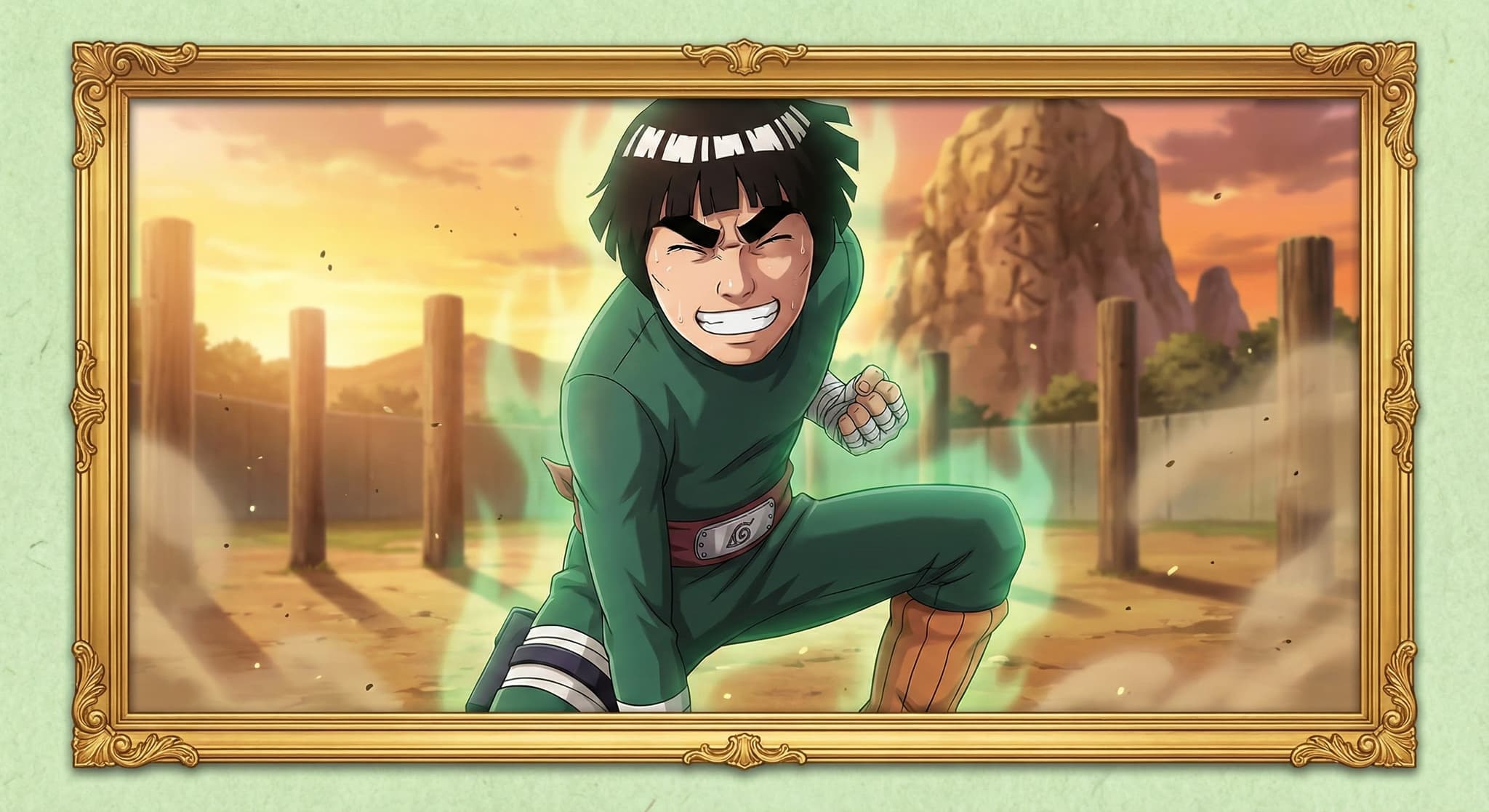
A smile can be the strongest punch of all. — Rock Lee, Naruto Series
—What lingers after this line?
Beyond Fists: What Rock Lee Really Means
Rock Lee’s line, “A smile can be the strongest punch of all,” reframes strength in a series famous for physical combat. While Naruto’s world overflows with jutsu, taijutsu, and spectacular battles, Lee points to something quieter yet just as impactful: emotional resilience. Instead of dismissing power as purely physical, his words suggest that a sincere smile can hit harder than any blow because it lands directly on the heart. In this way, the quote invites viewers to rethink what it means to “win” in life, shifting the focus from defeating others to uplifting them.
Emotional Resilience as an Invisible Strike
Moving deeper, the “punch” Lee describes is the shock of encountering joy where pain is expected. When someone smiles through hardship—not by denying suffering, but by refusing to be broken—it can stun observers more than aggression ever could. Psychologists describe this as resilience: the capacity to adapt positively in the face of adversity. Just as a well-timed punch can turn a battle, a resilient smile can turn a crisis into a turning point, signaling an inner strength that external blows cannot touch.
Rock Lee’s Story: Smiling Through Disadvantage
This idea gains weight when set against Lee’s own background in Naruto. Lacking talent for ninjutsu and genjutsu, he begins as an underdog mocked by peers. Yet, under Guy Sensei’s guidance, he trains relentlessly, often shown grinning even after brutal setbacks. His smile is not naïve; it is a deliberate response to discouragement. Each time he gets back up, that smile “hits” his opponents and friends alike, shaking their assumptions about what weakness and strength look like, and proving that willpower can rival natural genius.
How Kindness Disarms Others More Than Violence
Furthermore, a genuine smile can function like a nonviolent counterattack. Where hostility expects fear or anger, kindness introduces confusion and, eventually, reflection. Literary works from Victor Hugo’s *Les Misérables* to modern manga repeatedly show villains thrown off balance when met with compassion instead of revenge. Similarly, Lee’s smile operates as an emotional feint: it denies negativity the reaction it seeks, redirecting the entire interaction. In doing so, it often leaves a deeper mark than any physical confrontation could.
Inspiring Allies: The Ripple Effect of One Smile
Finally, the strongest “punch” of a smile appears in its ripple effect on others. In team-based stories like Naruto, one character’s determination often reignites morale across the group. Lee’s unwavering grin encourages teammates to stand back up, mirroring how encouragement in real life spreads through families, classrooms, and workplaces. Over time, this quiet influence can change decisions, restore hope, and reshape outcomes. Thus, the smile becomes more than a gesture; it is a catalyst, striking not once but again and again through everyone it inspires.
Recommended Reading
As an Amazon Associate, we earn from qualifying purchases.
One-minute reflection
Why might this line matter today, not tomorrow?
Related Quotes
6 selectedStrength comes from enduring the pain you thought would break you. — Tsunade, Naruto Series
Tsunade, Naruto Series
Tsunade’s words suggest that strength is not something we discover in comfort, but something hammered into shape in our most painful moments. What we once believed would destroy us instead becomes the very experience tha...
Read full interpretation →To love and lose is still better than never to have loved at all. — Tsunade, Naruto Series
Tsunade, Naruto Series
Tsunade’s line, echoing Lord Alfred Tennyson’s famous sentiment, distills a hard-won truth: love is so meaningful that its value survives even after it is gone. In the Naruto series, she speaks not as an idealistic roman...
Read full interpretation →A dropout will beat a genius through hard work. — Rock Lee, Naruto Series
Rock Lee, Naruto Series
Rock Lee’s declaration, “A dropout will beat a genius through hard work,” distills his entire character arc into a single credo. In the Naruto series, Lee is born without the innate talent for ninjutsu or genjutsu that d...
Read full interpretation →It is not he who reviles or strikes you who insults you, but your opinion that these things are insulting. — Epictetus
Epictetus
Epictetus flips the usual story of offense: the injury is not located in another person’s words or blows, but in the meaning we assign to them. By separating the event from our evaluation of it, he argues that what feels...
Read full interpretation →Everything is workable. We can use the difficult situations of our lives to awaken our hearts. — Pema Chödrön
Pema Chödrön
Pema Chödrön’s line begins with a disarming premise: “Everything is workable.” Rather than denying pain or insisting that problems are secretly pleasant, she proposes a practical confidence that even messy circumstances...
Read full interpretation →If they want to be wrong about you, let them. Save your energy for the things you can actually control. — Mel Robbins
Mel Robbins, United States.
Mel Robbins’ line begins with a counterintuitive permission: if someone insists on misunderstanding you, you don’t have to chase them. The deeper point isn’t indifference or defeat; it’s recognizing that your worth is no...
Read full interpretation →More From Author
More from Rock Lee, Naruto Series →