
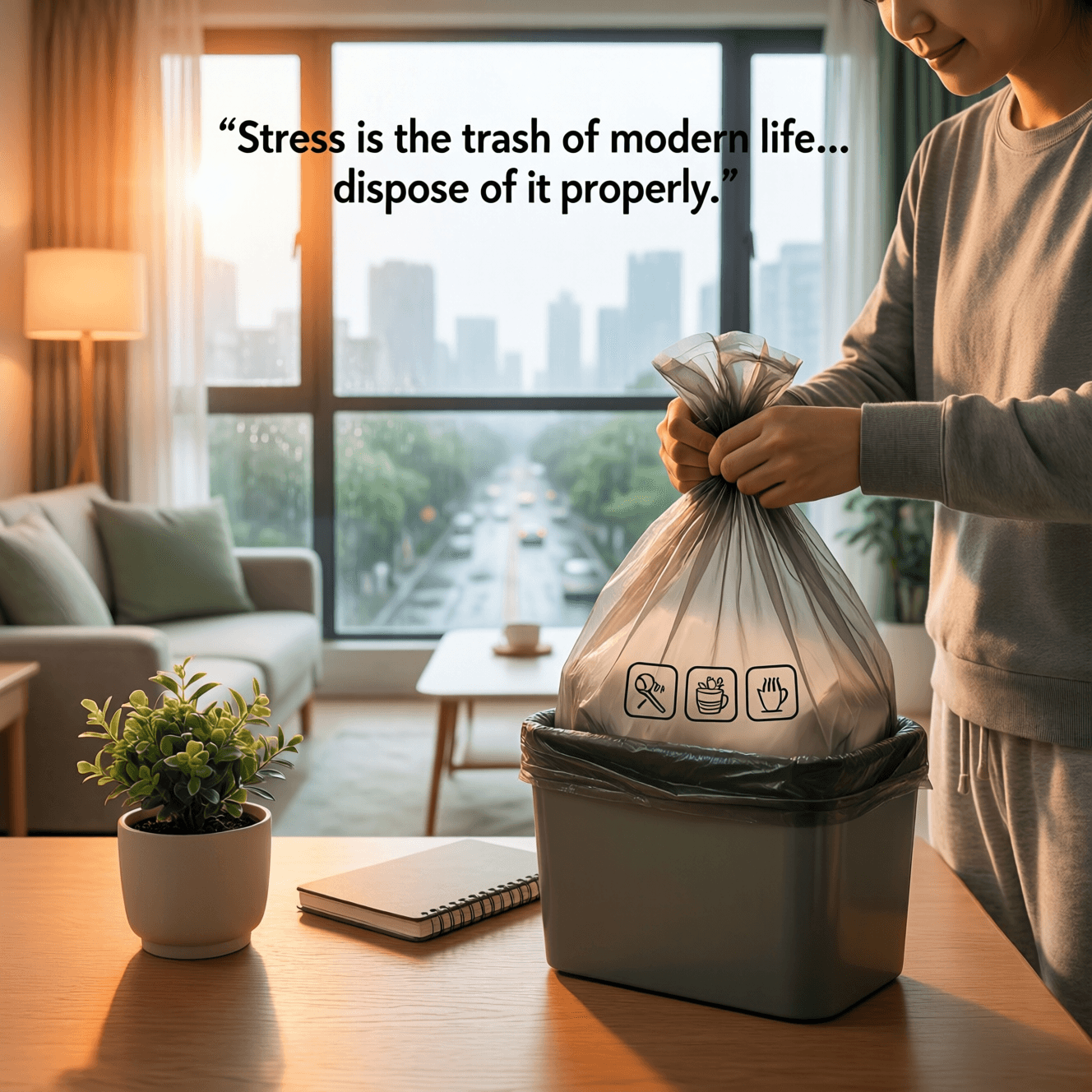
Stress is the trash of modern life. If you don't dispose of it properly, it will pile up. — Danzae Pace
—What lingers after this line?
A Modern Metaphor With Sharp Edges
Danzae Pace frames stress as “trash,” an image that immediately shifts stress from something mysterious and personal to something ordinary, inevitable, and manageable. Just as daily living produces waste, modern life produces pressures—deadlines, noise, comparison, uncertainty—that can’t be wished away. From there, the metaphor clarifies responsibility: trash isn’t shameful, but it does require handling. In the same way, stress is not proof of weakness; it’s a byproduct of living in a demanding world. The question is less “How do I eliminate stress?” and more “How do I deal with it routinely, before it spreads into everything?”
Why Stress Piles Up So Easily
The quote’s warning about stress “piling up” captures how small, unprocessed strains become cumulative. A tense commute, an unresolved conflict, and a late-night email may each seem minor, yet together they create a background load that changes how we think, sleep, and react. This accumulation often happens quietly because modern routines reward endurance. Many people postpone recovery until a weekend, a vacation, or “when things calm down,” but the calm period rarely arrives. As a result, stress behaves like unattended clutter: it gradually reduces mental space and makes every new problem feel heavier than it actually is.
Improper Disposal: The Hidden Leaks
If stress is trash, “improper disposal” points to coping strategies that remove the feeling briefly while leaving the underlying buildup intact. Overworking to outrun anxiety, scrolling to numb discomfort, or snapping at others to vent tension may provide momentary relief, yet they often create secondary messes—fatigue, guilt, damaged trust. In that sense, poor coping is like stuffing garbage into a closet: the room looks tidy until the smell escapes. The metaphor emphasizes that stress management isn’t only about reducing discomfort; it’s about preventing stress from seeping into relationships, health, and decision-making.
Healthy Disposal as Daily Maintenance
The most practical implication is that stress needs routine removal, not occasional rescue. Small, consistent practices—walking after work, journaling for five minutes, lifting weights, prayer or meditation, talking honestly with a friend—function like taking out the trash before it becomes overwhelming. Furthermore, healthy disposal includes processing, not just distraction. Naming what is stressful, deciding what can be changed, and grieving what cannot be changed are all forms of emotional sanitation. Over time, these habits make stress less sticky: it still appears, but it doesn’t linger as long or spread as far.
Boundaries: Reducing the Amount Produced
Even with perfect “disposal,” it also helps to generate less trash in the first place. That’s where boundaries come in: limiting after-hours work messages, declining commitments that don’t match priorities, and building buffers between tasks. These choices reduce the inflow of stressors so the system stays manageable. Importantly, boundaries can feel uncomfortable at first, especially in cultures that equate availability with value. Yet, just as a household changes when it buys less clutter, a life changes when it stops automatically accepting every demand. Pace’s metaphor gently argues that prevention and cleanup must work together.
When the Pile-Up Signals Deeper Repair
Finally, a trash pile can signal that something is broken: a missed pickup, a leaking bin, or too much waste for the current system. Likewise, persistent stress may indicate deeper issues—chronic overcommitment, financial insecurity, untreated anxiety, or a workplace that rewards burnout. In those cases, “disposing properly” may require more than self-care; it may mean therapy, medical support, a difficult conversation, or structural life changes. The quote doesn’t moralize stress—it normalizes it—while insisting that ignoring it is costly. Taken seriously, it becomes an argument for maintenance, honesty, and timely repair.
One-minute reflection
What does this quote ask you to notice today?
Related Quotes
4 selectedThe greatest weapon against stress is our ability to choose one thought over another. — William James
William James
This quote highlights the importance of mental control, suggesting that our thoughts are powerful tools that can influence our emotional state and help mitigate stress.
Read full interpretation →To be a champion, you have to learn to handle stress and pressure. — Johnny Weissmuller
Johnny Weissmuller
This quote highlights the importance of resilience in achieving success in sports. Champions face intense pressure and must develop the mental strength to navigate challenges effectively.
Read full interpretation →Keep your worries for another day. — Proverb
Proverb
This proverb encourages focusing on the present moment instead of dwelling on future uncertainties. It reminds us to enjoy today without letting anxiety about tomorrow overshadow it.
Read full interpretation →Limit your intake of negativity, it takes up too much space in your mind. — Unknown
Unknown
This quote emphasizes the importance of protecting your mental space by minimizing exposure to negativity, allowing clearer and more positive thoughts to thrive.
Read full interpretation →More From Author
More from Danzae Pace →