
No Matter How Long the Winter, Spring Is Sure to Follow – Proverb
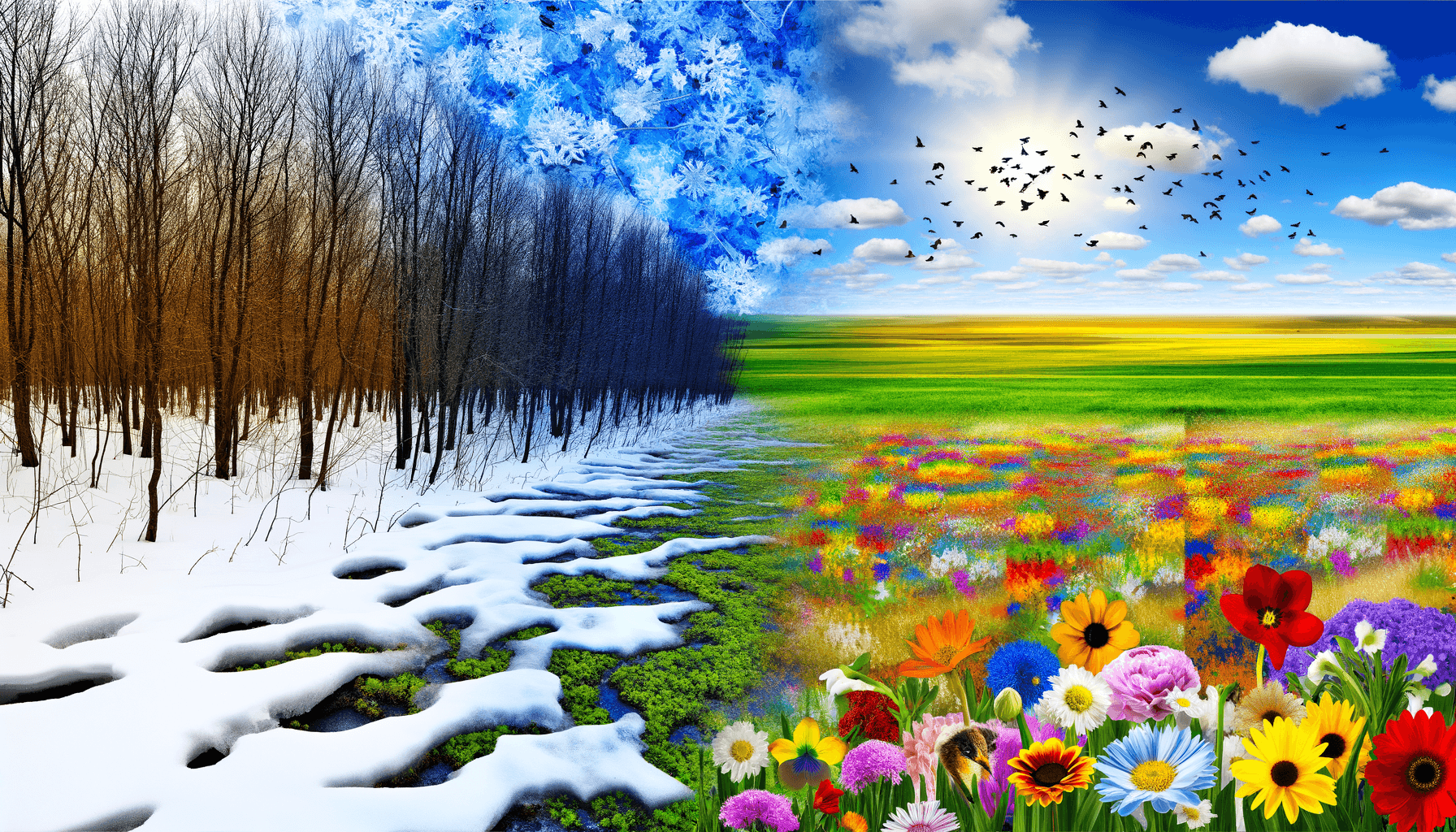
No matter how long the winter, spring is sure to follow. — Proverb
—What lingers after this line?
Hope and Optimism
This proverb emphasizes that difficult times do not last forever and that better days are certain to come, just as spring inevitably follows winter.
Natural Cycle as a Metaphor
It uses the changing seasons as a metaphor for the cycles of human life—where hardship and sorrow (winter) are followed by renewal and joy (spring).
Encouragement in Adversity
The saying offers comfort and encouragement to people going through struggles, reminding them that their current pain is temporary and will eventually be replaced by happiness.
Universal Truth
By drawing on a universally recognized natural phenomenon, the proverb conveys a timeless and relatable truth that resonates across cultures and generations.
Symbolism of Spring
In many cultures, spring symbolizes rebirth, hope, and new beginnings. This strengthens the message that no matter the duration of hardship, better times symbolized by 'spring' are inevitable.
Recommended Reading
As an Amazon Associate, we earn from qualifying purchases.
One-minute reflection
What does this quote ask you to notice today?
Related Quotes
6 selectedWinter always turns to spring. — Nichiren Daishonin
Nichiren Daishonin
Nichiren Daishonin’s line begins with a plain seasonal observation that carries immediate emotional weight: winter does not last forever. By choosing a cycle everyone recognizes, he frames change as dependable rather tha...
Read full interpretation →Just when the caterpillar thought the world was over, it became a butterfly. — Proverb
Proverb
This proverb highlights the concept of transformation. It suggests that periods of hardship or end may be prerequisites for personal growth and renewal.
Read full interpretation →In the heart of every winter lives a throbbing spring, and behind every night comes a smiling dawn. - Khalil Gibran
Kahlil Gibran
This quote emphasizes the idea of hope and renewal. It suggests that even in the darkest and coldest times (winter), there is always the promise of rejuvenation and warmth (spring).
Read full interpretation →In the heart of every winter lives a throbbing spring, and behind every night comes a smiling dawn. - Khalil Gibran
Kahlil Gibran
This quote suggests that even in our darkest and most challenging times (winter and night), there is always the promise of better days ahead (spring and dawn). It emphasizes the cyclical nature of life and the certainty...
Read full interpretation →In the heart of every winter lives a throbbing spring, and behind every night comes a smiling dawn. - Khalil Gibran
Kahlil Gibran
This quote conveys a message of hope and the inevitability of renewal. It suggests that even in the darkest and coldest times, there is the promise of warmth and light to come.
Read full interpretation →In the heart of every winter lives a throbbing spring, and behind every night, comes a smiling dawn. - Khalil Gibran
Kahlil Gibran
This quote emphasizes the natural cycles of the world, where harsh winters eventually give way to vibrant springs, and dark nights are always followed by bright mornings. It speaks to the inevitable rhythm and balance fo...
Read full interpretation →More From Author
More from Proverb →Your nervous system is a landscape, not a machine; it requires the soft rain of rest, not the constant lightning of urgency. — Proverb
The proverb begins by rejecting the idea that the nervous system is a simple machine with replaceable parts and predictable outputs. Instead, it frames the body as a landscape—complex, interconnected, and shaped over tim...
Read full interpretation →If you bring forth what is within you, what you bring forth will save you. If you do not, it will destroy you. — Proverb
The proverb frames self-expression as a decisive fork in the road: what lies within us is not neutral, and it will shape our fate one way or another. In this view, inner fears, desires, convictions, and gifts resemble a...
Read full interpretation →The world will provide you with a label if you are too lazy to define yourself. Pick your own name before someone else names you their tool. — Proverb
The proverb begins with a blunt warning: if you don’t articulate who you are, other people will do it for you. In everyday life, that labeling can be subtle—“quiet,” “difficult,” “gifted,” “unreliable”—but once applied,...
Read full interpretation →I am allowed to have limits. My needs matter too. I deserve moments of rest. — Proverb
The proverb begins with a simple but radical permission: you are allowed to have limits. In many families, workplaces, or cultures, saying “no” can be treated as selfishness, yet limits are often the very structure that...
Read full interpretation →