
Cultivating Meaning Through Purposeful Presence
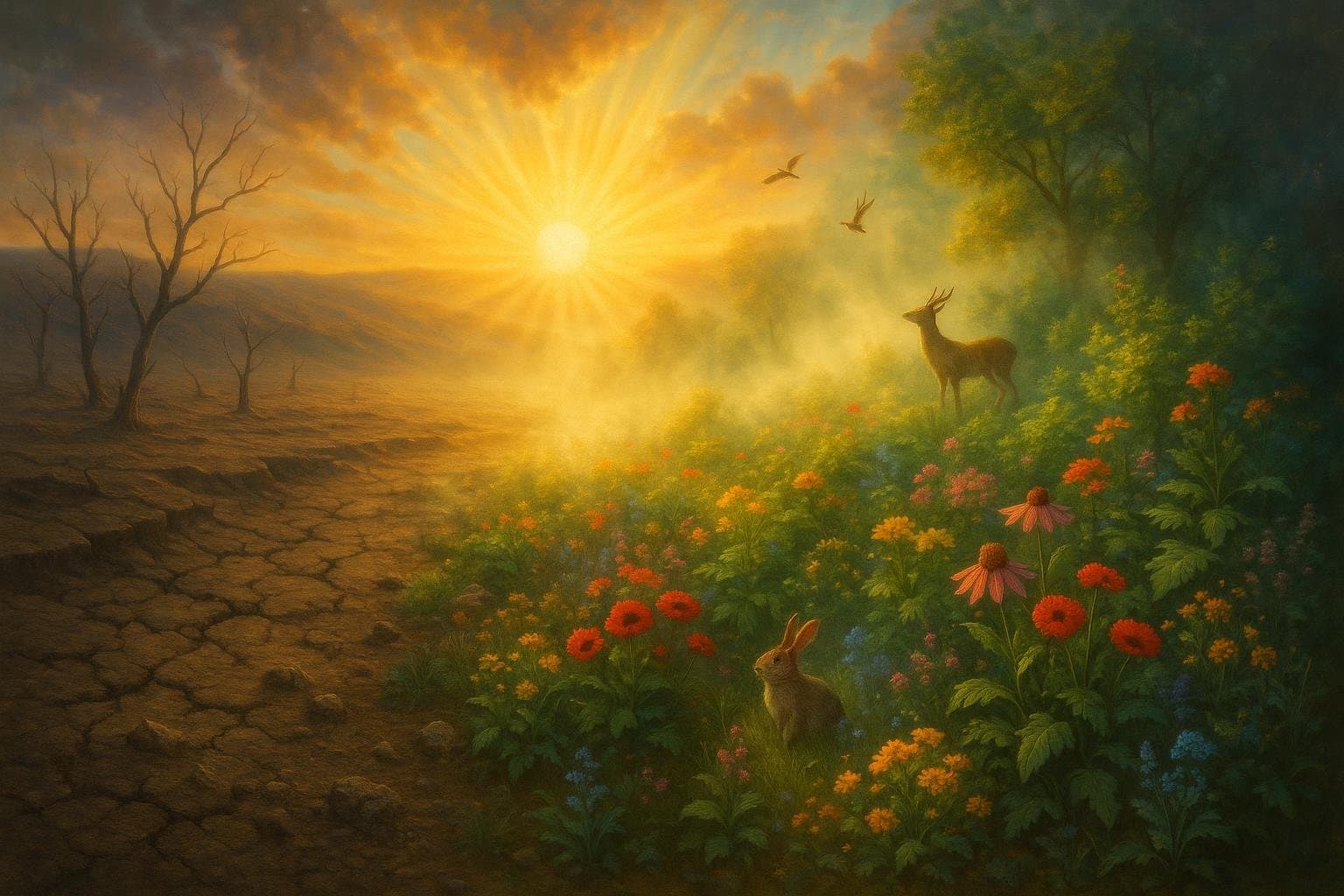
To infuse life with meaning, one must first breathe purpose into each moment. — Thich Nhat Hanh
—What lingers after this line?
The Essence of Mindful Living
Thich Nhat Hanh’s quote invites us to consider meaning not as an external gift, but as something cultivated through intentional presence. By urging us to 'breathe purpose into each moment,' he suggests that the search for meaning begins with awareness and conscious engagement, rather than passively waiting for significance to emerge.
Purpose as an Ongoing Creation
Building on this, meaning is presented as a process rather than a fixed destination. Rather than finding purpose waiting within life's big milestones, Hanh’s perspective echoes the teachings in Viktor Frankl’s *Man’s Search for Meaning* (1946), which asserts that individuals must actively shape their sense of purpose through daily choices and actions. Each instant becomes a canvas for intentionality.
Practical Mindfulness in Action
Transitioning from theory to practice, everyday routines gain depth when approached mindfully. Whether washing dishes or listening to a friend, infusing ordinary acts with purpose transforms them into meaningful experiences. Thich Nhat Hanh’s own monastic practice emphasizes simple activities, showing that presence and intention can enliven even the most routine moments.
Ripple Effects on Well-being
This mindful approach extends far beyond individual happiness. Research in positive psychology, such as studies by Martin Seligman (2002), finds that purposeful living correlates strongly with psychological well-being and resilience. When individuals root their days in meaning, even small actions foster a deeper sense of fulfillment and influence the communities around them.
Toward a Life of Continuous Renewal
Ultimately, making each moment purposeful does not demand grand gestures but rather a gentle, ongoing commitment. Just as each breath renews the body, each mindful act renews life’s sense of meaning. Thich Nhat Hanh’s wisdom urges us to engage repeatedly—with curiosity and care—so that life’s richness unfolds from moment to moment.
Recommended Reading
As an Amazon Associate, we earn from qualifying purchases.
One-minute reflection
What feeling does this quote bring up for you?
Related Quotes
6 selectedDrink your tea slowly and reverently, as if it is the axis of the world. — Thich Nhat Hanh
Thich Nhat Hanh
Thich Nhat Hanh’s invitation to drink tea “slowly and reverently” turns an ordinary act into a meditation. By calling tea “the axis of the world,” he suggests that the present moment—however small—can become the stable c...
Read full interpretation →Your presence is the most precious gift you can give to another. — Thich Nhat Hanh
Thich Nhat Hanh
Thich Nhat Hanh’s line shifts the idea of “gift” away from objects and toward attention. A present can be wrapped, but presence is offered moment by moment, and it cannot be replaced once time passes.
Read full interpretation →The most precious gift we can offer others is our presence. — Thich Nhat Hanh
Thich Nhat Hanh
Thich Nhat Hanh’s line quietly overturns a common assumption: that giving is mainly about objects, money, or impressive gestures. Instead, he points to something less tangible but more foundational—showing up with full a...
Read full interpretation →Breathe, notice, and let compassion guide the work your hands undertake. — Thich Nhat Hanh
Thich Nhat Hanh
Thich Nhat Hanh distills mindful living into a simple arc: breathe, notice, then let compassion shape what you do. We begin with the breath, the body’s steady metronome.
Read full interpretation →An intentional life embraces only the things that will add to the mission of significance. — John C. Maxwell
John C. Maxwell
John C. Maxwell’s line reframes life as a deliberate design rather than a default drift.
Read full interpretation →The most important, the primordial relationship in your life is your relationship with the Now. — Eckhart Tolle
Eckhart Tolle
Eckhart Tolle’s line shifts the idea of “relationship” away from a person and toward a lived condition: the quality of attention you bring to this moment. In that framing, the Now isn’t a background setting—it’s the part...
Read full interpretation →More From Author
More from Thich Nhat Hanh →We have to be careful not to spend our lives anticipating the next thing. — Thich Nhat Hanh
Thich Nhat Hanh’s warning points to a quiet but pervasive habit: living in the mental future. Anticipation can feel productive—planning, improving, preparing—but it can also become a way of postponing life itself.
Read full interpretation →We are so obsessed with doing that we have no time and no room left for being. — Thich Nhat Hanh
Thich Nhat Hanh’s remark points to a modern dilemma: busyness can become so normal that it feels virtuous, even when it quietly erodes our inner life. When our days are packed with tasks, notifications, and goals, “doing...
Read full interpretation →It is very important that we re-learn the art of resting and relaxing. It allows us to clear our minds. — Thich Nhat Hanh
Thich Nhat Hanh frames resting and relaxing not as luxuries but as arts—skills that can be lost and recovered. In a culture that rewards constant activity, many people come to treat stillness as unproductive or even guil...
Read full interpretation →The feeling that any task is a nuisance will soon disappear if it is done in mindfulness. — Thich Nhat Hanh
Thich Nhat Hanh begins with an everyday truth: much of our irritation comes not from the task itself, but from the label we attach to it. When we decide something is a nuisance—washing dishes, replying to emails, standin...
Read full interpretation →